Xi Jinping’s Washington Visit Puts U.S.-China Economic Strategy Under Global Scrutiny
Trade, technology and strategic competition shape a high-stakes effort to sustain direct dialogue between the world’s two largest economies.

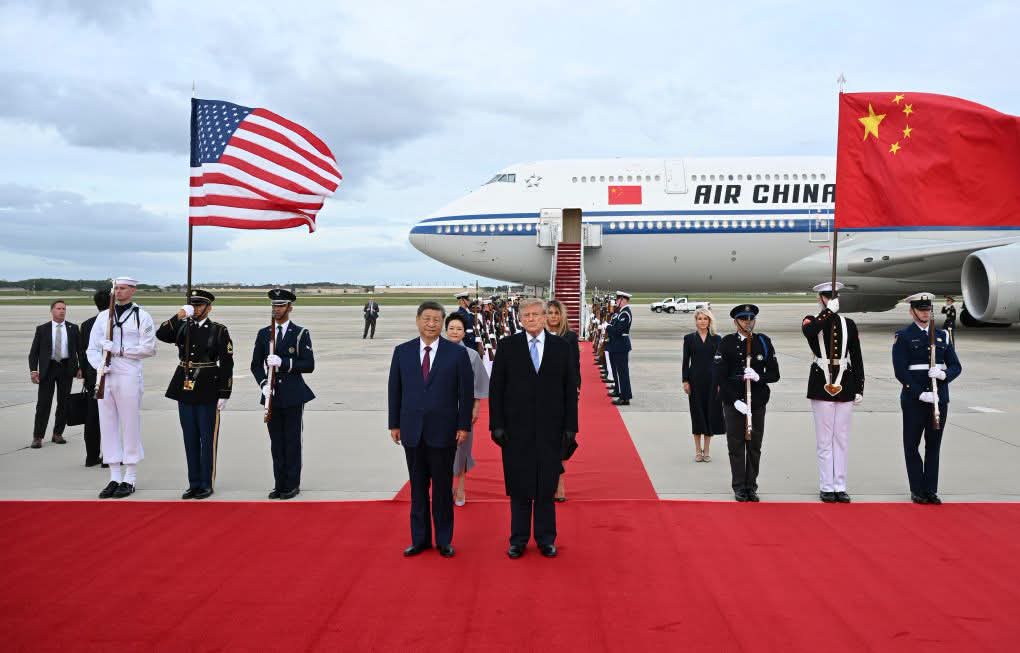
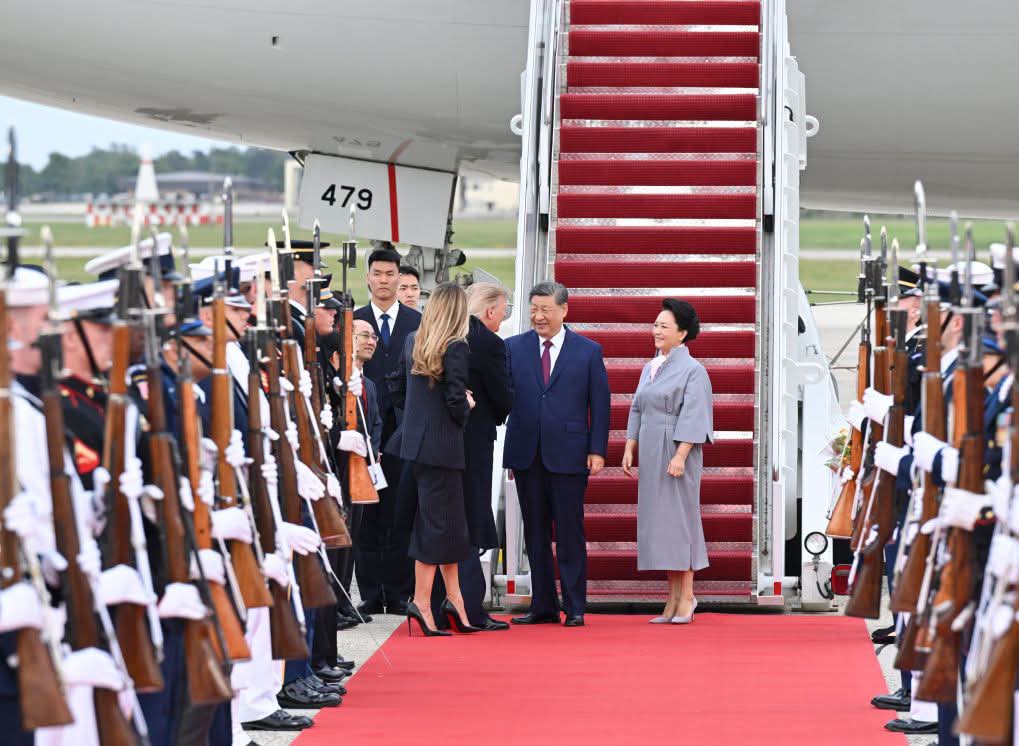
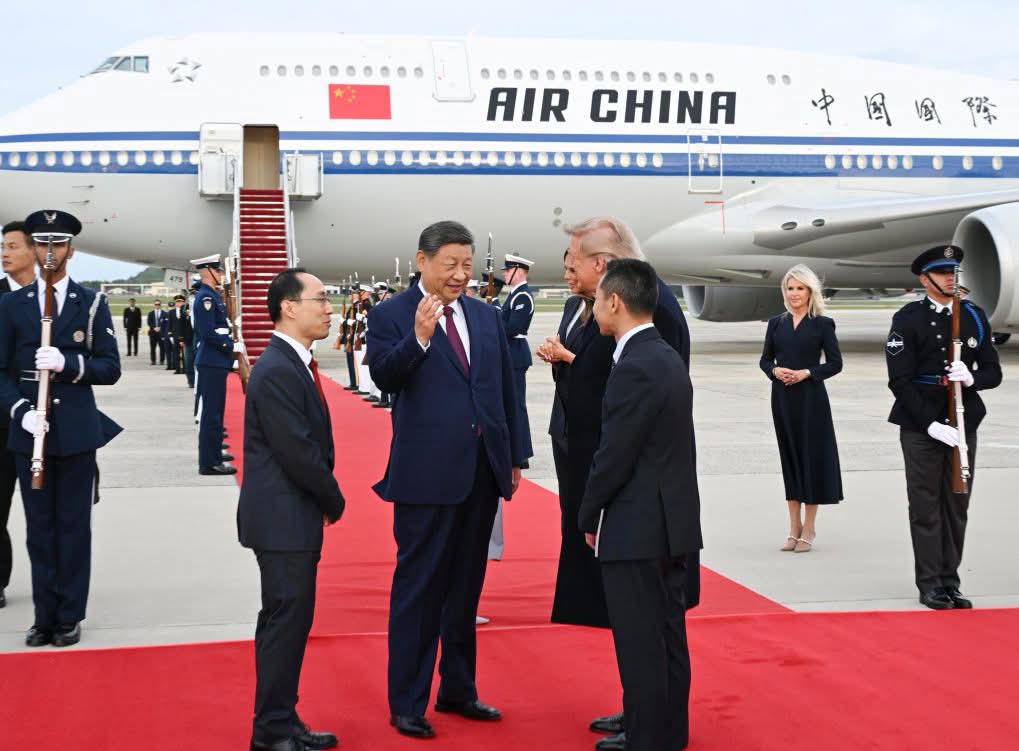
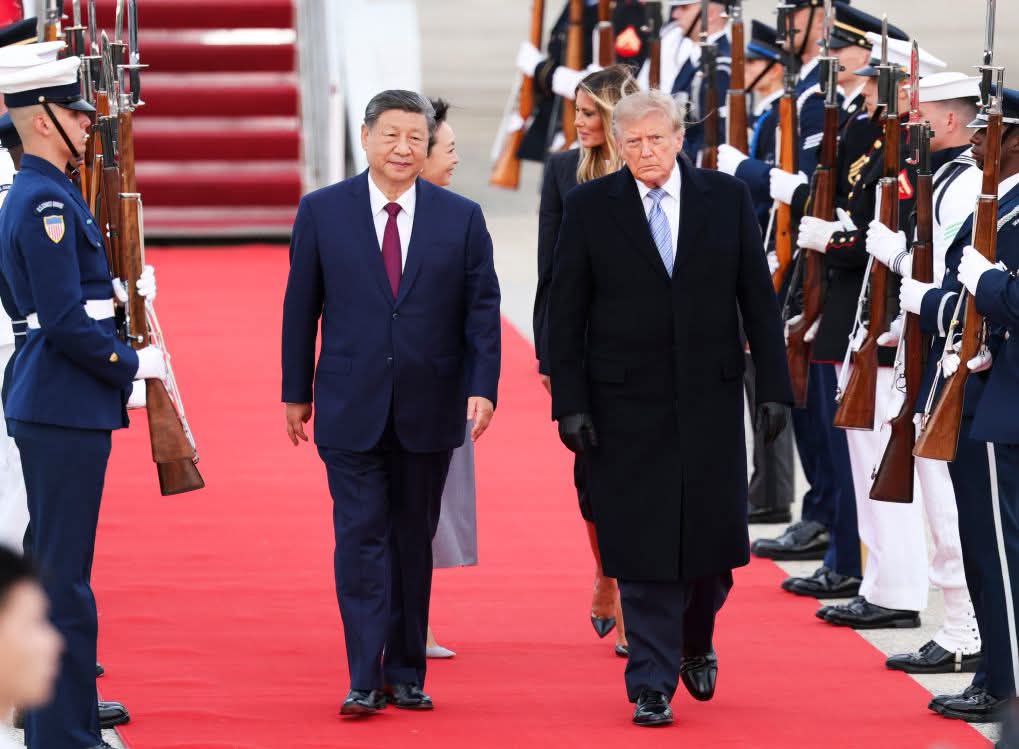
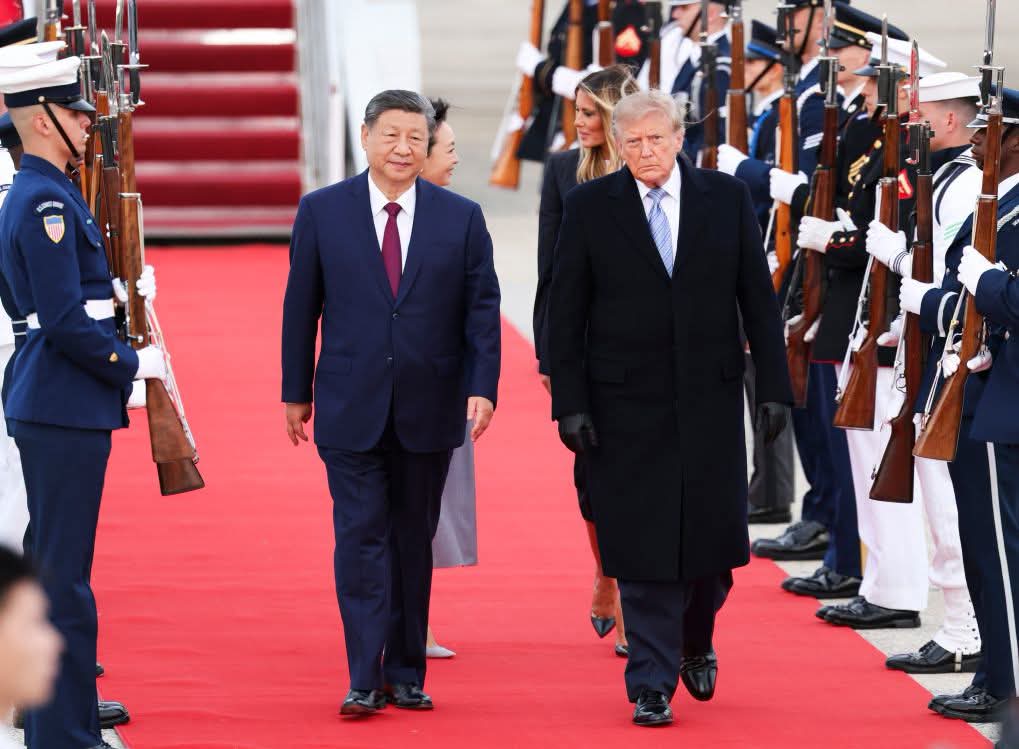
Chinese President Xi Jinping’s visit to Washington places the economic relationship between the United States and China at the heart of a broader strategic dialogue. While the meeting carries clear diplomatic significance, its implications extend well beyond government-to-government relations, particularly for companies operating across global trade and technology markets.
The two economies remain deeply connected despite years of tariffs, restrictions and disputes over market access. That interdependence creates a difficult balance for both governments: Washington and Beijing are competing over strategic industries and technological capabilities while continuing to rely on commercial links that have significant consequences for businesses, investors and supply chains.
Trade is therefore likely to remain a central component of the discussions. Questions surrounding tariffs, access to markets and the broader framework governing bilateral commerce can influence corporate investment decisions and the cost structure of companies exposed to cross-border trade. Any indication of a more stable economic relationship could affect business planning, while renewed tensions could reinforce efforts to diversify supply chains and reduce exposure to geopolitical risks.
Technology adds another layer to the relationship. The United States and China are competing for influence in strategic industries where technological capabilities increasingly overlap with national economic and security interests. Restrictions affecting technology and investment have consequently become part of a wider competition over industrial capacity, innovation and long-term economic influence.
The global environment surrounding the visit also complicates the economic picture. International tensions, including the conflict involving Iran, as well as broader questions about global trade and relations among major powers, make the U.S.-China relationship an important factor in the international business environment.
For companies and investors, the significance of the meeting lies not only in any immediate agreements but also in the signals it sends about the direction of bilateral relations. Direct communication between Washington and Beijing can provide a mechanism for managing disputes, even when fundamental differences remain unresolved.
The visit also carries implications for corporate strategy. Multinational companies must increasingly assess geopolitical considerations alongside traditional commercial factors such as demand, costs and market access. The trajectory of U.S.-China relations can influence decisions involving manufacturing, technology investment, sourcing and international expansion.
Ultimately, the Washington meeting represents another attempt to keep dialogue open between two economic powers whose relationship combines cooperation, competition and strategic rivalry. Its longer-term importance will depend on whether the talks produce greater predictability in trade and technology relations or reinforce the uncertainty that has increasingly shaped corporate planning in both markets.
News You Should See
2026 Nobel Medicine Prize Honors Scientists Behind Optogenetics Breakthrough
Oil Prices Edge Lower as Stronger Middle East Exports and G7 Reserves Ease Supply Concerns
Trump Offers U.S. Assistance to Russia After Death at Siberian Plague Research Institute
Trump Takes Economic Message to Nebraska as GOP Faces Rising Cost-of-Living Pressure
U.S. Appeals Court Weighs Trump Administration’s $2.6 Billion Harvard Funding Fight
U.S. Midterm Elections Begin With Resilient Jobs Market and Persistent Cost Pressures
Latest News
The 2026 Nobel Prize in Physiology or Medicine honors Karl Deisseroth, Peter Hegemann and Georg Nagel for pioneering research behind optogenetics and its impact on neuroscience.
Oil prices edged lower as stronger Middle Eastern exports and a planned G7 release of 100 million barrels eased immediate supply concerns, while Gulf security risks and the Strait of Hormuz kept markets alert.
President Donald Trump said the United States would help Russia if needed after a laboratory worker died at a Siberian plague research institute, as Russian authorities imposed precautionary quarantine measures.
Trump’s Nebraska campaign stop highlights rising fuel and grocery costs, beef prices and growing economic pressure on Republicans ahead of the November midterm elections.
A U.S. appeals court is reviewing the Trump administration’s effort to cut Harvard’s federal research funding, with more than $2.6 billion at stake.
The U.S. enters the 2026 midterm elections with unemployment at 4.2%, while higher living and energy costs create economic pressure for households and businesses.
US services growth eased in September as input prices climbed to their highest level since July 2022, with fuel costs, supply-chain disruptions and strong demand increasing pressure on businesses.
Rising Treasury yields are increasing U.S. borrowing costs as Washington manages record debt, persistent inflation and strong economic demand, narrowing its policy options.
A EGP 16 million corporate partnership will establish and equip a bone marrow transplant unit at Cairo’s Coptic Hospital, supporting access to specialized treatment for patients.