World Cup Final Goalkeepers Under the Spotlight as Spain and Argentina Prepare for Tactical Duel
Unai Simon and Emiliano Martinez bring contrasting goalkeeping philosophies into the FIFA World Cup 2026 final, where defensive organization meets decisive shot-stopping on football's biggest stage.

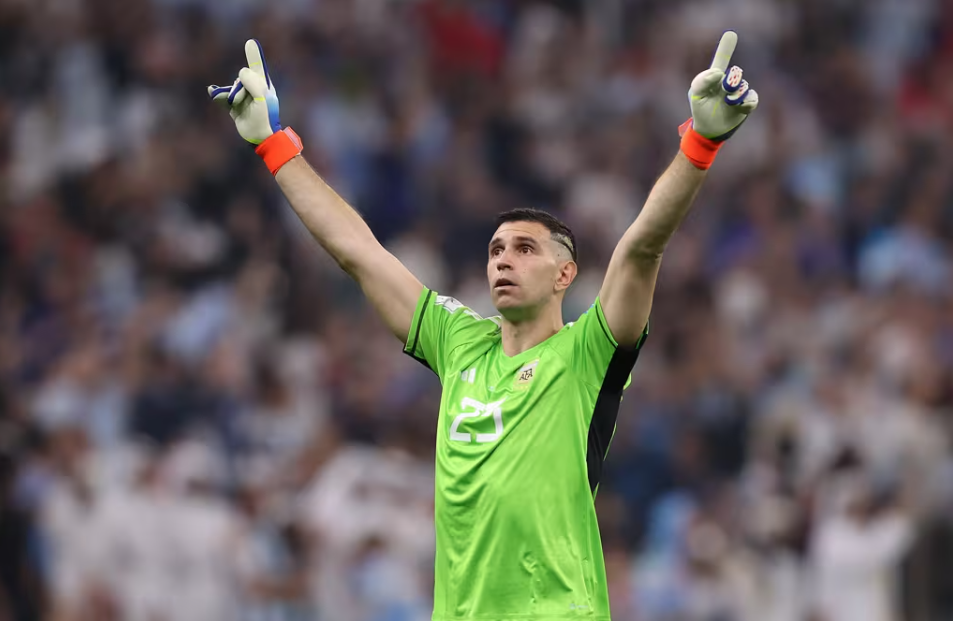
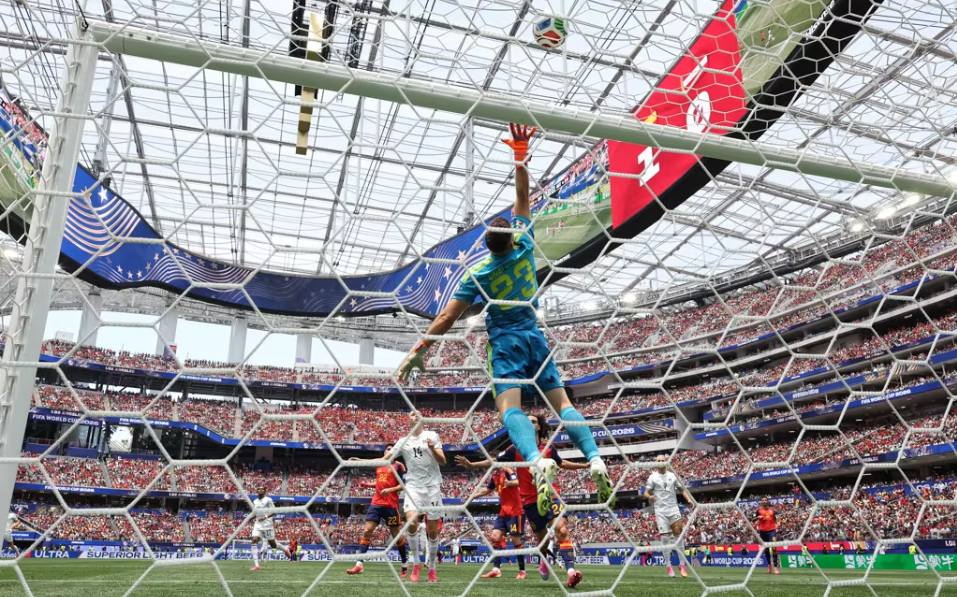
As the FIFA World Cup 2026 reaches its decisive conclusion, the tactical spotlight extends far beyond the attacking stars expected to headline the final between Spain and Argentina. While Argentina arrives as the tournament's highest-scoring side with 19 goals and Spain boasts the strongest defensive record after conceding only once in seven matches, the battle between goalkeepers may ultimately determine who lifts football's most prestigious trophy.
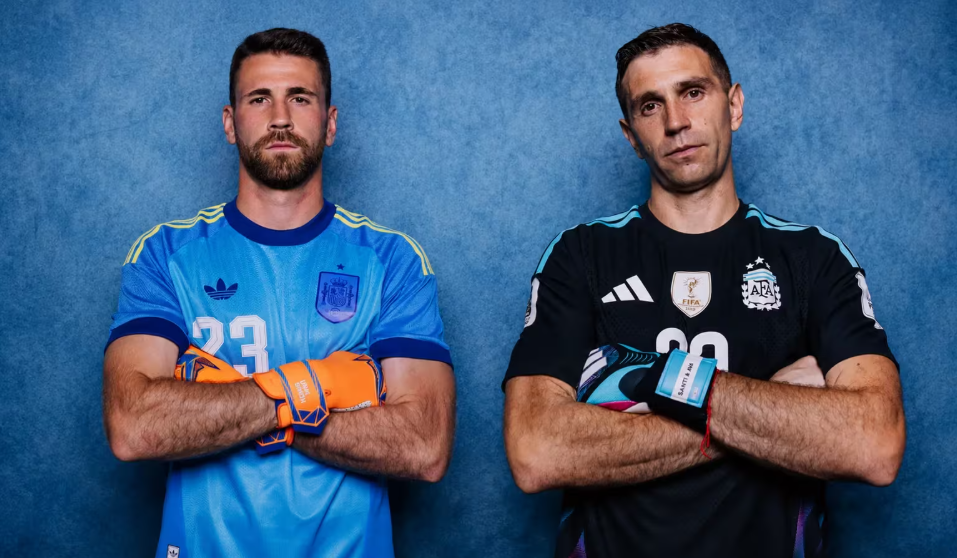
The final presents two of the world's elite shot-stoppers whose contrasting football philosophies reflect the identities of their respective national teams. Spain's Unai Simon has become an essential component of La Roja's possession-based structure, while Argentina's Emiliano Martinez continues to represent resilience, psychological strength and match-winning interventions under maximum pressure.
According to Pascal Zuberbuhler, former Switzerland goalkeeper and current leader of FIFA's Technical Study Group during the tournament, Simon's influence stretches far beyond conventional goalkeeping duties. Modern football increasingly demands goalkeepers capable of initiating attacks, maintaining possession and acting as an additional outfield player during the build-up phase. Simon embodies that evolution perfectly.
Spain's tactical identity encourages defenders to recycle possession through their goalkeeper, allowing Simon to dictate the rhythm from deep areas. Rather than simply preventing goals, he actively contributes to Spain's offensive organization by creating numerical superiority during possession phases. His willingness to leave the penalty area and support the defensive line demonstrates remarkable confidence and technical quality with the ball at his feet.
This approach inevitably carries calculated risk. Against France in the semi-finals, Simon twice advanced outside his area to protect Spain's defensive structure, illustrating the proactive role demanded by modern tactical systems. Nevertheless, those risks have been carefully managed throughout the competition. Spain conceded only one goal across seven matches, while Simon established the longest clean-sheet streak in World Cup history with 650 consecutive minutes before Belgium finally ended the remarkable run in the quarter-finals.
While Simon's strengths lie in organization and positional intelligence, Argentina's Emiliano Martinez represents a completely different psychological profile. The Aston Villa goalkeeper has built his international reputation on delivering extraordinary saves during football's biggest moments, combining instinctive reactions with an unshakable competitive mentality.
Martinez once again demonstrated those qualities throughout the tournament, particularly during Argentina's quarter-final victory over Switzerland. His ability to produce decisive interventions has become one of Argentina's greatest competitive advantages, especially after establishing himself as one of the heroes of the 2022 FIFA World Cup by producing iconic saves, including his unforgettable stop against France in extra time and his dominance during penalty shootouts.
Zuberbuhler describes Martinez as a goalkeeper capable of producing the extraordinary whenever circumstances demand it. Whether facing one-on-one situations or penalty shootouts, the Argentine possesses exceptional confidence that often transfers to the entire defensive unit, strengthening the team's resilience during critical phases of matches.
From a strategic perspective, the final showcases two different interpretations of modern goalkeeping. Spain's system relies on collective control, structured possession and technical precision beginning from the goalkeeper. Argentina, meanwhile, complements its attacking power with a goalkeeper capable of changing matches through individual brilliance when defensive systems are broken.
The commercial significance of this duel extends beyond the ninety minutes. Exceptional World Cup performances from goalkeepers significantly enhance player valuation, strengthen club reputations and reinforce national football brands on the international stage. Successful tournaments generate increased sponsorship opportunities, commercial partnerships, merchandising demand and long-term marketing value for both federations and individual athletes.
Brand identity also plays a central role. Simon reinforces Spain's image as a nation built around technical excellence, tactical discipline and intelligent player development. Martinez, meanwhile, embodies Argentina's football culture of passion, courage, emotional resilience and relentless competitiveness. Their contrasting personalities have become valuable extensions of each country's sporting identity.
Despite their different styles, Pascal Zuberbuhler believes neither goalkeeper enters the final with a clear advantage. Instead, the contest represents a balance between Spain's organized defensive structure and Argentina's determination, attacking quality and belief in overcoming adversity.
As the world watches the World Cup Final unfold in New York New Jersey, the decisive moment may not belong to a prolific striker but to the goalkeeper capable of producing one defining save. Whether through Simon's tactical composure or Martinez's spectacular reflexes, the last line of defense could ultimately become the first reason one nation celebrates world football's greatest achievement.
News You Should See
2026 Nobel Medicine Prize Honors Scientists Behind Optogenetics Breakthrough
Oil Prices Edge Lower as Stronger Middle East Exports and G7 Reserves Ease Supply Concerns
Trump Offers U.S. Assistance to Russia After Death at Siberian Plague Research Institute
Trump Takes Economic Message to Nebraska as GOP Faces Rising Cost-of-Living Pressure
U.S. Appeals Court Weighs Trump Administration’s $2.6 Billion Harvard Funding Fight
U.S. Midterm Elections Begin With Resilient Jobs Market and Persistent Cost Pressures
Latest News
The 2026 Nobel Prize in Physiology or Medicine honors Karl Deisseroth, Peter Hegemann and Georg Nagel for pioneering research behind optogenetics and its impact on neuroscience.
Oil prices edged lower as stronger Middle Eastern exports and a planned G7 release of 100 million barrels eased immediate supply concerns, while Gulf security risks and the Strait of Hormuz kept markets alert.
President Donald Trump said the United States would help Russia if needed after a laboratory worker died at a Siberian plague research institute, as Russian authorities imposed precautionary quarantine measures.
Trump’s Nebraska campaign stop highlights rising fuel and grocery costs, beef prices and growing economic pressure on Republicans ahead of the November midterm elections.
A U.S. appeals court is reviewing the Trump administration’s effort to cut Harvard’s federal research funding, with more than $2.6 billion at stake.
The U.S. enters the 2026 midterm elections with unemployment at 4.2%, while higher living and energy costs create economic pressure for households and businesses.
US services growth eased in September as input prices climbed to their highest level since July 2022, with fuel costs, supply-chain disruptions and strong demand increasing pressure on businesses.
Rising Treasury yields are increasing U.S. borrowing costs as Washington manages record debt, persistent inflation and strong economic demand, narrowing its policy options.
A EGP 16 million corporate partnership will establish and equip a bone marrow transplant unit at Cairo’s Coptic Hospital, supporting access to specialized treatment for patients.