Why Raising the Egyptian Flag in New York Is an Achievement
Beyond Symbolism: How the Egyptian Flag-Raising Ceremony Reflects Community Recognition, Civic Presence, and Long-Term Institutional Progress

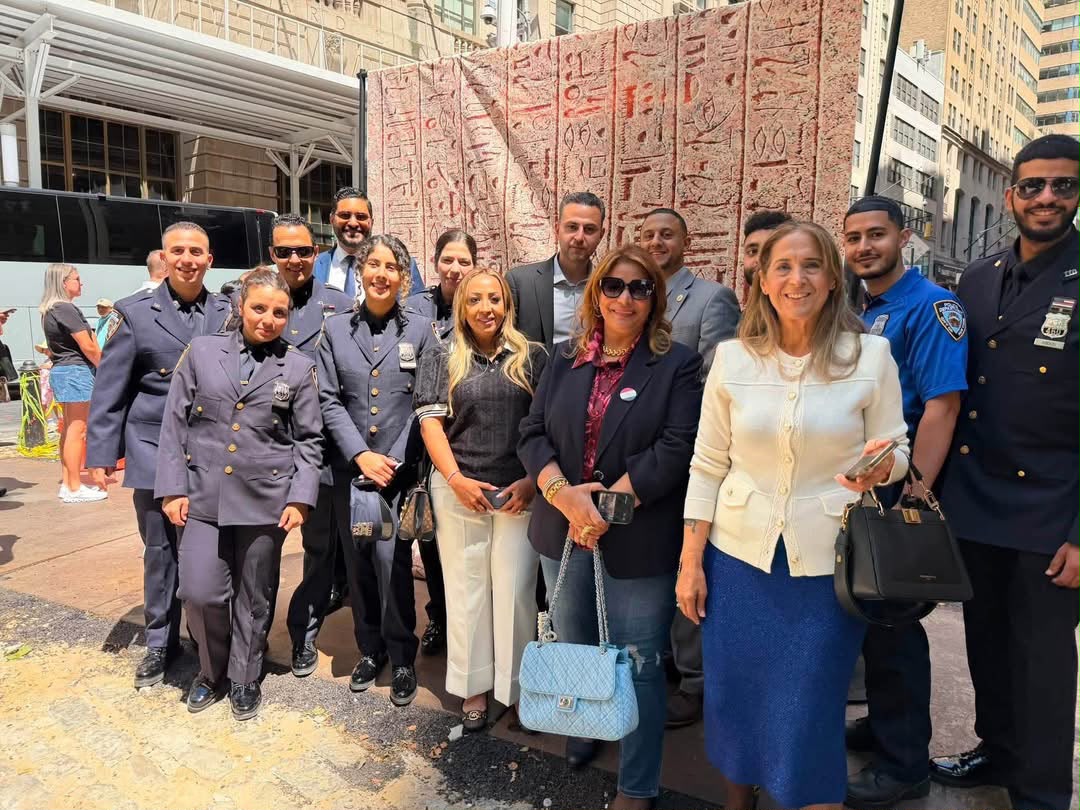
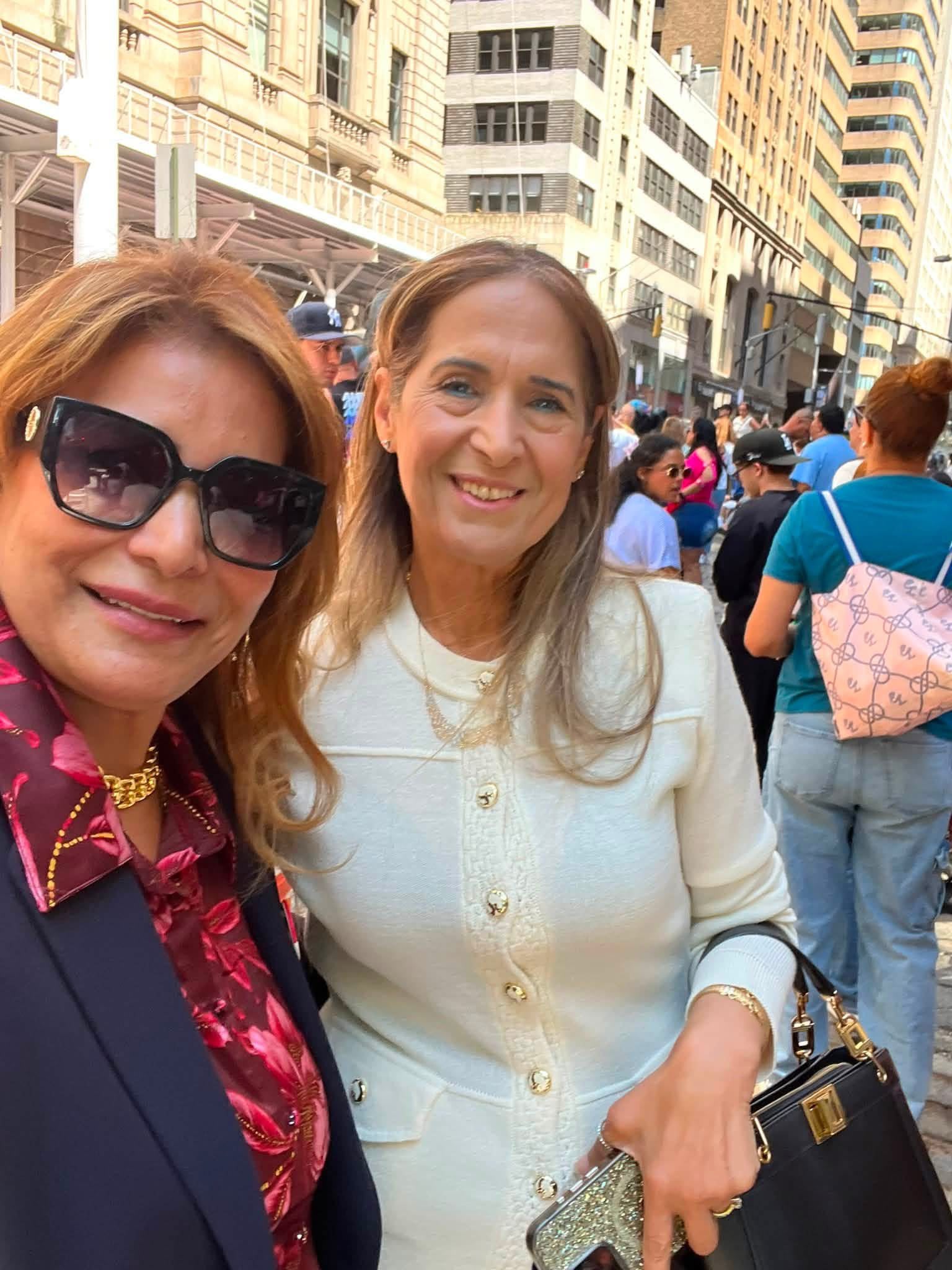
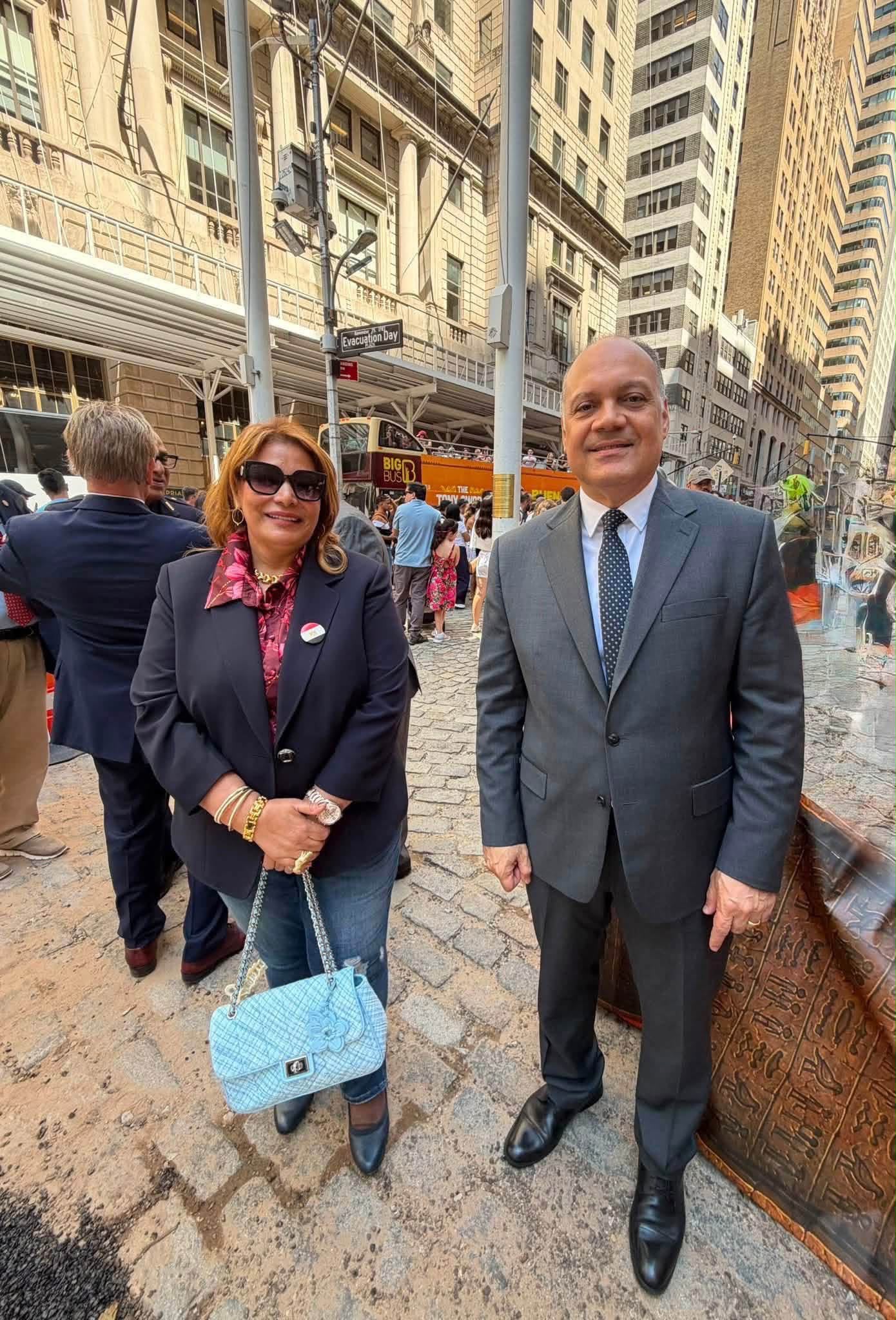
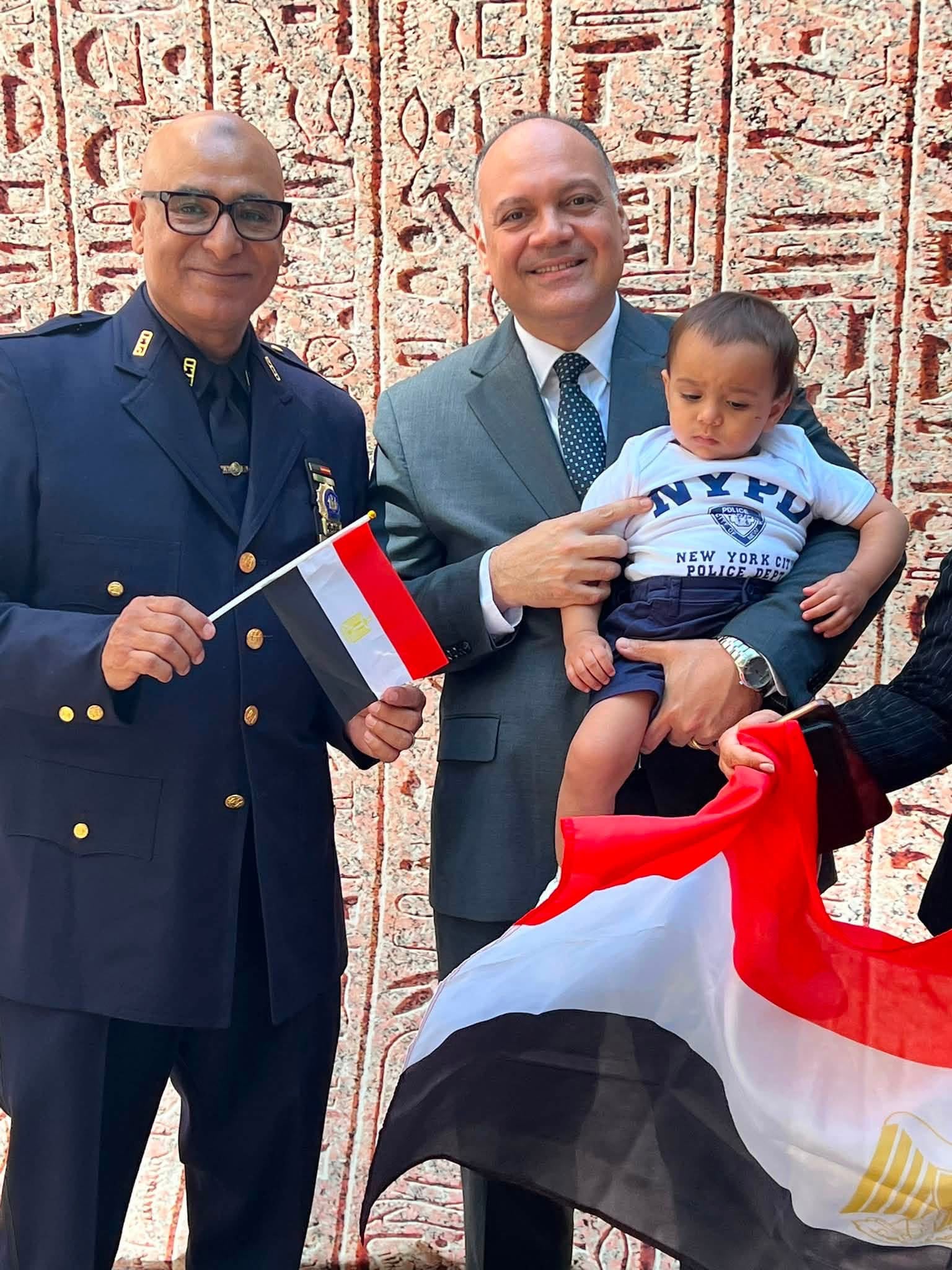
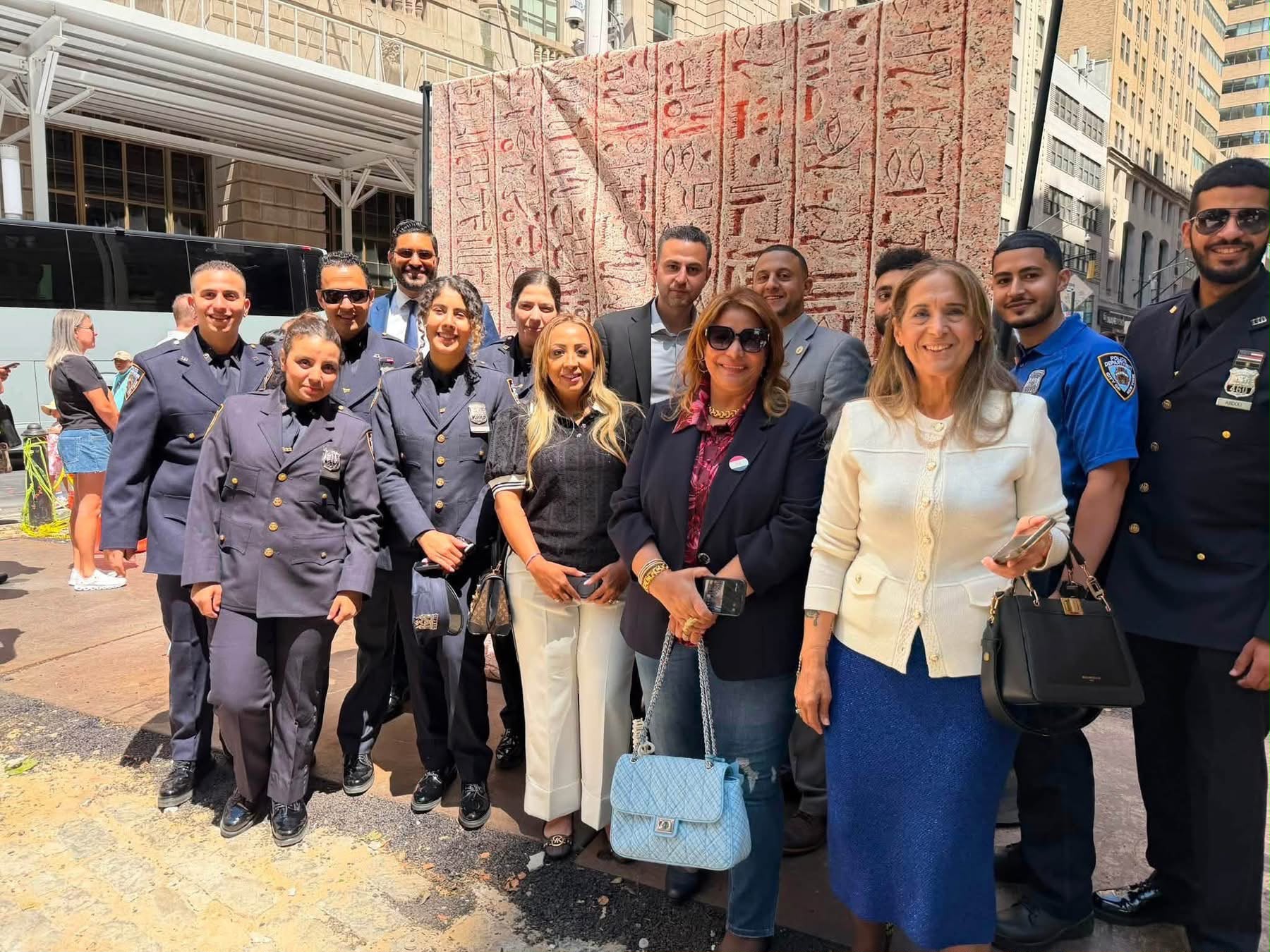
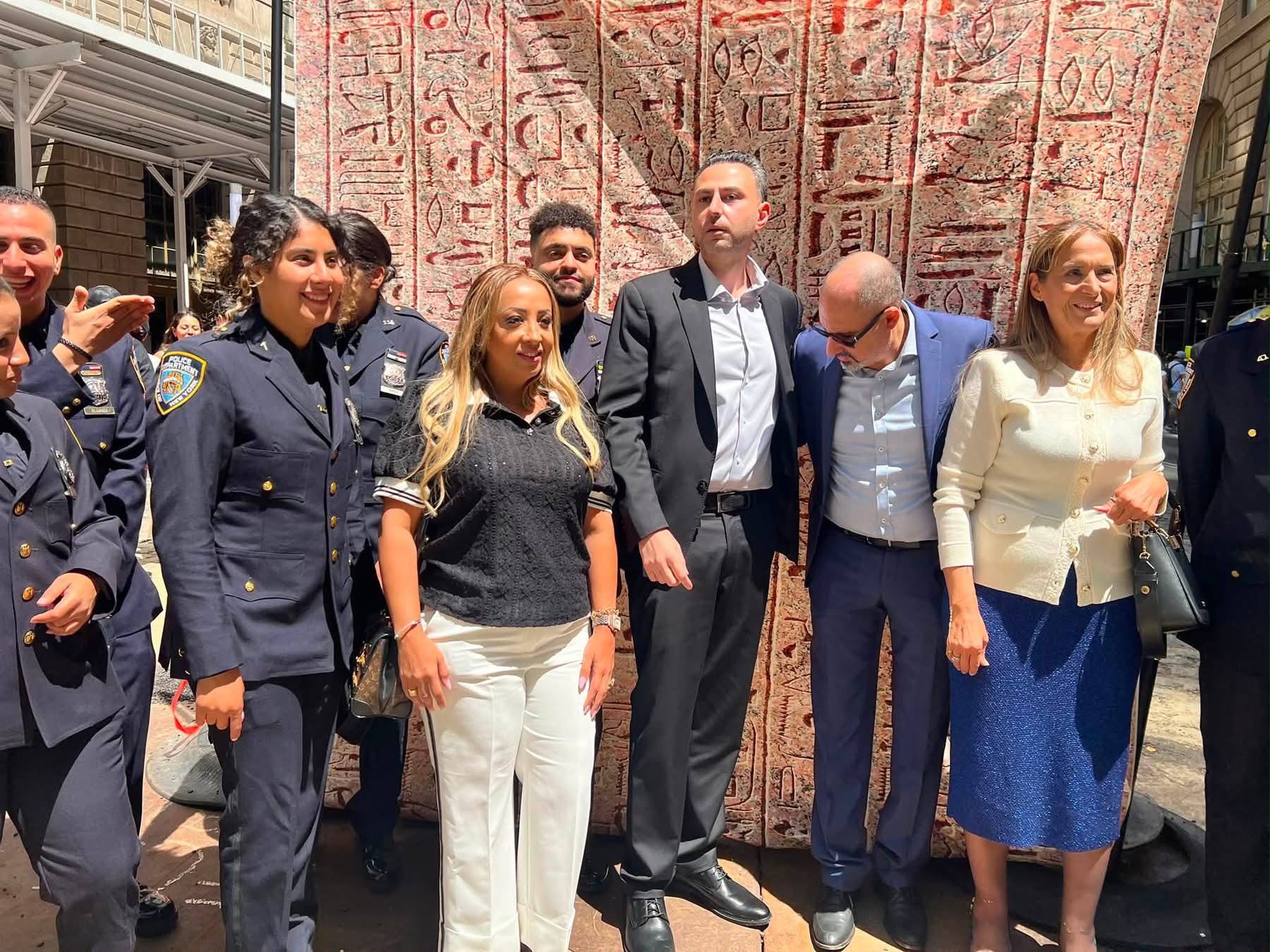
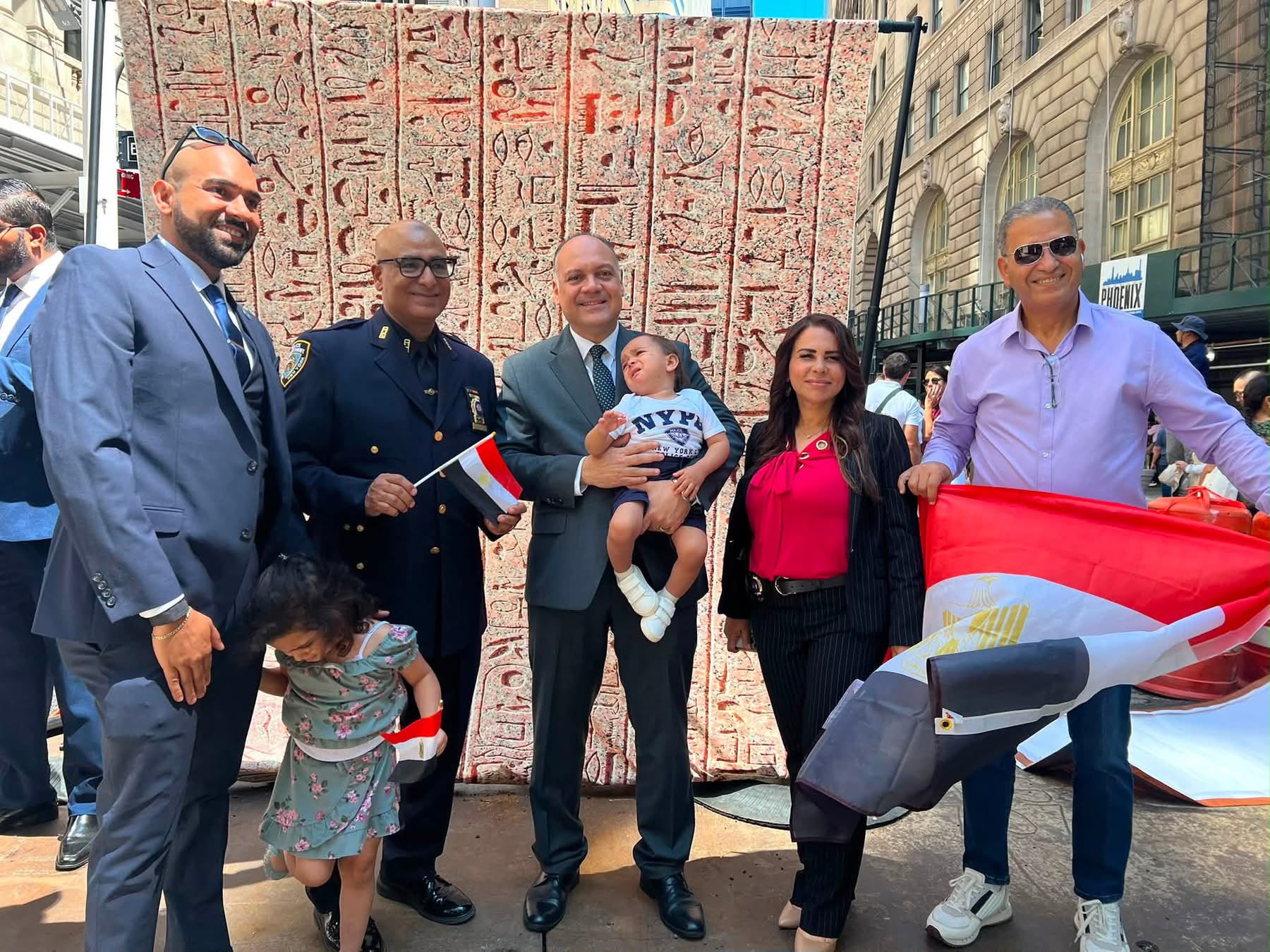
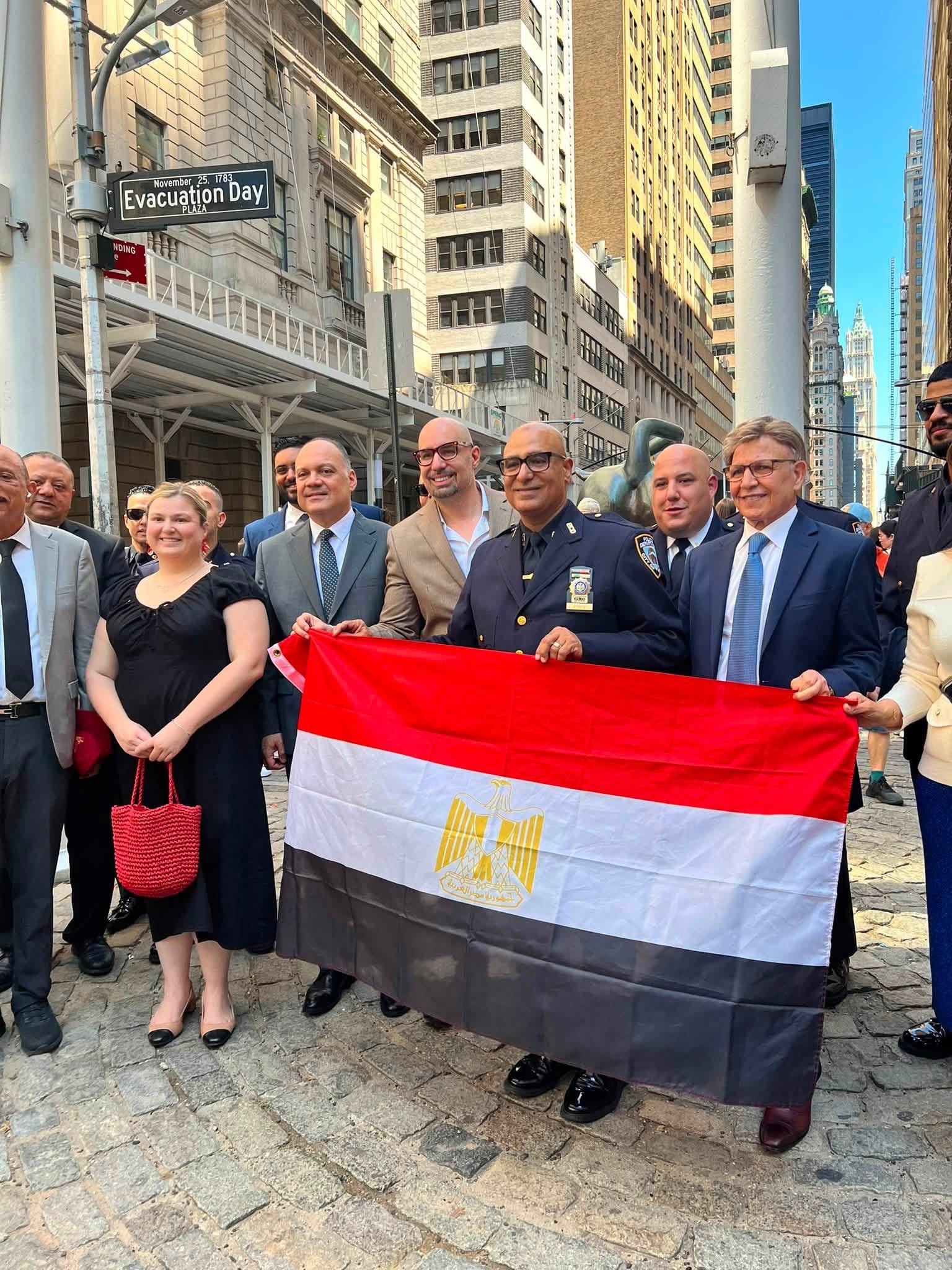
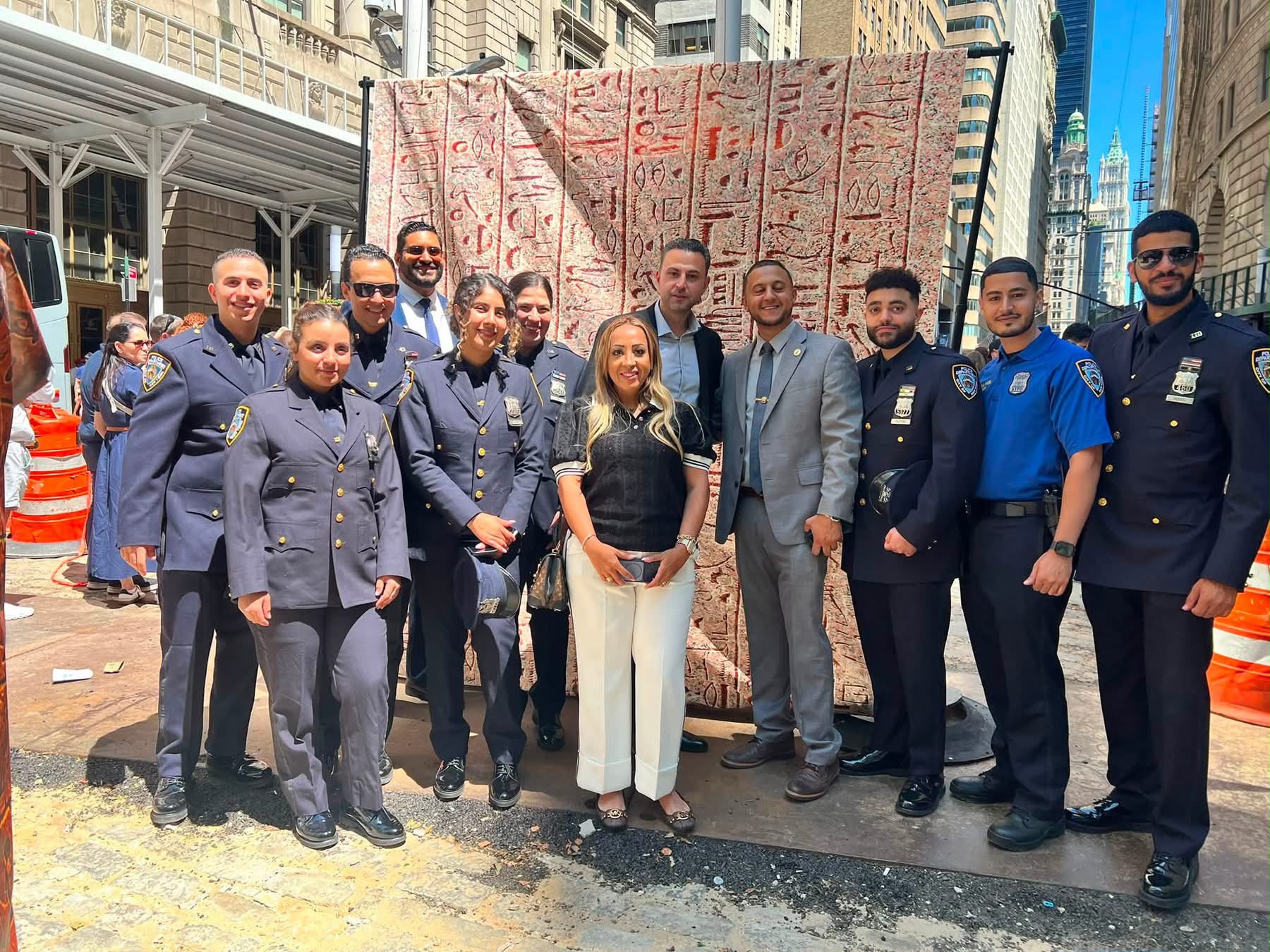
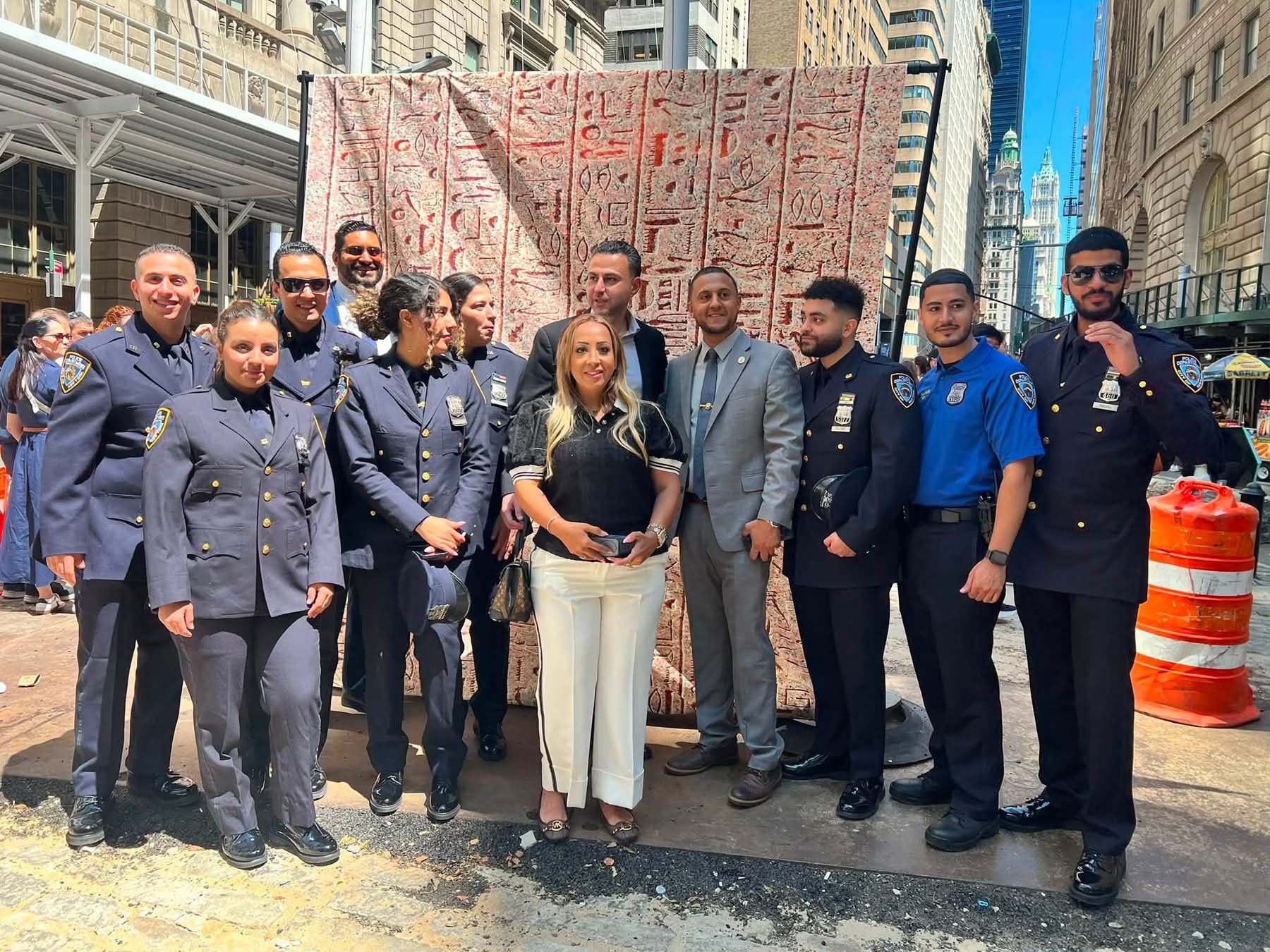
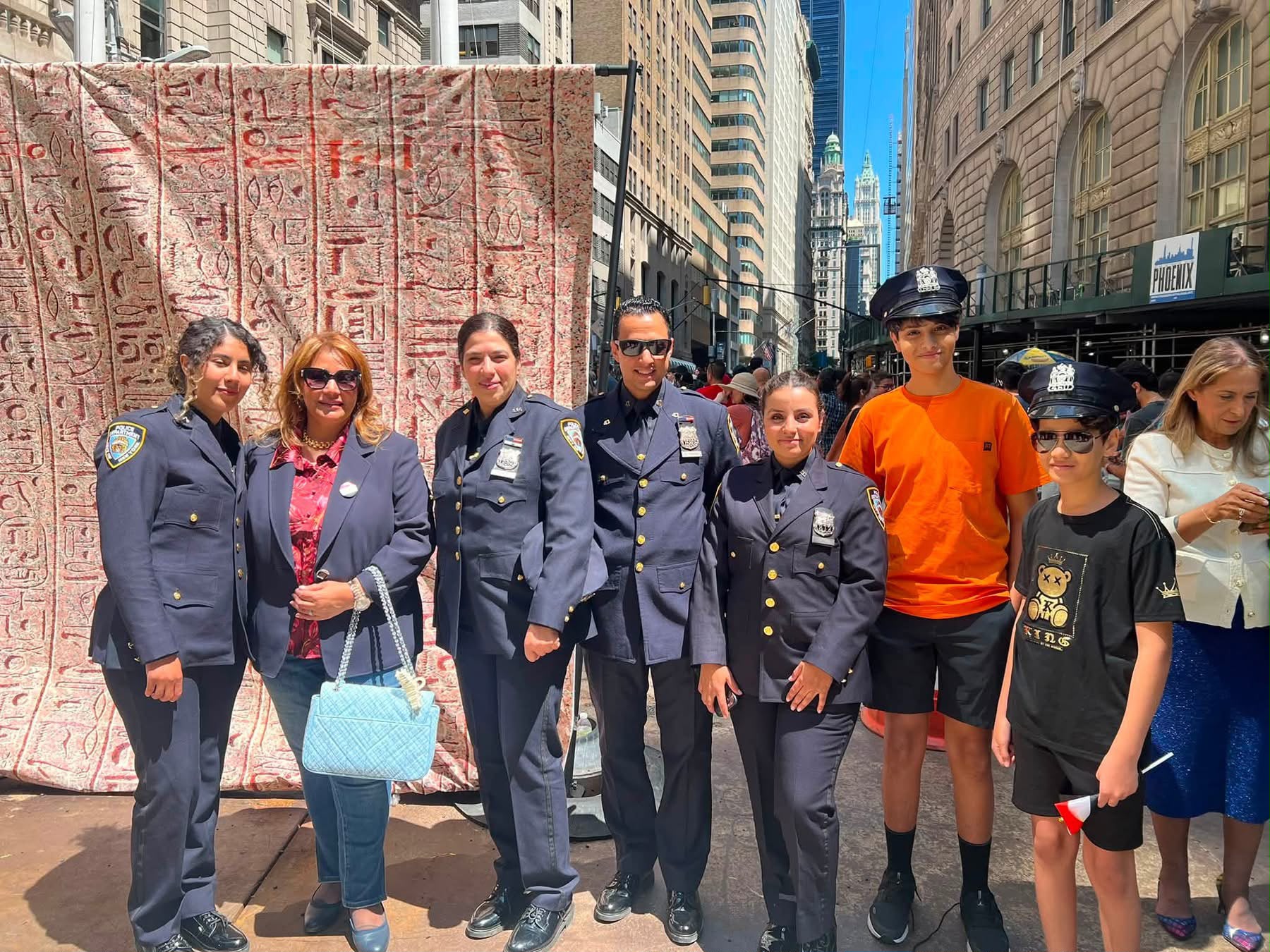
Why Raising the Egyptian Flag in New York Is an Achievement
Some may view a flag-raising ceremony as a symbolic occasion limited to speeches and photographs. However, this perspective overlooks the deeper significance of raising Egypt’s flag at an official and prominent location in a city such as New York.
The achievement is not simply that the flag reached the top of the pole. It is that the Egyptian-American community reached a new level of visibility, recognition, and civic presence.
Official Recognition of the Egyptian Community
When the Egyptian flag is raised in a public location with the participation of government officials and city representatives, it reflects recognition of Egyptian Americans and their contributions to medicine, education, business, media, public service, and community life.
On this occasion, the flag represents not only Egypt but also the thousands of Egyptians who have made New York their second home while maintaining a strong connection to their heritage.
The Result of Years of Work
Events of this significance do not happen automatically. They require years of communication with city institutions, relationship-building, community coordination, and careful organizational planning.
The ceremony therefore represents the culmination of sustained efforts by individuals and organizations that worked to give the Egyptian community the public presence it deserves.
From Community Presence to Civic Influence
The strength of a community is measured not only by its size, but also by its ability to participate, become visible, and engage effectively with public institutions.
Raising the Egyptian flag in the heart of New York brings the community’s identity into the public sphere and presents Egyptian Americans as an active and valuable part of the city’s diverse social fabric.
A Message to Future Generations
The ceremony carries special meaning for Egyptian-American children and young people who were born or raised in the United States.
Seeing the Egyptian flag raised in their city encourages pride in their heritage and helps them develop a positive connection with their cultural roots. It also reminds them that their Egyptian and American identities can coexist and enrich one another.
Strengthening Egyptian-American Relations
The event also carries cultural and diplomatic significance. It highlights the bonds of friendship between the Egyptian and American peoples while creating opportunities for greater cooperation among the Egyptian Consulate, New York City institutions, and community organizations.
The Real Work Begins After the Flag Is Raised
The ceremony should not be viewed as the conclusion of the community’s work, but as the beginning of a new stage.
Its value will grow when symbolic recognition is transformed into meaningful programs supporting young people, women, seniors, education, civic participation, community integration, and efforts against discrimination and hate.
Raising the flag is an achievement because it demonstrates that the Egyptian-American community is visible, respected, and heard. Preserving that presence and transforming it into lasting influence is the greater responsibility.
Ultimately, the importance of the occasion is not measured by the height of the flagpole or the length of the ceremony. It is measured by what the flag represents: the history, contributions, unity, and aspirations of a community that has worked for years to earn its rightful place in New York City.

News You Should See
2026 Nobel Medicine Prize Honors Scientists Behind Optogenetics Breakthrough
Oil Prices Edge Lower as Stronger Middle East Exports and G7 Reserves Ease Supply Concerns
Trump Offers U.S. Assistance to Russia After Death at Siberian Plague Research Institute
Trump Takes Economic Message to Nebraska as GOP Faces Rising Cost-of-Living Pressure
U.S. Appeals Court Weighs Trump Administration’s $2.6 Billion Harvard Funding Fight
U.S. Midterm Elections Begin With Resilient Jobs Market and Persistent Cost Pressures
Latest News
The 2026 Nobel Prize in Physiology or Medicine honors Karl Deisseroth, Peter Hegemann and Georg Nagel for pioneering research behind optogenetics and its impact on neuroscience.
Oil prices edged lower as stronger Middle Eastern exports and a planned G7 release of 100 million barrels eased immediate supply concerns, while Gulf security risks and the Strait of Hormuz kept markets alert.
President Donald Trump said the United States would help Russia if needed after a laboratory worker died at a Siberian plague research institute, as Russian authorities imposed precautionary quarantine measures.
Trump’s Nebraska campaign stop highlights rising fuel and grocery costs, beef prices and growing economic pressure on Republicans ahead of the November midterm elections.
A U.S. appeals court is reviewing the Trump administration’s effort to cut Harvard’s federal research funding, with more than $2.6 billion at stake.
The U.S. enters the 2026 midterm elections with unemployment at 4.2%, while higher living and energy costs create economic pressure for households and businesses.
US services growth eased in September as input prices climbed to their highest level since July 2022, with fuel costs, supply-chain disruptions and strong demand increasing pressure on businesses.
Rising Treasury yields are increasing U.S. borrowing costs as Washington manages record debt, persistent inflation and strong economic demand, narrowing its policy options.
A EGP 16 million corporate partnership will establish and equip a bone marrow transplant unit at Cairo’s Coptic Hospital, supporting access to specialized treatment for patients.