Why Home Cooling Appliances Are Becoming Essential During Extreme Heat
The growing popularity of frozen drink machines reflects changing consumer priorities, climate adaptation, and product-focused innovation.

Extreme weather is increasingly influencing purchasing decisions across consumer electronics and home appliances. As cities experience longer and more intense heat waves, products that improve comfort inside the home are attracting greater attention from households looking for practical everyday solutions.
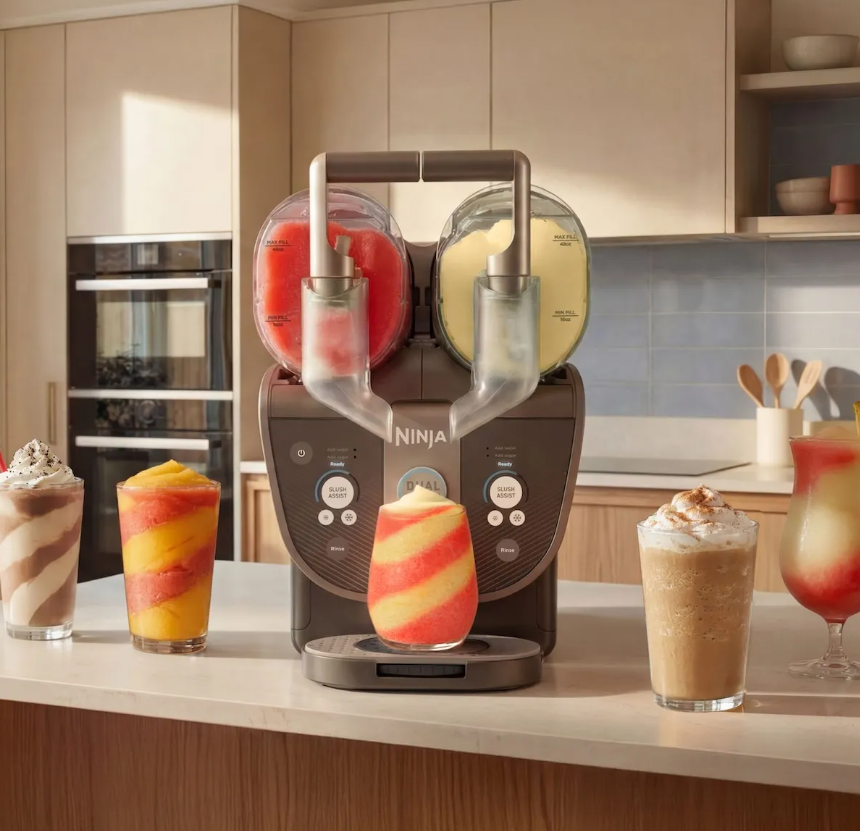
Among the categories benefiting from this shift are countertop frozen drink machines. Rather than being viewed solely as seasonal entertainment products, these appliances are beginning to represent an emerging segment of premium home convenience. Their appeal extends beyond making slushies, offering consumers a simple way to prepare frozen beverages without relying on crushed ice while maintaining consistent texture and flavor.
From a product design perspective, manufacturers are emphasizing ease of use, automated operation, and minimal maintenance. Features such as dedicated drink programs, adjustable texture controls, removable components, and simplified cleaning routines help reduce friction for users while making the appliance suitable for regular household use instead of occasional gatherings.
The commercial strategy behind these products reflects broader changes in consumer expectations. Modern buyers increasingly evaluate kitchen appliances not only by technical specifications but also by how they integrate into everyday lifestyles. Compact footprints, contemporary aesthetics, and intuitive interfaces contribute to stronger perceived value and reinforce premium brand positioning.
Climate conditions also create temporary spikes in demand that encourage retailers and manufacturers to strengthen promotional campaigns. During periods of unusually high temperatures, cooling-related appliances often receive greater visibility through seasonal marketing, retail discounts, and social media engagement. This combination of environmental factors and digital marketing helps accelerate consumer awareness.
From an economic standpoint, innovative small appliances represent an attractive category because they combine relatively accessible pricing with high perceived utility. Products capable of delivering a distinctive user experience often generate strong word-of-mouth recommendations, encouraging repeat purchases across related product ecosystems and increasing long-term customer loyalty.
Brand identity plays an equally significant role. Companies that consistently introduce practical innovations can strengthen consumer confidence while differentiating themselves within highly competitive appliance markets. When engineering performance is combined with thoughtful industrial design and reliable user experience, products become ambassadors for the broader brand rather than standalone devices.
As climate adaptation becomes part of everyday purchasing behavior, manufacturers are likely to continue investing in smart cooling technologies that balance convenience, efficiency, and user-focused design. The evolution of frozen beverage appliances illustrates how relatively simple household products can respond to broader environmental challenges while creating new commercial opportunities across the home appliance industry.
News You Should See
2026 Nobel Medicine Prize Honors Scientists Behind Optogenetics Breakthrough
Oil Prices Edge Lower as Stronger Middle East Exports and G7 Reserves Ease Supply Concerns
Trump Offers U.S. Assistance to Russia After Death at Siberian Plague Research Institute
Trump Takes Economic Message to Nebraska as GOP Faces Rising Cost-of-Living Pressure
U.S. Appeals Court Weighs Trump Administration’s $2.6 Billion Harvard Funding Fight
U.S. Midterm Elections Begin With Resilient Jobs Market and Persistent Cost Pressures
Latest News
The 2026 Nobel Prize in Physiology or Medicine honors Karl Deisseroth, Peter Hegemann and Georg Nagel for pioneering research behind optogenetics and its impact on neuroscience.
Oil prices edged lower as stronger Middle Eastern exports and a planned G7 release of 100 million barrels eased immediate supply concerns, while Gulf security risks and the Strait of Hormuz kept markets alert.
President Donald Trump said the United States would help Russia if needed after a laboratory worker died at a Siberian plague research institute, as Russian authorities imposed precautionary quarantine measures.
Trump’s Nebraska campaign stop highlights rising fuel and grocery costs, beef prices and growing economic pressure on Republicans ahead of the November midterm elections.
A U.S. appeals court is reviewing the Trump administration’s effort to cut Harvard’s federal research funding, with more than $2.6 billion at stake.
The U.S. enters the 2026 midterm elections with unemployment at 4.2%, while higher living and energy costs create economic pressure for households and businesses.
US services growth eased in September as input prices climbed to their highest level since July 2022, with fuel costs, supply-chain disruptions and strong demand increasing pressure on businesses.
Rising Treasury yields are increasing U.S. borrowing costs as Washington manages record debt, persistent inflation and strong economic demand, narrowing its policy options.
A EGP 16 million corporate partnership will establish and equip a bone marrow transplant unit at Cairo’s Coptic Hospital, supporting access to specialized treatment for patients.