Why Automakers Are Retreating From EV Lineups in the U.S. as the Market Enters a New Strategic Phase
A market-wide shift toward profitability, production efficiency, and brand repositioning is driving the cancellation of several electric vehicle models across the U.S.

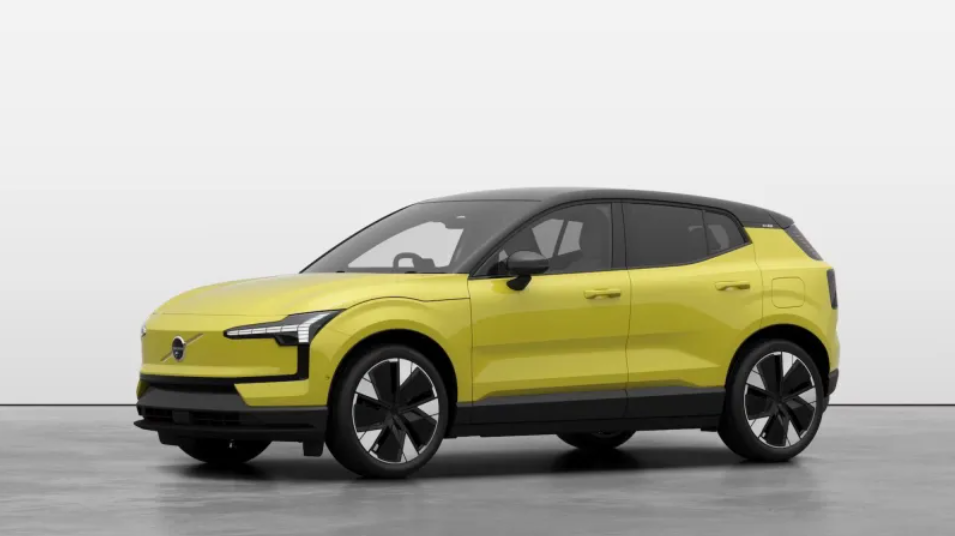
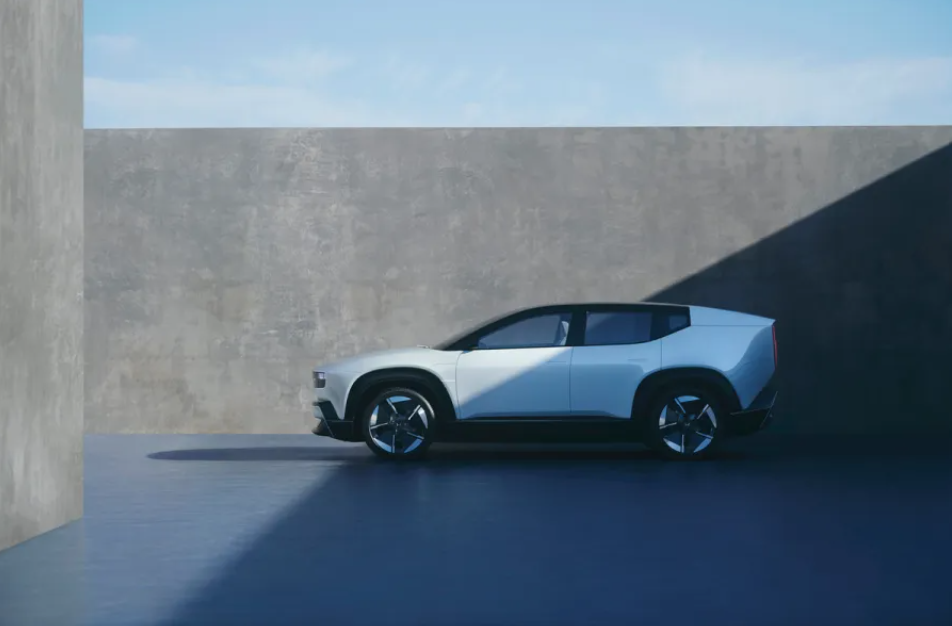
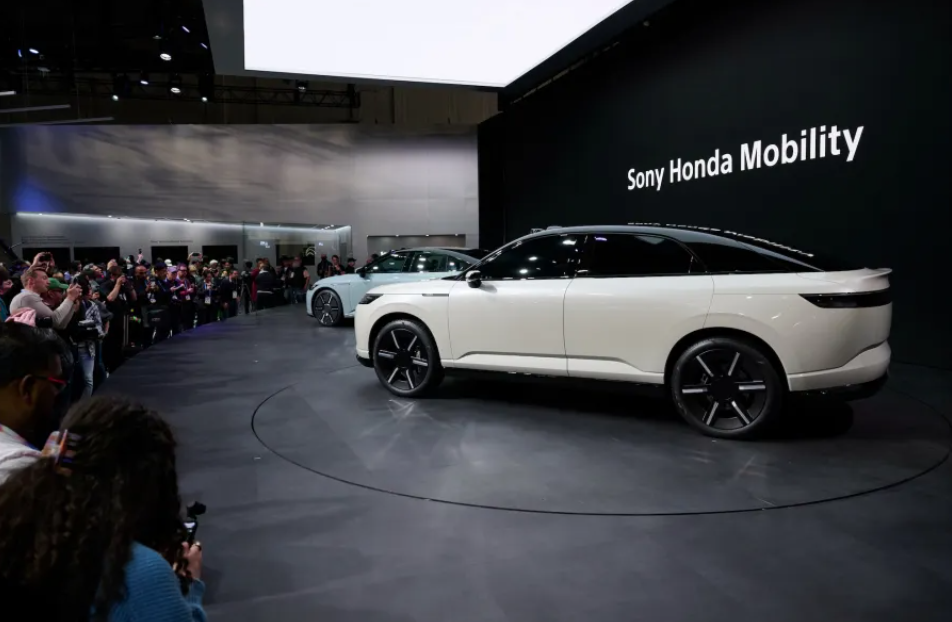
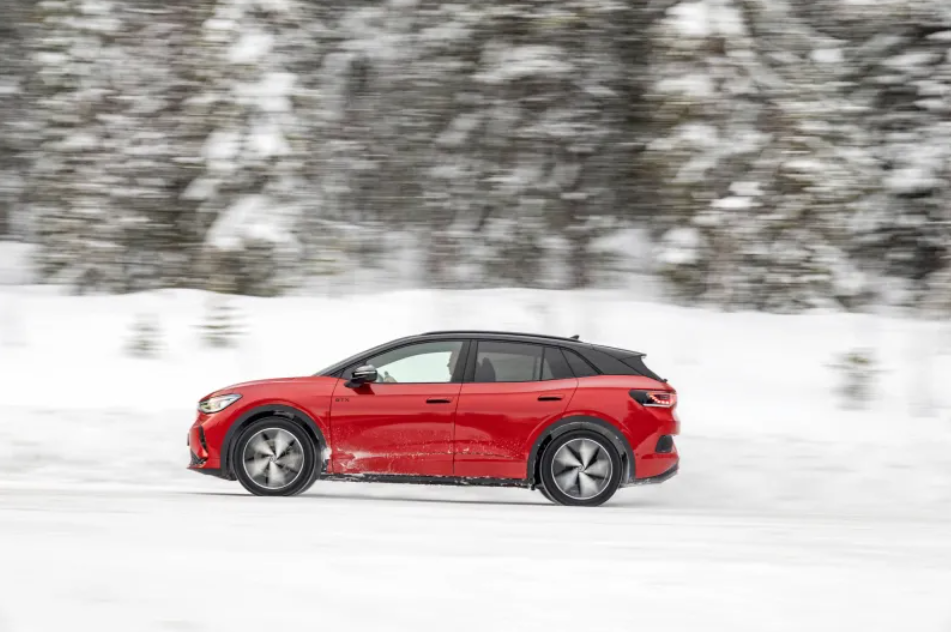
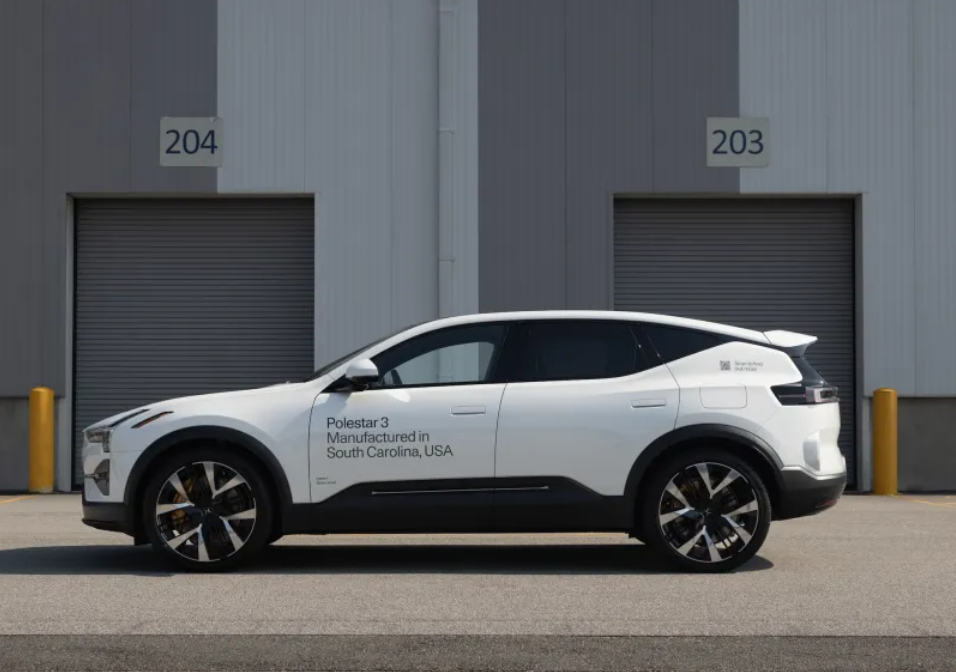
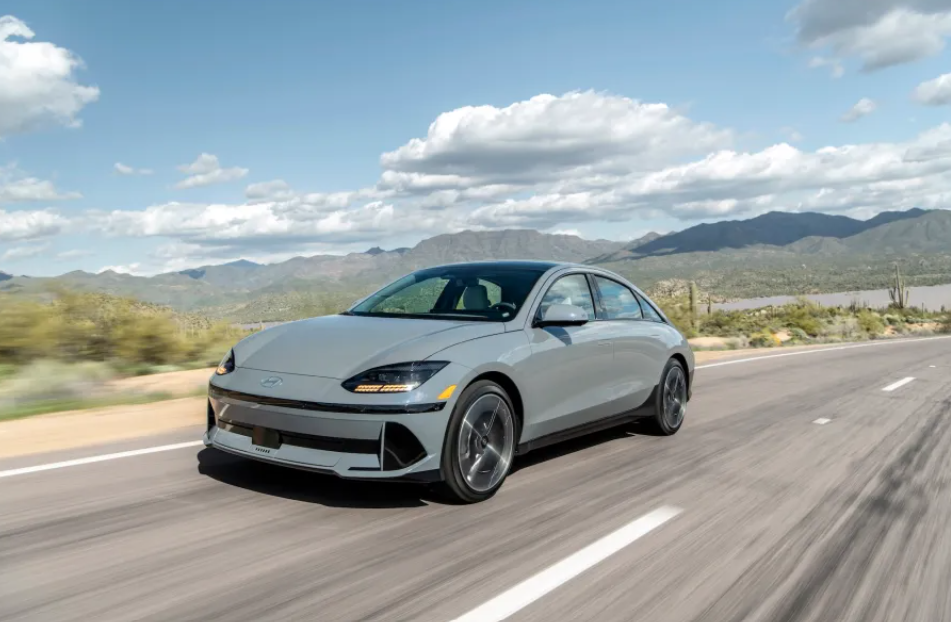
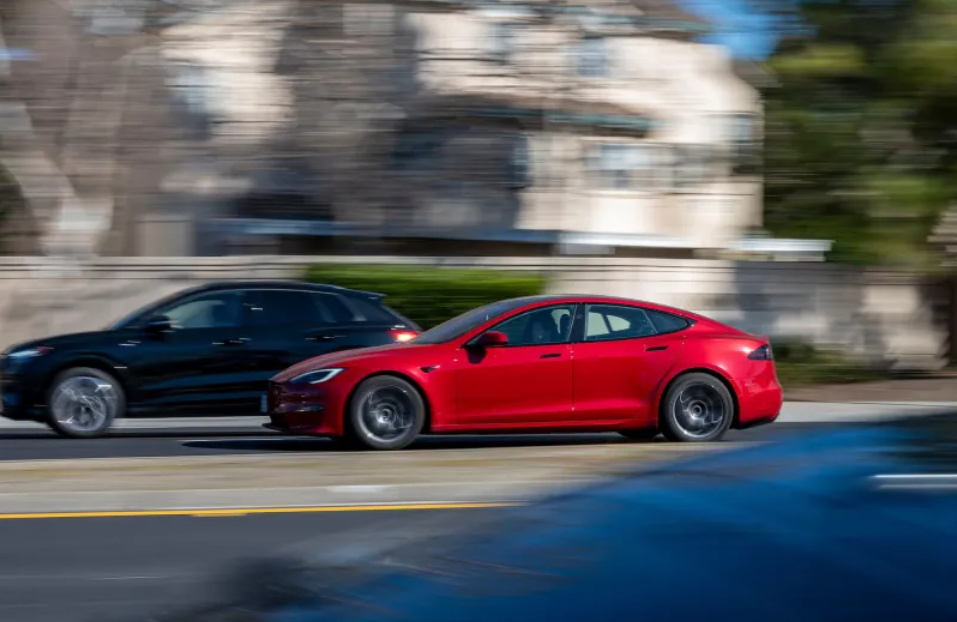
The rapid expansion that defined the electric vehicle industry over the past several years is giving way to a far more selective and financially disciplined phase. During 2026, a growing number of manufacturers have either discontinued, delayed, or completely canceled electric vehicle programs in the United States, reflecting a broader restructuring of product strategies rather than a retreat from electrification itself.
The latest industry review highlights a long list of vehicles that have disappeared from American product plans, including models from Honda, Hyundai, Volkswagen, Tesla, Kia, BMW, Volvo, Polestar and several other global manufacturers. While each company cites different operational reasons, the underlying economic pattern is remarkably similar: demand growth has slowed, government incentives have changed, tariffs have increased production costs, and investors are placing greater emphasis on profitability instead of aggressive expansion.
Instead of launching every planned electric vehicle, manufacturers are increasingly concentrating investment on fewer products with stronger commercial potential. Premium brands are consolidating their portfolios, mainstream automakers are prioritizing high-volume crossover and SUV segments, and several companies are redirecting capital toward hybrid technologies that currently deliver stronger sales and lower financial risk.
This transition demonstrates a significant evolution in automotive design strategy. During the first wave of electrification, manufacturers attempted to cover as many market segments as possible. Today's approach is considerably different. Companies are evaluating which vehicle architectures can generate sustainable profits while maintaining manufacturing efficiency across multiple global markets.
The economic dimension is equally important. Building dedicated EV platforms requires billions of dollars in research, battery supply agreements, factory modernization, software development, and charging ecosystem investments. When expected sales volumes decline or regulatory incentives disappear, the financial equation changes rapidly, forcing executives to reassess future product pipelines. Recent policy changes in the U.S., including the expiration of federal consumer incentives and shifting regulatory priorities, have accelerated these strategic reviews across the industry.
Brand identity is also becoming a central factor. Rather than competing through the largest number of electric models, automakers are increasingly attempting to strengthen a smaller collection of vehicles that better represent their technological vision. This enables brands to concentrate engineering resources, improve software integration, accelerate future model updates, and deliver clearer product positioning to consumers.
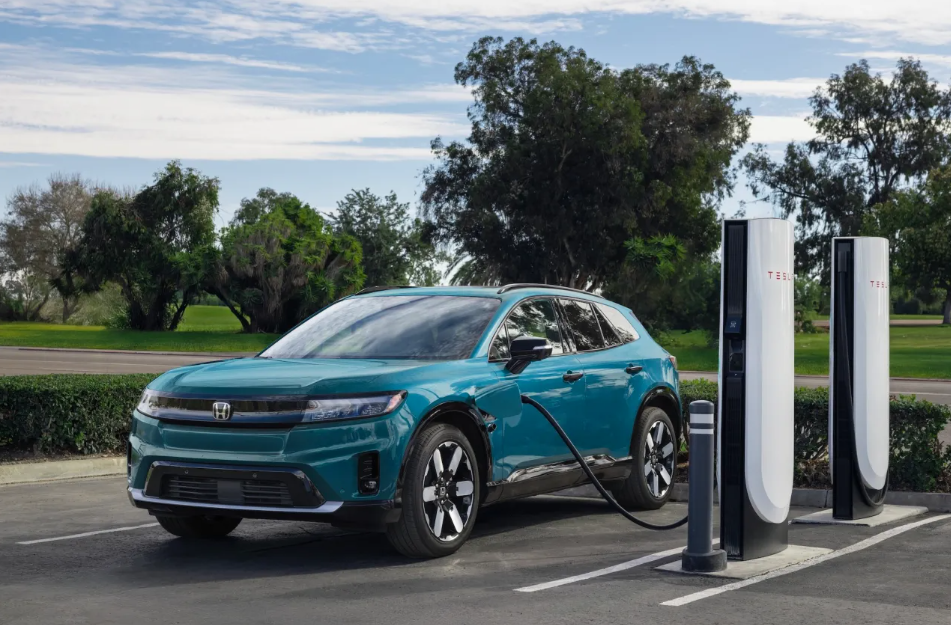
Honda's decision to discontinue the Prologue after the 2026 model year illustrates this broader trend. Although the model achieved respectable sales during its launch period, the company chose to redirect its strategy toward hybrid vehicles while reassessing future EV investments for the U.S. market.
Similarly, other manufacturers have paused imported models affected by tariffs, canceled projects that no longer meet profitability targets, or replaced existing vehicles with next-generation platforms designed around improved battery technologies and manufacturing efficiency rather than simple portfolio expansion.
From a competitive perspective, the current wave of discontinuations should not necessarily be interpreted as evidence that electric vehicles are failing. Instead, it reflects the maturation of a market moving beyond rapid experimentation toward disciplined capital allocation. Manufacturers now appear focused on creating fewer but more competitive products capable of delivering sustainable returns over longer development cycles.
For consumers, the result may ultimately be a stronger market with better-engineered vehicles, improved software ecosystems, longer driving range, and more carefully targeted product portfolios. For investors and industry analysts, however, the message is clear: the next phase of electrification will be defined less by the number of vehicles introduced and more by the economic resilience and strategic positioning behind every model.
News You Should See
2026 Nobel Medicine Prize Honors Scientists Behind Optogenetics Breakthrough
Oil Prices Edge Lower as Stronger Middle East Exports and G7 Reserves Ease Supply Concerns
Trump Offers U.S. Assistance to Russia After Death at Siberian Plague Research Institute
Trump Takes Economic Message to Nebraska as GOP Faces Rising Cost-of-Living Pressure
U.S. Appeals Court Weighs Trump Administration’s $2.6 Billion Harvard Funding Fight
U.S. Midterm Elections Begin With Resilient Jobs Market and Persistent Cost Pressures
Latest News
The 2026 Nobel Prize in Physiology or Medicine honors Karl Deisseroth, Peter Hegemann and Georg Nagel for pioneering research behind optogenetics and its impact on neuroscience.
Oil prices edged lower as stronger Middle Eastern exports and a planned G7 release of 100 million barrels eased immediate supply concerns, while Gulf security risks and the Strait of Hormuz kept markets alert.
President Donald Trump said the United States would help Russia if needed after a laboratory worker died at a Siberian plague research institute, as Russian authorities imposed precautionary quarantine measures.
Trump’s Nebraska campaign stop highlights rising fuel and grocery costs, beef prices and growing economic pressure on Republicans ahead of the November midterm elections.
A U.S. appeals court is reviewing the Trump administration’s effort to cut Harvard’s federal research funding, with more than $2.6 billion at stake.
The U.S. enters the 2026 midterm elections with unemployment at 4.2%, while higher living and energy costs create economic pressure for households and businesses.
US services growth eased in September as input prices climbed to their highest level since July 2022, with fuel costs, supply-chain disruptions and strong demand increasing pressure on businesses.
Rising Treasury yields are increasing U.S. borrowing costs as Washington manages record debt, persistent inflation and strong economic demand, narrowing its policy options.
A EGP 16 million corporate partnership will establish and equip a bone marrow transplant unit at Cairo’s Coptic Hospital, supporting access to specialized treatment for patients.