White House Restores CNN, MS NOW and Politico Access After Court Intervention
Judge Tim Kelly orders a 14-day halt to Trump's media ban as the dispute raises wider questions over press access, corporate risk and government transparency.

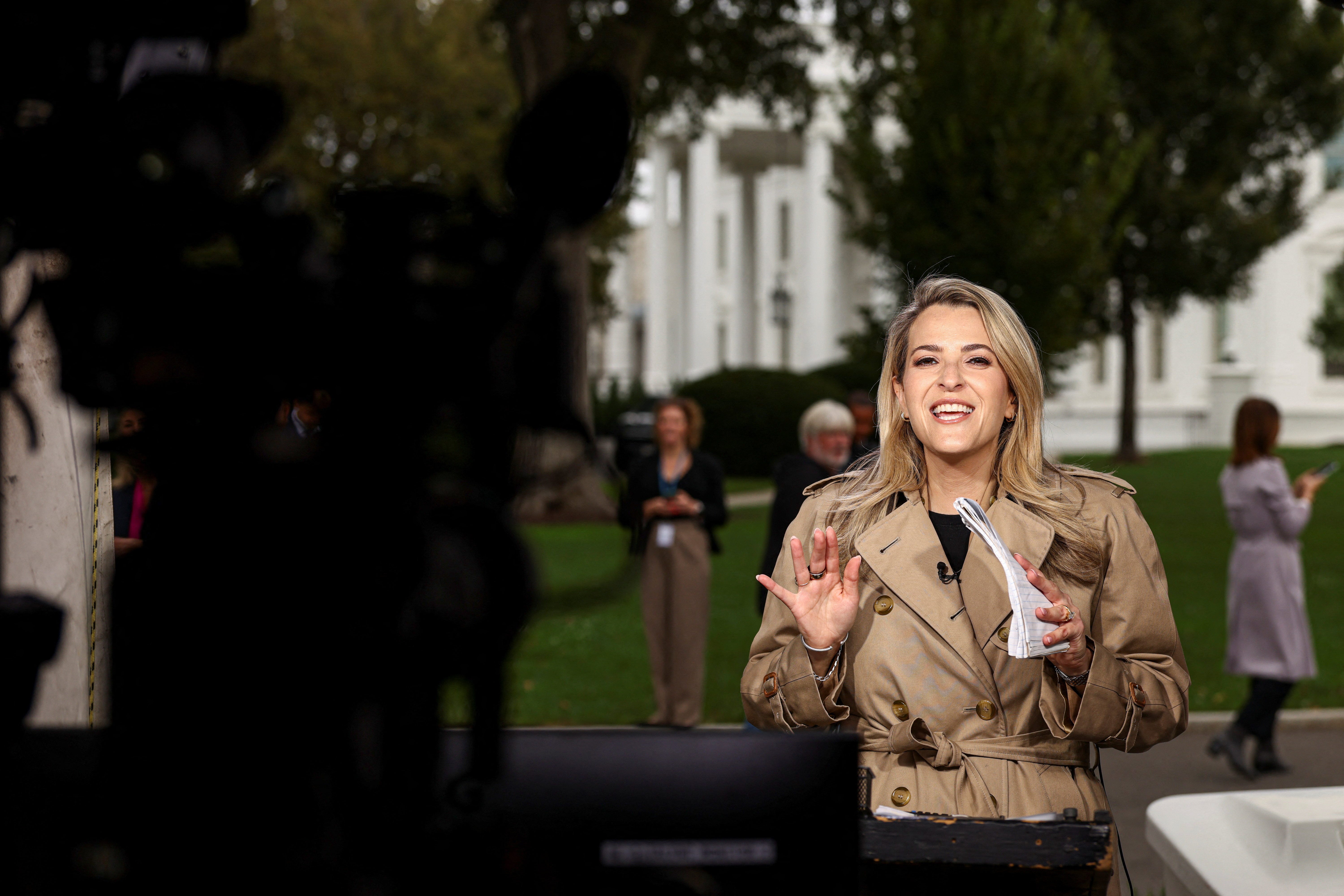
The White House has restored access for journalists from CNN, MS NOW and Politico after a federal judge intervened in a dispute that had rapidly expanded from a media-access decision into a broader legal and institutional confrontation.
The administration announced the reinstatement on Thursday after U.S. District Judge Tim Kelly ordered a 14-day halt to President Donald Trump's ban on the three news organizations. Kelly found that the withdrawal of their White House credentials likely violated constitutional due-process protections and questioned the administration's stated national-security rationale.
The sequence of events highlighted an unusual operational problem for both the government and the media companies. Although the court had ordered access to be restored, reporters from the affected organizations initially remained unable to enter the White House grounds. Politico said one of its reporters had credentials confiscated, while MS NOW reported that one of its journalists was blocked and CNN said some staff members were denied entry. The White House later said it had begun restoring the credentials early Thursday and had made badges available at an entry point.
For the media companies, the dispute is not simply about physical access to a government building. Direct access to the White House remains an important part of the competitive infrastructure of political journalism. Reporters working inside the complex can obtain direct briefings, observe presidential events and participate in a press ecosystem that feeds television, digital, social and subscription products.
That makes access a business and operational issue as well as a constitutional one. News organizations invest heavily in Washington bureaus, correspondents, video operations and real-time political coverage. Restrictions on physical access can therefore affect how quickly information is gathered, how visual coverage is produced and how efficiently a newsroom can serve audiences across multiple platforms.
The consequences were visible during a particularly significant diplomatic week. Trump was appearing at the United Nations General Assembly in New York while also hosting Chinese President Xi Jinping at the White House. The dispute disrupted the normal television press-pool system, with pooled coverage suspended while media organizations waited for the administration to formally restore CNN's participation. No television pool cameras were positioned for Xi's arrival on the South Lawn earlier Thursday, and several major networks did not broadcast the arrival ceremony live.
CNN's role in the television pool gives the dispute an additional industry dimension. CNN is one of five organizations in the primary White House television pool, alongside ABC, CBS, Fox News and NBC. The members share the costs of presidential coverage, rotate responsibilities and distribute footage to other outlets. Excluding one participant can therefore affect the broader media infrastructure rather than only the individual company involved.
The administration has defended the restrictions by pointing to national-security concerns and criticizing coverage it considers false or negative. In court filings, the Justice Department cited reporting involving U.S. missile stockpiles, construction of Trump's White House ballroom and attendance at a Republican midterm convention. The judge concluded that the record presented did not provide sufficient factual support for the claim that revoking the press credentials would protect national security.
The three organizations, meanwhile, argued that the restrictions violated constitutional protections involving free speech, freedom of the press and due process. Their lawsuit places the access dispute within a larger question facing news companies: how to maintain independent editorial identities while preserving practical access to institutions that control much of the information they are expected to report.
For the media industry, the case also illustrates the growing strategic value of institutional resilience. A major newsroom cannot rely exclusively on physical access to government facilities when that access can become contested. Alternative reporting networks, distributed video operations, independent sourcing and digital publishing infrastructure become increasingly important when traditional access channels are disrupted.
At the same time, the White House faces its own operational considerations. Presidential events depend on an established press infrastructure capable of distributing images and information to a wide range of audiences. Restrictions that affect one organization can create knock-on effects for pooled coverage and the wider television market.
The dispute is expected to continue beyond Thursday's reinstatement because the judge's order is temporary. The immediate restoration of access does not resolve the underlying constitutional and legal questions raised by the lawsuit. It instead creates a short period in which the administration and the news organizations must continue their broader court battle.
The episode therefore carries implications beyond the three companies involved. It tests the boundaries between presidential control over access to the executive complex, the institutional role of the press and the legal protections available to news organizations when access decisions are challenged. For media companies, the outcome could also shape how they assess operational risk when their reporting brings them into direct conflict with political power.
News You Should See
2026 Nobel Medicine Prize Honors Scientists Behind Optogenetics Breakthrough
Oil Prices Edge Lower as Stronger Middle East Exports and G7 Reserves Ease Supply Concerns
Trump Offers U.S. Assistance to Russia After Death at Siberian Plague Research Institute
Trump Takes Economic Message to Nebraska as GOP Faces Rising Cost-of-Living Pressure
U.S. Appeals Court Weighs Trump Administration’s $2.6 Billion Harvard Funding Fight
U.S. Midterm Elections Begin With Resilient Jobs Market and Persistent Cost Pressures
Latest News
The 2026 Nobel Prize in Physiology or Medicine honors Karl Deisseroth, Peter Hegemann and Georg Nagel for pioneering research behind optogenetics and its impact on neuroscience.
Oil prices edged lower as stronger Middle Eastern exports and a planned G7 release of 100 million barrels eased immediate supply concerns, while Gulf security risks and the Strait of Hormuz kept markets alert.
President Donald Trump said the United States would help Russia if needed after a laboratory worker died at a Siberian plague research institute, as Russian authorities imposed precautionary quarantine measures.
Trump’s Nebraska campaign stop highlights rising fuel and grocery costs, beef prices and growing economic pressure on Republicans ahead of the November midterm elections.
A U.S. appeals court is reviewing the Trump administration’s effort to cut Harvard’s federal research funding, with more than $2.6 billion at stake.
The U.S. enters the 2026 midterm elections with unemployment at 4.2%, while higher living and energy costs create economic pressure for households and businesses.
US services growth eased in September as input prices climbed to their highest level since July 2022, with fuel costs, supply-chain disruptions and strong demand increasing pressure on businesses.
Rising Treasury yields are increasing U.S. borrowing costs as Washington manages record debt, persistent inflation and strong economic demand, narrowing its policy options.
A EGP 16 million corporate partnership will establish and equip a bone marrow transplant unit at Cairo’s Coptic Hospital, supporting access to specialized treatment for patients.