Where to Travel in Fall: 10 Destinations for the Perfect Autumn Escape
From colorful landscapes and mountain retreats to cultural cities and quieter coastal escapes, fall offers travelers a smart balance of weather, experiences and lower seasonal pressure

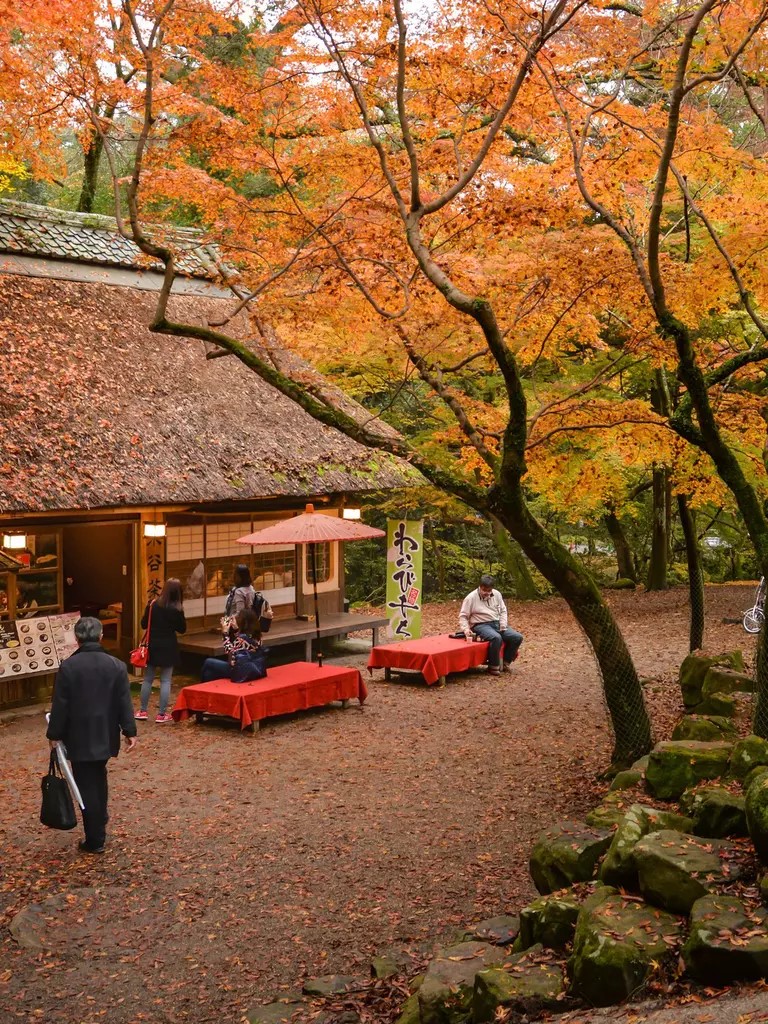
Fall offers one of the most appealing combinations in the travel calendar: changing landscapes, more comfortable temperatures and a gradual retreat from the crowds that characterize the busiest months of the year.
For travelers, the season is not simply a transition between summer and winter. It can be an opportunity to experience destinations under different conditions, with autumn colors, cultural events, outdoor activities and, in many cases, more manageable tourism demand.
One of the strongest reasons to choose fall is the balance it provides.
Summer can bring high temperatures and peak visitor numbers, while winter may introduce colder conditions and seasonal closures. Fall frequently sits between these extremes, creating a window in which travelers can explore comfortably while avoiding some of the pressures associated with peak tourism.
The economic argument is also important. Traveling during shoulder-season periods can sometimes bring lower accommodation prices and better availability, although the savings vary significantly by destination and travel dates. Lonely Planet's broader analysis of off-season travel notes that visiting outside peak periods can mean fewer crowds, better value and more opportunities to interact with local communities.
For nature lovers, autumn can be particularly rewarding.
Mountain regions and forests become major attractions as vegetation changes color. Hiking conditions can also improve in places where summer heat makes long outdoor activities uncomfortable.
Patagonia, for example, can offer striking red and golden foliage during its early fall, alongside cooler temperatures and smaller visitor numbers. This combination can make hiking and accommodation easier to manage than during the busiest periods.
Switzerland provides another interpretation of the autumn experience.
Lucerne combines a historic urban setting with surrounding mountain scenery, allowing visitors to move between cultural attractions and outdoor landscapes. October and November can offer a relatively short window between the summer and winter peaks, although the destination remains expensive compared with many alternatives.
The advantage of fall is therefore not always about finding a cheap destination.
Sometimes the value comes from accessing an otherwise expensive location during a quieter period.
This is an increasingly important consideration as travelers become more conscious of the relationship between price, crowd levels and overall experience.
Vancouver is another example of how a major city can change character during autumn.
Once the summer rush fades, parks and residential streets take on seasonal colors, while museums, bookstores, restaurants and other indoor attractions become increasingly relevant as cooler and wetter weather arrives. Lonely Planet notes that fall prices in Vancouver can be substantially lower than during the summer peak.
The same principle can apply to cities across Asia.
Bangkok, for instance, experiences significant rainfall in October, but the trade-off can be fewer tourists, cleaner air and more competitive deals. For travelers who can tolerate wet weather, this can create a different and quieter way to experience the city.
Not every destination needs to offer spectacular foliage to qualify as a strong fall choice.
The most attractive destinations are often those where the season improves the overall travel equation.
That may mean lower demand, more comfortable sightseeing conditions, access to seasonal cuisine, cultural activities or better opportunities to explore without advance reservations.
The shift in tourism demand is strategically significant for destinations themselves.
Travel businesses traditionally depend heavily on summer and holiday peaks. Extending demand into the shoulder seasons can help hotels, restaurants, transportation providers and attractions generate revenue over a longer period.
For destinations facing overtourism, distributing visitors across more months can also reduce some pressure on infrastructure.
However, travelers should not assume that every autumn destination will automatically be quiet.
The most famous fall attractions can become extremely busy precisely because travelers are seeking seasonal experiences.
The key is timing.
A destination may be relatively calm at the beginning or end of a season and crowded during a short period when foliage, festivals or favorable weather reach their peak.
That makes flexibility one of the most valuable tools for autumn travel.
Travelers can also look beyond the obvious destinations.
Instead of choosing only the most famous city or national park, they can explore nearby towns and secondary destinations that offer similar scenery with less demand.
This approach can improve the travel experience while also spreading tourism spending to smaller local economies.
Fall is particularly suitable for travelers interested in road trips.
Changing landscapes become part of the journey itself, while driving allows visitors to connect several destinations rather than remaining in one heavily visited location.
Mountain roads, forest routes and coastal highways can become attractions in their own right during the season.
The season also creates opportunities for food-focused travel.
Autumn is closely associated with harvests in many parts of the world, bringing seasonal produce, local markets and regional culinary traditions to the forefront.
For travelers interested in food and culture, this can make the timing of a trip as important as the destination itself.
In Southeast Asia, the calculation is different.
Luang Prabang in Laos, for example, can offer a slower experience during its rainy season, when showers are often followed by sunshine. The trade-off is humidity and more difficult trail conditions, but visitors can benefit from thinner crowds and a quieter atmosphere around temples and natural attractions.
This illustrates an important principle of seasonal travel: the best time to visit is not necessarily the time with the most perfect weather.
Travelers increasingly evaluate destinations according to what they are willing to trade.
A little rain may be worthwhile if it means lower prices and fewer visitors. Cooler temperatures may be an advantage for hiking. A quieter city may be preferable to a destination at the height of its tourist season.
Cape Town demonstrates another variation.
During its winter, cooler temperatures can create favorable conditions for safari and whale watching, while the city itself continues to offer gardens, cultural neighborhoods and nearby wine regions.
The broader lesson is that travelers should match the season with the type of experience they want.
Those seeking foliage and hiking should prioritize mountain and forest destinations.
Those looking for culture and urban exploration can choose cities where cooler weather makes walking and indoor attractions more enjoyable.
Those focused on value can target destinations where shoulder-season prices fall significantly.
And travelers seeking solitude may benefit most from places where weather or seasonal conditions naturally discourage large crowds.
Planning remains essential.
Fall weather can be unpredictable, particularly in mountainous regions. Roads and trails may become difficult, while some attractions begin reducing operating hours as winter approaches.
Travelers should therefore check local weather forecasts, transportation conditions and seasonal opening schedules before departure.
Flexible accommodation policies can also be useful when traveling during periods with unstable weather.
The rise of shoulder-season travel reflects a broader transformation in tourism.
Visitors are increasingly looking for experiences rather than simply ticking destinations off a list. They want better value, fewer crowds and more meaningful interaction with local environments.
Destinations, meanwhile, have an incentive to respond by developing attractions and events that can generate demand beyond the traditional summer peak.
This creates a mutually beneficial model.
Travelers receive greater flexibility and potentially better value, while destinations can reduce their dependence on short periods of extreme demand.
Ultimately, the best fall destination is not necessarily the one with the most dramatic autumn photograph.
It is the place where the season improves the relationship between weather, price, accessibility, culture and experience.
From mountain landscapes in Patagonia to the historic streets of Lucerne and the quieter urban atmosphere of Vancouver, autumn demonstrates that travel does not have to follow the traditional summer calendar.
For travelers willing to accept a little uncertainty and plan around seasonal conditions, fall can deliver some of the year's most distinctive journeys.
News You Should See
2026 Nobel Medicine Prize Honors Scientists Behind Optogenetics Breakthrough
Oil Prices Edge Lower as Stronger Middle East Exports and G7 Reserves Ease Supply Concerns
Trump Offers U.S. Assistance to Russia After Death at Siberian Plague Research Institute
Trump Takes Economic Message to Nebraska as GOP Faces Rising Cost-of-Living Pressure
U.S. Appeals Court Weighs Trump Administration’s $2.6 Billion Harvard Funding Fight
U.S. Midterm Elections Begin With Resilient Jobs Market and Persistent Cost Pressures
Latest News
The 2026 Nobel Prize in Physiology or Medicine honors Karl Deisseroth, Peter Hegemann and Georg Nagel for pioneering research behind optogenetics and its impact on neuroscience.
Oil prices edged lower as stronger Middle Eastern exports and a planned G7 release of 100 million barrels eased immediate supply concerns, while Gulf security risks and the Strait of Hormuz kept markets alert.
President Donald Trump said the United States would help Russia if needed after a laboratory worker died at a Siberian plague research institute, as Russian authorities imposed precautionary quarantine measures.
Trump’s Nebraska campaign stop highlights rising fuel and grocery costs, beef prices and growing economic pressure on Republicans ahead of the November midterm elections.
A U.S. appeals court is reviewing the Trump administration’s effort to cut Harvard’s federal research funding, with more than $2.6 billion at stake.
The U.S. enters the 2026 midterm elections with unemployment at 4.2%, while higher living and energy costs create economic pressure for households and businesses.
US services growth eased in September as input prices climbed to their highest level since July 2022, with fuel costs, supply-chain disruptions and strong demand increasing pressure on businesses.
Rising Treasury yields are increasing U.S. borrowing costs as Washington manages record debt, persistent inflation and strong economic demand, narrowing its policy options.
A EGP 16 million corporate partnership will establish and equip a bone marrow transplant unit at Cairo’s Coptic Hospital, supporting access to specialized treatment for patients.