When Exercise Meets Emotion: The New Business of Working Out Through Grief and Rage
Emotion-focused fitness is turning workouts into spaces for community, identity and emotional expression, while psychologists warn that exercise should complement—not replace—evidence-based mental health support.


A new segment of the fitness industry is beginning to redefine what a workout can represent. Instead of treating exercise solely as a way to improve physical strength, endurance or appearance, a growing number of classes are being designed around emotional experiences such as grief, anger, anxiety and heartbreak. The concept is creating a different kind of wellness environment in which participants are invited to move their bodies while also acknowledging difficult emotions.
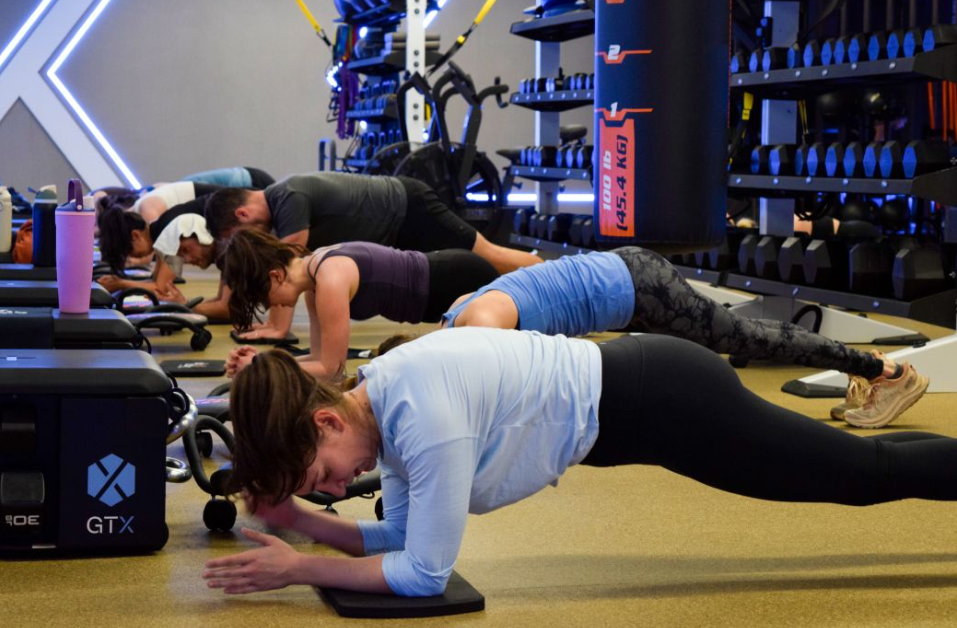
One example comes from New York, where fitness instructor Sylvia Borowska recently collaborated with Grief, Sweat & Tears, an initiative that organizes monthly pop-up workouts specifically for people experiencing grief. During one Liftonic weight-training session, almost every participant was already crying before the workout began. Borowska asked the group to select the heaviest weight they could safely handle and imagine carrying it on their shoulders, back or chest. Participants were then encouraged to perform deadlifts for a period representing how long they had been grieving the person they lost. The $30 class was structured around the idea of bringing grief and physical movement into the same space.
For Borowska, the session also carried a personal dimension. Although she had been teaching Liftonic weight-training classes for approximately five years, the grief-focused event was the first occasion on which she began a class by publicly discussing the loss of her mother to lung disease. The workout therefore became more than a conventional exercise session. It functioned as a physical ritual through which participants could acknowledge loss, share an experience and create a sense of collective strength.
Grief, Sweat & Tears was founded in December 2025 by Betsy Kaplan after her own experience with loss. Following the death of her father by suicide eight years earlier, Kaplan felt that she did not have an accessible grief-oriented community in New York. Rather than creating another formal support environment in which participants would feel obligated to tell their stories, she envisioned what she describes as a low-pressure space. People could attend primarily to exercise while naturally meeting others who understood what grief felt like.
The model reflects a wider transformation in the fitness market. Rage-oriented cycling, anxiety-focused yoga and other emotion-centered classes have gained visibility as consumers increasingly look for wellness experiences that address psychological states alongside physical health. Fitness is consequently moving beyond the traditional promise of a stronger body and becoming a potential environment for social connection, emotional expression and identity formation.
This shift is commercially significant because the modern wellness consumer is often purchasing an experience rather than simply purchasing access to exercise equipment. A conventional gym sells facilities, machines and training programmes. An emotion-centered fitness concept can sell something more intangible: belonging, recognition and a narrative that helps customers understand why they are participating.
The community component may be particularly valuable for people experiencing grief. Dr. Ryan Martin, a psychologist and author who studies emotions, noted that a person seeking a grief or trauma support group might find a traditional support environment intimidating. A workout built around grief may offer a less direct entry point because participants can connect through physical activity without being required to make their emotional experience the sole subject of interaction.
That distinction is central to the design strategy behind these classes. The workout provides a shared task, while the emotional theme creates a common context. Participants are not necessarily required to sit in a circle and explain their pain. Instead, they can exercise alongside people who have experienced similar losses and allow relationships to develop organically.
The results reported by Grief, Sweat & Tears illustrate the potential scale of this model. According to Kaplan, approximately 400 people had participated in one of the organization's classes during its first six months. Participants also developed relationships outside the workouts, demonstrating how a fitness event can evolve into a broader social network.
One participant, Jake Montiel, lost his mother three years after turning 30 and initially felt frightened about saying his grief aloud. Yet the structure of the group helped him connect with another participant who had also lost her mother. Their relationship developed through both the emotional context and the workout itself. The experience demonstrates how physical activity can act as a social bridge without requiring participants to define themselves exclusively through their grief.
A different interpretation of emotion-based fitness can be found at E-motion Fitness in Westminster, Colorado. The venue combines elements of a rage room, gym and sanctuary. Participants can smash paint-filled glass bottles against walls after identifying emotions such as anger or fear. Trainers then guide them through a 45-minute full-body workout before moving the group into a recovery environment featuring art and quieter music.
For Elisa Thurston, who organized an event there around her engagement, the concept represented an alternative way of dealing with emotional pressure. She had previously used the environment during experiences including a breakup, feelings of inadequacy and frustration at work. Rather than relying exclusively on conversation, she described the combination of movement, reflection and group interaction as a way of engaging with difficult experiences through the whole body.
From a branding perspective, this is an important evolution. E-motion Fitness does not position itself simply as a gym. Its identity is built around a broader emotional promise: a place where people can physically express difficult feelings, exercise and then transition into a calmer environment. The physical design of the venue reinforces that positioning by dividing the experience into distinct emotional stages.
However, the growing popularity of these concepts is developing faster than the scientific evidence supporting their specific structures. Martin cautions that there is still limited research demonstrating that a particular workout format is an effective method for processing grief, rage or heartbreak. The popularity of the concept therefore reflects consumer demand and cultural trends more strongly than a settled psychological consensus.
This distinction matters because exercise can affect the body in ways that do not always correspond with emotional regulation. During cardiovascular exercise, heart rate increases and muscles remain active and tense. For someone experiencing acute anxiety or panic-related difficulties, those physical sensations can resemble aspects of a panic response. Martin therefore warns that intense exercise is not automatically appropriate for everyone, particularly when a person is already experiencing severe emotional distress.
The idea that exercise simply "releases" negative emotions also deserves caution. People frequently describe boxing, running or intense workouts as a way of getting anger out of their system. But psychological research does not necessarily support the assumption that aggressively expressing anger will make the emotion disappear. A 2024 study from Ohio State University cited in the report found that venting anger can potentially maintain the emotional state rather than eliminate it.
This creates an important distinction between emotional expression and emotional processing. Exercise may provide an environment in which someone feels supported, connected and physically engaged, but those benefits should not automatically be interpreted as proof that the workout itself is treating grief or trauma.
There is nevertheless evidence that physical activity can play a positive role in mental wellbeing. A March study involving refugees who had experienced significant trauma found that a 10-week physical activity programme was associated with significant reductions in symptoms of post-traumatic stress disorder, depression and anxiety. Yet researchers still do not know precisely why the intervention worked. The benefits could have resulted from exercise itself, from feeling safe while participating, from social connection or from a combination of these factors.
That uncertainty provides an opportunity for thoughtful service design. Rather than presenting a workout as a replacement for therapy, fitness providers can position exercise as one component of a broader wellness ecosystem. The experience can combine movement, community, reflection and access to appropriate professional resources without claiming that physical activity alone can resolve complex psychological conditions.
The economic opportunity is also considerable. Fitness businesses are increasingly competing in a crowded wellness market where consumers can choose gyms, boutique studios, digital workout platforms, running clubs, yoga communities and specialised wellness programmes. Emotion-based fitness gives operators a way to differentiate their offer by targeting a specific emotional need rather than competing only on equipment, location or workout intensity.
The model also transforms the meaning of membership. Traditional fitness customers may join because they want weight management, strength development or cardiovascular health. A participant in a grief-centered class may return because the experience provides social recognition and a sense of belonging. That creates a different form of customer loyalty: the brand becomes connected not only to physical performance but also to a meaningful personal experience.
The social-networking dimension reinforces that opportunity. Meetup reports more than three million registered members across approximately 2,200 fitness groups worldwide, illustrating the scale of demand for exercise environments that also function as social spaces. Emotion-centered classes add another layer by creating communities around shared experiences rather than simply shared sporting interests.
Brand identity is therefore becoming inseparable from emotional architecture. A wellness company can differentiate itself through the way it designs the physical environment, the language used in marketing, the rituals built into classes and the communities it facilitates. Saying a person's name at the beginning of a grief workout, for example, creates a distinctive ritual that communicates the values of remembrance and recognition.
At the same time, businesses entering this space face a significant ethical responsibility. Emotional vulnerability can create a powerful connection between a customer and a brand, but that relationship should not be exploited. Marketing that promises emotional healing through a single workout could create unrealistic expectations and undermine trust. A responsible brand should clearly distinguish between wellness support and professional mental health treatment.
Experts also recommend maintaining personal choice within emotion-centered exercise. Dr. Ethan Kross, a professor of psychology and management at the University of Michigan, encourages people to experiment with different approaches while retaining the ability to stop or opt out when necessary. This is particularly relevant to classes designed around intense emotions, because participants may respond very differently to the same physical activity.
The broader wellness industry may ultimately move toward more personalised emotional fitness. Instead of selecting a class exclusively by activity—such as cycling, strength training or yoga—consumers may increasingly select experiences according to how they feel: anxious, frustrated, lonely, grieving or emotionally exhausted.
That shift would represent a change in the basic architecture of fitness consumption. Exercise would no longer be marketed only as a tool for improving physical metrics. It would also become a service designed around specific emotional contexts. Such positioning could create new business categories, new studio concepts and new forms of community-led wellness.
Yet the strongest version of this model may not be the one that promises the most dramatic emotional transformation. It may be the one that recognises the limits of exercise while using movement as an accessible doorway into connection and self-care.
For people experiencing profound grief or trauma, Martin recommends not relying solely on exercise classes. Therapy, group therapy and other professional forms of support can play an important role. He also points to other approaches, including speaking with a doctor about medication when appropriate, spending time in nature and reading books about grief.
Kross similarly recommends recognising that people have multiple tools available for processing difficult experiences. One strategy involves changing the way people speak to themselves: someone engaging in negative self-talk can consider how they would speak to a close friend experiencing the same situation. Another approach involves adopting a more detached perspective, observing what is happening rather than becoming completely immersed in it.
The most compelling aspect of emotion-centered fitness may therefore be its ability to create a middle ground between conventional exercise and formal therapy. It gives people a reason to leave home, move their bodies and encounter others while allowing emotional experiences to exist in the background or foreground according to the participant's needs.
In New York, the story of Grief, Sweat & Tears demonstrates how that model can develop into a genuine community. Participants may arrive carrying an intensely personal loss, but the class provides a structured activity through which they can meet others, build relationships and create routines. The emotional experience remains significant, but it is no longer necessarily experienced in isolation.
That social dimension may ultimately be the strongest strategic asset of these businesses. The value is not simply in burning calories or lifting weights. It is in designing a setting where people feel understood without being required to explain themselves continuously.
The emerging category also illustrates a broader change in consumer expectations. Wellness brands are increasingly expected to recognise that physical health, emotional wellbeing and social connection overlap. Consumers are looking for products and services that fit into their lives as complete experiences rather than isolated transactions.
The challenge will be maintaining a balance between innovation and evidence. Emotion-based workouts can create meaningful communities and potentially support wellbeing, but their specific therapeutic claims require stronger scientific validation. The future of the category will depend on whether operators can combine compelling design and strong community identity with responsible communication about what exercise can and cannot accomplish.
For the fitness industry, that may be the real opportunity: not to turn every workout into therapy, but to redesign exercise as a more emotionally intelligent social experience. For consumers, the lesson is equally practical. Movement can be one useful tool for navigating difficult periods, but it works best when combined with rest, social support, self-awareness and professional care when needed.
The rise of grief workouts, rage-oriented fitness and anxiety-focused classes is therefore more than a novelty in the wellness market. It reflects a growing desire to make physical activity responsive to the emotional realities of everyday life. If the industry can develop these experiences with transparency, evidence and thoughtful design, fitness may become not only a place where people train their bodies, but also a place where communities help one another navigate the experiences that shape them.
News You Should See
2026 Nobel Medicine Prize Honors Scientists Behind Optogenetics Breakthrough
Oil Prices Edge Lower as Stronger Middle East Exports and G7 Reserves Ease Supply Concerns
Trump Offers U.S. Assistance to Russia After Death at Siberian Plague Research Institute
Trump Takes Economic Message to Nebraska as GOP Faces Rising Cost-of-Living Pressure
U.S. Appeals Court Weighs Trump Administration’s $2.6 Billion Harvard Funding Fight
U.S. Midterm Elections Begin With Resilient Jobs Market and Persistent Cost Pressures
Latest News
The 2026 Nobel Prize in Physiology or Medicine honors Karl Deisseroth, Peter Hegemann and Georg Nagel for pioneering research behind optogenetics and its impact on neuroscience.
Oil prices edged lower as stronger Middle Eastern exports and a planned G7 release of 100 million barrels eased immediate supply concerns, while Gulf security risks and the Strait of Hormuz kept markets alert.
President Donald Trump said the United States would help Russia if needed after a laboratory worker died at a Siberian plague research institute, as Russian authorities imposed precautionary quarantine measures.
Trump’s Nebraska campaign stop highlights rising fuel and grocery costs, beef prices and growing economic pressure on Republicans ahead of the November midterm elections.
A U.S. appeals court is reviewing the Trump administration’s effort to cut Harvard’s federal research funding, with more than $2.6 billion at stake.
The U.S. enters the 2026 midterm elections with unemployment at 4.2%, while higher living and energy costs create economic pressure for households and businesses.
US services growth eased in September as input prices climbed to their highest level since July 2022, with fuel costs, supply-chain disruptions and strong demand increasing pressure on businesses.
Rising Treasury yields are increasing U.S. borrowing costs as Washington manages record debt, persistent inflation and strong economic demand, narrowing its policy options.
A EGP 16 million corporate partnership will establish and equip a bone marrow transplant unit at Cairo’s Coptic Hospital, supporting access to specialized treatment for patients.