What Is the World Health Organization, and Why Did Trump Decide to Leave It?
What Is the World Health Organization, and Why Did Trump Decide to Leave It?

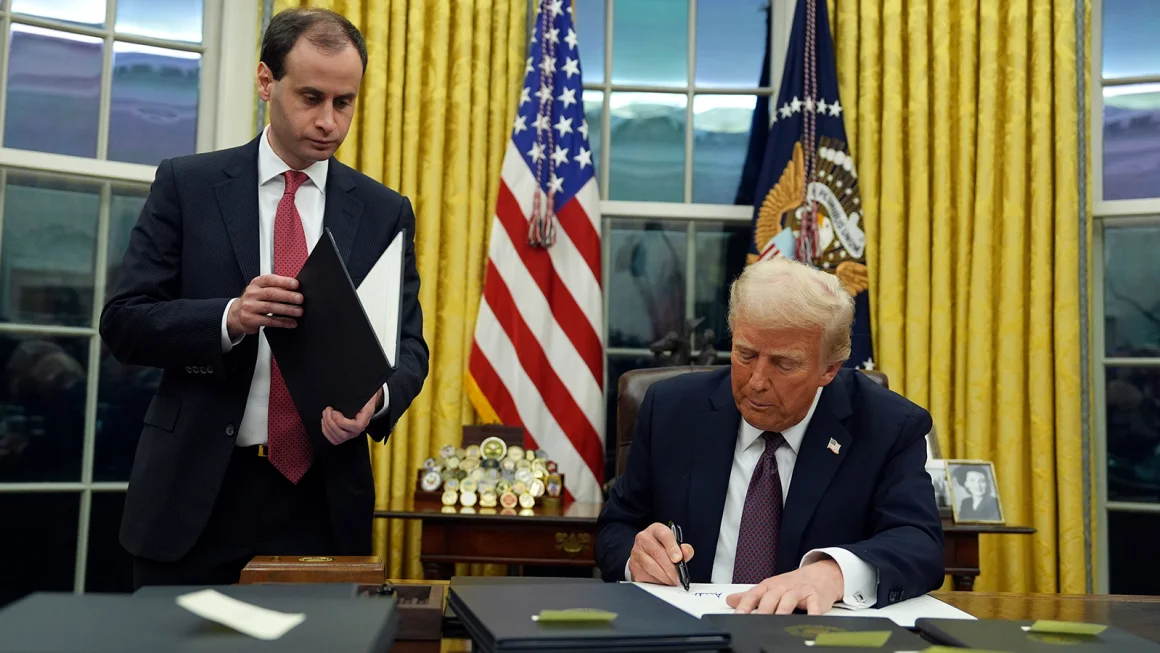
“That’s a big one,” Donald Trump remarked on Monday as he signed an executive order—one of many issued during his first hours as president—to withdraw the United States from the World Health Organization (WHO).
But what prompted this decision, and what could be its consequences? WHO, the United Nations health agency responsible for safeguarding global health and security, receives nearly one-fifth of its funding from the U.S.
Trump has condemned WHO as “corrupt,” accusing it of taking advantage of the U.S., and many of his supporters have grown increasingly skeptical of the value of international organizations. However, experts warn that losing WHO’s most influential member could have serious repercussions for global health.
In a statement on Tuesday, WHO expressed regret over the U.S. decision, emphasizing that it had implemented the most extensive reforms in its history over the past seven years to enhance accountability, cost-effectiveness, and impact in various countries.
Lawrence Gostin, a public health law professor at Georgetown University, called the U.S. withdrawal the “most significant” of all the executive orders signed on Monday, cautioning that it “could be laying the groundwork for the next pandemic.”
So, what does Trump’s decision mean for WHO and global health at large?
What Is WHO and What Does It Do?
WHO is one of several global institutions established in the aftermath of World War II. In an effort to move beyond nationalism and conflict, nations agreed to relinquish some aspects of their sovereignty for the collective good.
Founded in 1948, WHO was created to protect global health. Its founding constitution, signed by all UN members at the time, warned that disparities in healthcare systems posed a “shared threat.” The agency’s mission is to ensure that all people attain the highest possible level of health.
At the time of its founding, then-U.S. Surgeon General Thomas Parran described WHO as more than just a health agency, calling it a “powerful tool for peace” that would contribute to global harmony.
Today, WHO operates in over 150 countries, leading efforts to expand universal health coverage and coordinating international responses to health crises, including outbreaks of yellow fever, cholera, and Ebola.
Despite its critical role, WHO has faced criticism for inefficiency, lack of transparency, dependence on private donors, and political constraints.
News You Should See
Queens Celebrates Arts, Music and Family Activities with Diverse Weekend Events
Hollywood Faces New AI Debate as Startup Explores Selling Digital Versions of Human Faces
Arsenal Face Goalkeeping Concerns After David Raya Injury
European Leaders Urge New Iran Policy, Back Democratic Opposition and Reject Monarchy
Bayonne Mayor Sharon Ashe-Nadrowski Joins Thanksgiving Turkey Drive, Praises Community Organizations and Invites Residents to Attend
Seattle Communities Celebrate Holiday Season with Local Markets and Cultural Activities
Latest News
Queens hosts a weekend of cultural events featuring artisan markets, children's classical music activities, documentary screenings, gardening workshops and theater.
A microdrama startup explores selling AI-generated digital faces, raising concerns about consent, ownership, compensation, and the future of Hollywood performers.
Arsenal draw 2-2 with Newcastle as goalkeeper David Raya suffers an injury, raising concerns for Mikel Arteta ahead of upcoming Premier League fixtures.
Former European leaders and parliamentarians call for a new Western policy toward Iran, supporting an Iranian-led democratic transition and stronger human rights measures while rejecting a return to monarchy.
Bayonne Mayor Sharon Ashe-Nadrowski joins a Thanksgiving turkey drive with local organizations, police officers, and volunteers to support families.
Explore holiday markets, handmade gifts, live music, and cultural events in Shoreline and Lake Forest Park, Washington, on November 22.
Nvidia faces contrasting industry expectations as AI demand grows, with its financial performance and leadership shaping the future of computing.
Signal introduces mobile screenshot restrictions on Android and iOS as concerns grow over AI-powered surveillance and digital privacy.
AI agents are transforming messaging platforms by helping users organize daily activities, plan travel, manage work, and complete everyday tasks.