Waymo Targets Munich as Its Next European Test of Robotaxi Scale
The Alphabet-backed autonomous mobility company is preparing a phased German rollout that combines street mapping, supervised testing, regulatory engagement and a long-term commercial expansion strategy.

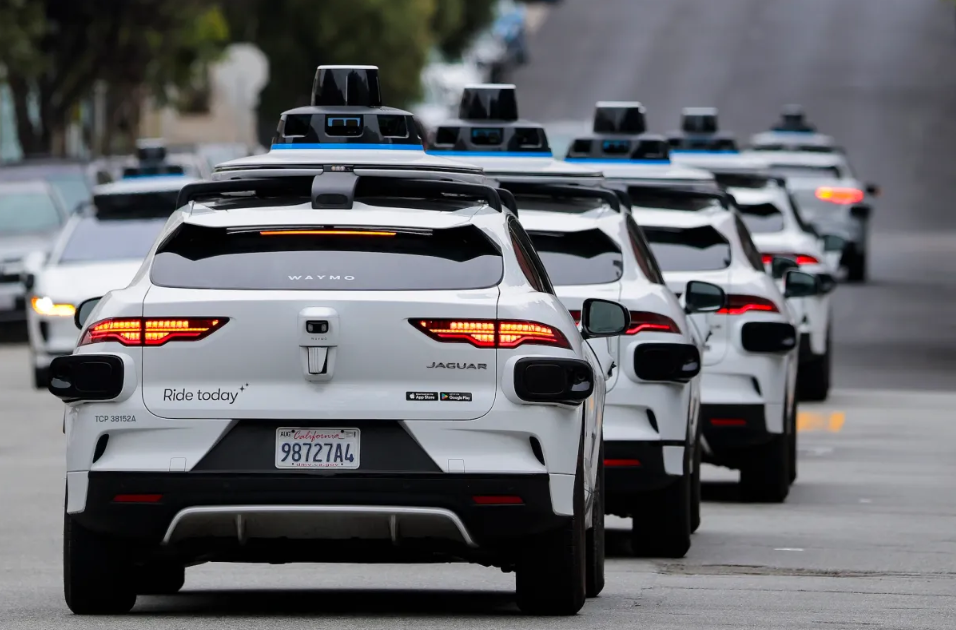
Waymo is positioning Munich as a major European step in its strategy to turn autonomous driving from a controlled technology demonstration into a scalable transportation business. The Alphabet-backed company plans to establish a robotaxi operation in the German city, but the commercial launch is not immediate. The rollout must first pass through mapping, autonomous testing, regulatory approval and a controlled introduction of the service.
The strategy follows a phased model already used by Waymo in its existing commercial markets. The company will initially drive its vehicles manually through Munich to build detailed maps of the operating environment. It will then transition to autonomous testing with human safety drivers before moving toward driverless operation. During this development stage, employees, media representatives and selected guests may be given access to the vehicles.
Once the necessary approvals are secured, Waymo expects to move from limited availability toward broader public access, with commercial ride-hailing in Munich targeted for the end of 2027. The timetable demonstrates that Waymo views regulatory readiness and operational reliability as essential parts of its European expansion model rather than obstacles that can be addressed after deployment.
Germany is particularly significant because it created an EU-leading legal framework for Level 4 automated driving, under which the automated driving system can perform the entire driving task within defined operating conditions without expecting a human driver to take over. This framework has helped make Germany an important testing market for autonomous-vehicle developers.
Waymo nevertheless enters a competitive environment. Companies including Mobileye and Volkswagen already hold testing permits, while other autonomous-driving developers operate under Level 3 permissions that still require the human driver to remain capable of taking control.
Munich therefore represents more than another geographic launch target. It is a strategic test of whether Waymo can reproduce its operational model in a market where regulation, local infrastructure and established automotive players create different conditions from those of the United States. The company’s planned German presence also strengthens the international identity of Waymo as a dedicated autonomous-mobility brand rather than a technology platform limited to selected American cities.
The move forms part of a wider European race. London is emerging as another important robotaxi market, with Waymo planning commercial operations there while competing with players such as Wayve and Uber, alongside new autonomous-vehicle testing activity involving Baidu.
Waymo’s Munich plan consequently combines technology deployment, regulatory positioning and brand expansion. Success will depend not only on whether the vehicles can drive autonomously, but also on whether the company can translate its safety, operational and commercial model into a European urban environment at a scale that supports a sustainable robotaxi business.
News You Should See
2026 Nobel Medicine Prize Honors Scientists Behind Optogenetics Breakthrough
Oil Prices Edge Lower as Stronger Middle East Exports and G7 Reserves Ease Supply Concerns
Trump Offers U.S. Assistance to Russia After Death at Siberian Plague Research Institute
Trump Takes Economic Message to Nebraska as GOP Faces Rising Cost-of-Living Pressure
U.S. Appeals Court Weighs Trump Administration’s $2.6 Billion Harvard Funding Fight
U.S. Midterm Elections Begin With Resilient Jobs Market and Persistent Cost Pressures
Latest News
The 2026 Nobel Prize in Physiology or Medicine honors Karl Deisseroth, Peter Hegemann and Georg Nagel for pioneering research behind optogenetics and its impact on neuroscience.
Oil prices edged lower as stronger Middle Eastern exports and a planned G7 release of 100 million barrels eased immediate supply concerns, while Gulf security risks and the Strait of Hormuz kept markets alert.
President Donald Trump said the United States would help Russia if needed after a laboratory worker died at a Siberian plague research institute, as Russian authorities imposed precautionary quarantine measures.
Trump’s Nebraska campaign stop highlights rising fuel and grocery costs, beef prices and growing economic pressure on Republicans ahead of the November midterm elections.
A U.S. appeals court is reviewing the Trump administration’s effort to cut Harvard’s federal research funding, with more than $2.6 billion at stake.
The U.S. enters the 2026 midterm elections with unemployment at 4.2%, while higher living and energy costs create economic pressure for households and businesses.
US services growth eased in September as input prices climbed to their highest level since July 2022, with fuel costs, supply-chain disruptions and strong demand increasing pressure on businesses.
Rising Treasury yields are increasing U.S. borrowing costs as Washington manages record debt, persistent inflation and strong economic demand, narrowing its policy options.
A EGP 16 million corporate partnership will establish and equip a bone marrow transplant unit at Cairo’s Coptic Hospital, supporting access to specialized treatment for patients.