U.S. Uses Aircraft Parts as New Leverage in China Trade Talks
Tighter U.S. controls on aviation components expose a strategic dependence in China’s commercial aircraft sector as Washington seeks concessions on rare earths and other trade issues.

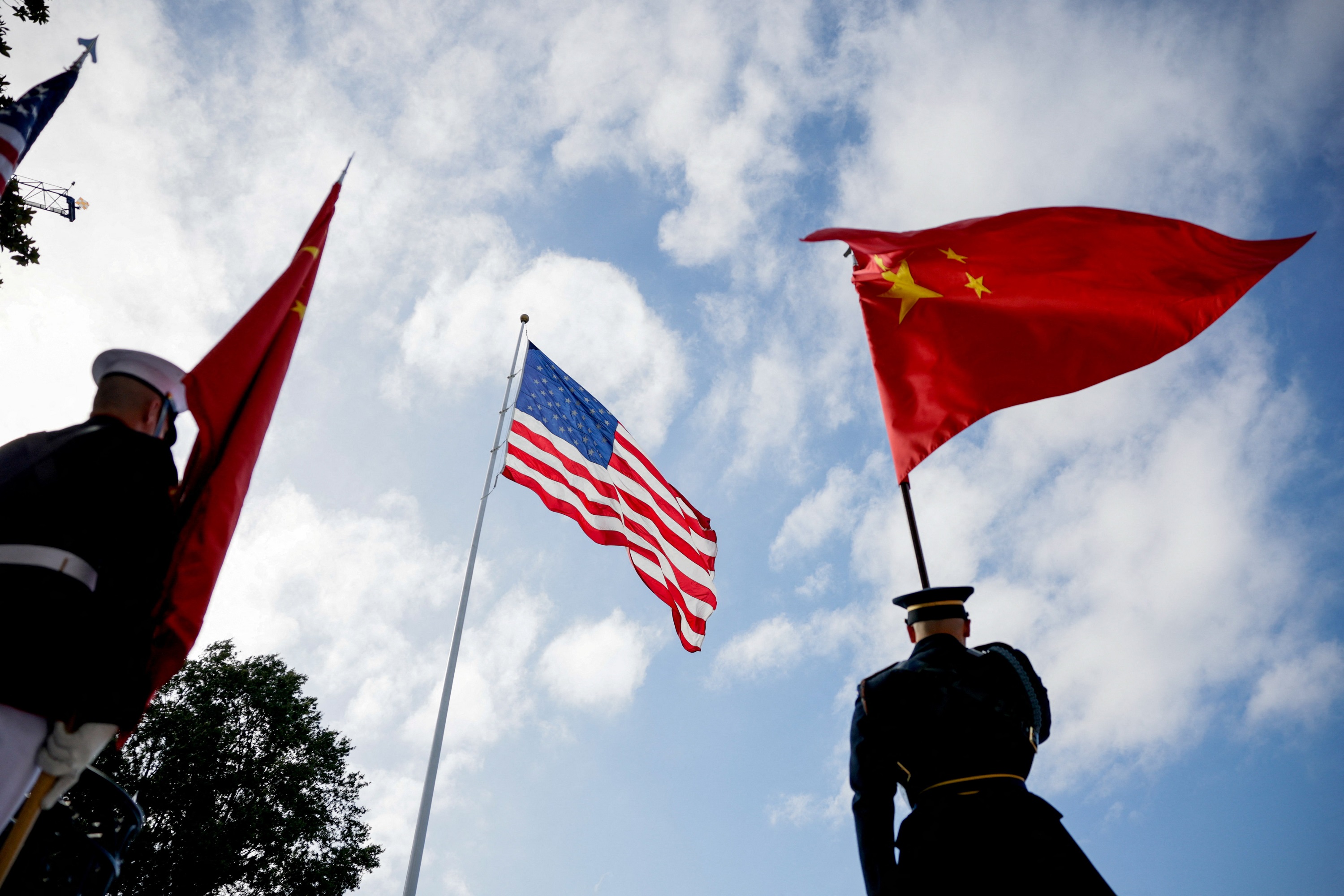
The U.S. aviation supply chain is becoming an increasingly important component of Washington’s broader economic strategy toward China, as the Trump administration slows approvals for aircraft parts and considers additional export restrictions. The measures highlight how commercial aviation, traditionally insulated from the most disruptive aspects of the U.S.-China trade conflict, is increasingly being drawn into negotiations over strategic resources, technology and industrial dependence.
The Commerce Department has slowed export licensing for aircraft components headed to China in recent weeks, while officials are considering rules that could make it easier to restrict products such as landing gear. A draft proposal has also included a licensing requirement for aviation hydraulic fluid supplied by U.S. companies. Separately, authorities have limited the number of components approved for shipment to China’s state-owned Commercial Aircraft Corporation of China, or COMAC, in an effort to prevent the manufacturer from building large inventories.
The significance of the policy goes beyond individual shipments. China’s commercial aviation industry remains dependent on foreign suppliers for critical systems and components, creating a potential vulnerability that Washington can use in negotiations. The strategy reflects a broader shift in trade policy in which access to industrial inputs is increasingly treated as a strategic asset rather than simply a matter of commercial exchange.
That dependence is particularly relevant for COMAC, which is seeking to expand production of its domestically developed commercial aircraft. Restrictions on engines, navigation systems and other components can affect not only immediate deliveries but also production planning, maintenance schedules and the pace at which Chinese manufacturers can establish a more self-sufficient aerospace ecosystem.
The pressure also reaches Chinese airlines operating Boeing and Airbus aircraft. U.S.-made components are an important part of the maintenance and support infrastructure for aircraft already flying in China, meaning restrictions can influence the economics of fleet operations even when the aircraft themselves are not directly subject to tariffs.
China has already sought several years of spare-parts supplies for 200 Boeing aircraft it agreed to purchase in the spring. U.S. officials have been reluctant to guarantee those supplies, viewing the request as a potential bargaining instrument in future negotiations. Boeing has said it remains committed to supporting Chinese airlines with the parts and services they need while complying with U.S. export requirements.
For Boeing, the situation creates a complicated commercial balance. China represents an important market for aircraft sales and long-term aftermarket services, but the company operates within a regulatory framework controlled by Washington. The ability to sell an aircraft and the ability to guarantee a stable stream of future parts are therefore becoming increasingly connected to geopolitical policy.
The same dynamic affects major U.S. aerospace suppliers. GE Aerospace, Honeywell Aerospace and other manufacturers have already faced export restrictions affecting products supplied to COMAC. Earlier measures included suspended licenses for GE jet engines and Honeywell navigation systems, while a separate licensing requirement affecting aviation hydraulic fluid was introduced and later withdrawn.
The policy also exposes the two sides’ different forms of industrial leverage. Washington is seeking greater access to Chinese rare earth minerals, which are essential to industries ranging from vehicles and semiconductors to aerospace. Beijing, meanwhile, can exert pressure through its position in critical mineral supply chains and its importance as a major aviation market. The result is an increasingly interconnected bargaining system in which restrictions in one industrial sector can be used to influence decisions in another.
This creates risks for the aerospace supply chain itself. Aviation manufacturers rely on highly specialized components that cannot always be replaced quickly by alternative suppliers. Delays in obtaining certified parts can affect maintenance and production schedules, while efforts to build additional inventories can increase working-capital requirements and encourage companies to redesign procurement strategies.
The industry was largely spared the direct impact of many U.S. tariffs imposed during the broader trade confrontation, but aerospace companies have still faced supply disruptions linked to geopolitical tensions. Chinese restrictions on rare earth materials have already contributed to difficulties obtaining some materials used in aircraft production, including thermal-coating products designed to protect jet engines.
The latest measures arrive even as Washington and Beijing have entered a temporary period of reduced trade tensions. Following recent discussions between the two governments, the existing trade truce was extended, giving negotiators until January 10, 2027, to address more difficult issues. Those talks include rare earth access, agricultural trade and artificial intelligence, while aviation supply chains are emerging as another potential area of negotiation.
For the global aerospace market, the broader implication is a growing premium on supply-chain resilience. Manufacturers and airlines may increasingly seek multiple sources for critical components, maintain larger inventories or develop alternative suppliers outside the U.S.-China trade relationship. Such adjustments could raise costs in the short term but reduce exposure to future export-control decisions.
The longer-term effect on China’s aviation strategy may be equally important. COMAC’s ambition to expand its commercial aircraft production depends not only on assembling aircraft domestically but also on building a reliable ecosystem for engines, avionics, navigation systems, materials, maintenance and replacement parts. External restrictions could therefore strengthen Beijing’s incentive to accelerate domestic development and diversify international suppliers.
For Washington, aircraft components offer a particularly sensitive form of economic leverage because the supply chain connects commercial interests with strategic technology. The challenge will be balancing that leverage against the interests of U.S. aerospace companies, which depend on global sales and long-term aftermarket relationships.
As U.S.-China negotiations continue, aircraft parts are becoming part of a much larger contest over industrial dependence. The issue is no longer simply whether a component can be exported. It is increasingly about who controls the infrastructure, technology and resources that allow modern aerospace manufacturing to operate reliably across borders.
News You Should See
2026 Nobel Medicine Prize Honors Scientists Behind Optogenetics Breakthrough
Oil Prices Edge Lower as Stronger Middle East Exports and G7 Reserves Ease Supply Concerns
Trump Offers U.S. Assistance to Russia After Death at Siberian Plague Research Institute
Trump Takes Economic Message to Nebraska as GOP Faces Rising Cost-of-Living Pressure
U.S. Appeals Court Weighs Trump Administration’s $2.6 Billion Harvard Funding Fight
U.S. Midterm Elections Begin With Resilient Jobs Market and Persistent Cost Pressures
Latest News
The 2026 Nobel Prize in Physiology or Medicine honors Karl Deisseroth, Peter Hegemann and Georg Nagel for pioneering research behind optogenetics and its impact on neuroscience.
Oil prices edged lower as stronger Middle Eastern exports and a planned G7 release of 100 million barrels eased immediate supply concerns, while Gulf security risks and the Strait of Hormuz kept markets alert.
President Donald Trump said the United States would help Russia if needed after a laboratory worker died at a Siberian plague research institute, as Russian authorities imposed precautionary quarantine measures.
Trump’s Nebraska campaign stop highlights rising fuel and grocery costs, beef prices and growing economic pressure on Republicans ahead of the November midterm elections.
A U.S. appeals court is reviewing the Trump administration’s effort to cut Harvard’s federal research funding, with more than $2.6 billion at stake.
The U.S. enters the 2026 midterm elections with unemployment at 4.2%, while higher living and energy costs create economic pressure for households and businesses.
US services growth eased in September as input prices climbed to their highest level since July 2022, with fuel costs, supply-chain disruptions and strong demand increasing pressure on businesses.
Rising Treasury yields are increasing U.S. borrowing costs as Washington manages record debt, persistent inflation and strong economic demand, narrowing its policy options.
A EGP 16 million corporate partnership will establish and equip a bone marrow transplant unit at Cairo’s Coptic Hospital, supporting access to specialized treatment for patients.