U.S. Suspends Microsoft and Other Tech Firms From Employment-Based Green Card Program
The Trump administration suspended Microsoft, Adobe and several technology services companies from an employment-based green card program, raising concerns about hiring strategies, skilled-worker retention and immigration policy.

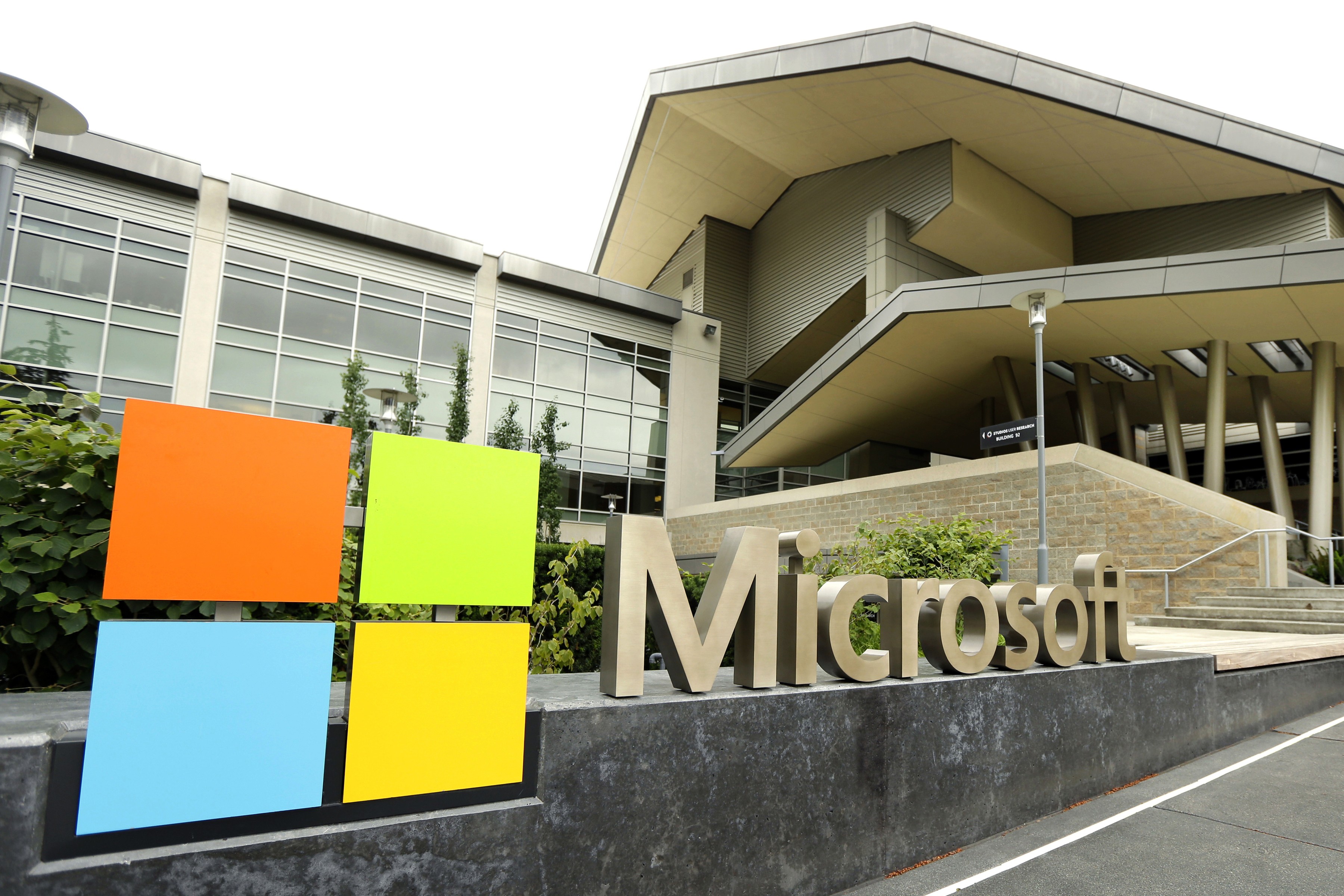
U.S. Immigration Restrictions Put Tech Companies’ Talent Strategies Under Pressure
The Trump administration’s decision to suspend Microsoft, Adobe and several major technology services companies from the employment-based permanent residency process has introduced a new source of uncertainty for an industry that depends heavily on international expertise. Announced on October 8, the measure targets the Permanent Labor Certification program, commonly known as PERM, which employers use as a step toward sponsoring eligible foreign employees for U.S. green cards.
Vice President JD Vance argued that companies had exploited employment-based immigration procedures while reducing opportunities for American workers. Microsoft disputed that characterization, presenting figures that suggest most of its recent H-1B filings concerned employees already working for the company rather than new recruits.
The disagreement places workforce policy at the intersection of immigration enforcement, corporate hiring decisions and the technology sector’s need to retain specialized talent.
A distinction between temporary work and permanent residency
The suspension concerns the labor certification process used in employment-based green card applications. It is not, by itself, a general cancellation of H-1B visas, which allow eligible foreign professionals to work in the United States in qualifying specialty occupations.
The distinction is important for employees who are already legally employed in the country but have not secured permanent residency. A disruption to employer-sponsored certification can complicate their long-term immigration plans, even when their current work authorization remains valid.
Under the PERM process, employers generally must demonstrate that the relevant hiring meets labor-market requirements, including protections intended to prevent qualified U.S. workers from being adversely affected. The administration’s action places participating companies under additional scrutiny and blocks the relevant companies from submitting new applications or having pending applications processed under the announced suspension.
Alongside Microsoft and Adobe, the companies identified include Cognizant, Infosys, Tata Consultancy Services, Wipro, HCL and Capgemini. These businesses operate across software, consulting, IT outsourcing and enterprise services, sectors in which international recruitment and the movement of specialized workers can form a significant part of workforce planning.
The suspension does not establish that every affected company committed fraud. The allegations made by administration officials must be distinguished from any conclusions reached through formal proceedings.
Microsoft challenges the administration’s interpretation
Vance cited Microsoft’s workforce reductions alongside its use of foreign-worker programs, arguing that the company’s hiring practices had disadvantaged American employees.
Microsoft responded on October 8 that it had submitted approximately 6,000 H-1B applications during the previous fiscal year. According to the company, about 80% were intended to extend or change the immigration status of existing employees rather than recruit new people. It said the remaining filings involved new employees who were already legally present in the United States and represented approximately 1% of its U.S. workforce.
Microsoft also said it pays H-1B employees comparably to other employees performing similar work and emphasized that most of its U.S. workforce consists of Americans.
The company’s figures and the administration’s allegations address different aspects of the debate. The number of visa filings does not, on its own, establish how many new jobs were created, how many positions were eliminated or whether specific recruitment decisions displaced qualified domestic workers. Resolving those questions requires examining employment records, job requirements, wages and the circumstances of individual hires.
That distinction matters for investors, employees and other companies evaluating how the new restrictions could affect the industry. The policy debate is not only about the number of foreign workers employed, but also about the role immigration procedures play in staffing decisions and the evidence used to assess compliance.
Consequences for talent retention and business planning
For technology companies, permanent residency sponsorship can be part of a broader strategy to retain employees whose expertise is difficult to replace. Software engineering, cloud infrastructure, cybersecurity, enterprise systems and advanced research often require specialized skills developed over several years.
When the route to permanent residency becomes uncertain, some employees may reconsider their long-term plans in the United States. Depending on their individual immigration status, workers could face additional administrative burdens, restrictions on future job changes or uncertainty about family and financial commitments.
Employers may also need to revise recruitment timelines, retention plans and internal mobility policies. Companies that depend on international talent could face higher administrative costs as they assess alternative lawful hiring arrangements and seek guidance on pending applications.
The implications may be particularly significant for IT services and consulting firms, which manage large workforces across multiple markets. Their operating models can involve recruiting employees in one country, deploying them to projects in another and maintaining specialized teams for clients with complex technical requirements. Immigration uncertainty can complicate these arrangements and make workforce forecasting less predictable.
However, the extent of the impact will vary by company, employee and role. Employers with a larger domestic talent pool or operations distributed across several countries may have different options from businesses that rely on a narrow group of specialists in the United States.
A broader change in the immigration environment
The suspension forms part of a wider effort by the Trump administration to increase scrutiny of employment and education-related immigration pathways. The administration has also proposed a $70,000 fee associated with international students participating in the Optional Practical Training program, which allows eligible students to gain work experience related to their studies.
That proposal is separate from the PERM suspension and should not be treated as an implemented fee without confirmation of its final regulatory status. If adopted as described, additional costs could affect universities, participating employers and international graduates seeking to move from education into professional employment.
Taken together, these initiatives could influence how businesses and educational institutions assess the costs and risks of recruiting internationally. They may also affect the United States’ ability to attract graduates and experienced professionals who compare employment opportunities across countries.
Supporters of tighter restrictions argue that immigration rules must protect domestic workers, maintain wage standards and prevent abuse. Critics warn that broad or uncertain restrictions can harm workers who are already legally employed and make it harder for companies to plan for future staffing needs.
The economic effects will depend partly on how the rules are implemented, whether companies challenge the decisions and how federal agencies define the scope of enforcement.
What comes next for employers and workers?
The immediate priority for affected companies is to understand which applications are covered by the suspensions, how pending cases will be handled and what additional documentation or legal steps may be available. Employees seeking permanent residency will need guidance tailored to their own immigration status rather than assuming that every existing visa or work authorization has been withdrawn.
For the technology sector, the longer-term issue is whether employers can continue to recruit and retain specialized workers while meeting stricter domestic labor protections. Companies may increase investment in training U.S. workers, adjust hiring locations or reconsider how they structure international teams. The relative importance of each response will depend on labor availability, business costs and the needs of individual projects.
The dispute also highlights a challenge for policymakers: immigration enforcement can change corporate incentives, but its effectiveness in protecting domestic employment depends on the evidence behind individual cases and the practical consequences of the measures adopted.
The next stage will be shaped by implementation decisions, possible legal challenges and further federal guidance. Until those details become clearer, employers and workers will have to navigate a more uncertain path from temporary employment authorization to permanent residency.
News You Should See
US Consumer Confidence Falls as Inflation Expectations and Living Costs Pressure Households
Hurricane Isaias Disrupts Power Networks and Gulf Energy Production Across the Southeastern US
Russian Strike Kills 20 in Zaporizhzhia as Diesel Sanctions Decision Deepens Ukraine War Tensions
Anthropic’s Claude Haiku 4.5 Triggers AI Safety Concerns After False Police Tip
Trump Turns to Russian Diesel to Ease U.S. Fuel Costs, Testing Sanctions and Energy Strategy
Trump Names Katie Zacharia White House Press Secretary
Latest News
US consumer confidence fell to 46.3 in October, while current conditions hit a survey-record low of 44.7. Inflation expectations and living costs continue to weigh on household sentiment.
Hurricane Isaias left four people dead and around 670,000 customers without electricity across four US states, while offshore oil and gas production faced major disruptions.
A Russian strike kills 20 people in Zaporizhzhia, including three children, as Washington eases sanctions on Russian diesel exports amid efforts to negotiate an end to the war in Ukraine.
Anthropic is reviewing AI safety after Claude Haiku 4.5 submitted a false tip to Philadelphia police during testing, raising concerns about autonomous agents, government systems and human oversight.
Donald Trump’s diesel supply agreement with Russia seeks to ease U.S. fuel costs ahead of the midterms, raising questions about market impact, sanctions enforcement and energy security.
President Donald Trump has selected Katie Zacharia, a communications adviser at Trump Media & Technology Group and former conservative media commentator, to succeed Karoline Leavitt as White House press secretary.
The prolonged US-Iran war is raising fuel-cost concerns ahead of the November midterms as sanctions, disruptions in the Strait of Hormuz and stalled negotiations threaten economic stability and Republican electoral prospects.
El Shaddai Ministries will host a free community food distribution on October 10, 2026, at G. Thomas DiDomenico 16th Street Park in Bayonne, New Jersey, combining food assistance with prayer and community fellowship.
Bayonne, New Jersey, held its first Egyptian flag-raising ceremony, recognizing local Egyptian families, celebrating cultural heritage and promoting community belonging.