U.S. Supreme Court Opens New Term With Voting, Gun Rights and Religious Freedom Cases
The Supreme Court's new term brings major disputes over election rules, firearms regulations and religious protections, with rulings expected to shape the application of constitutional rights across the United States.

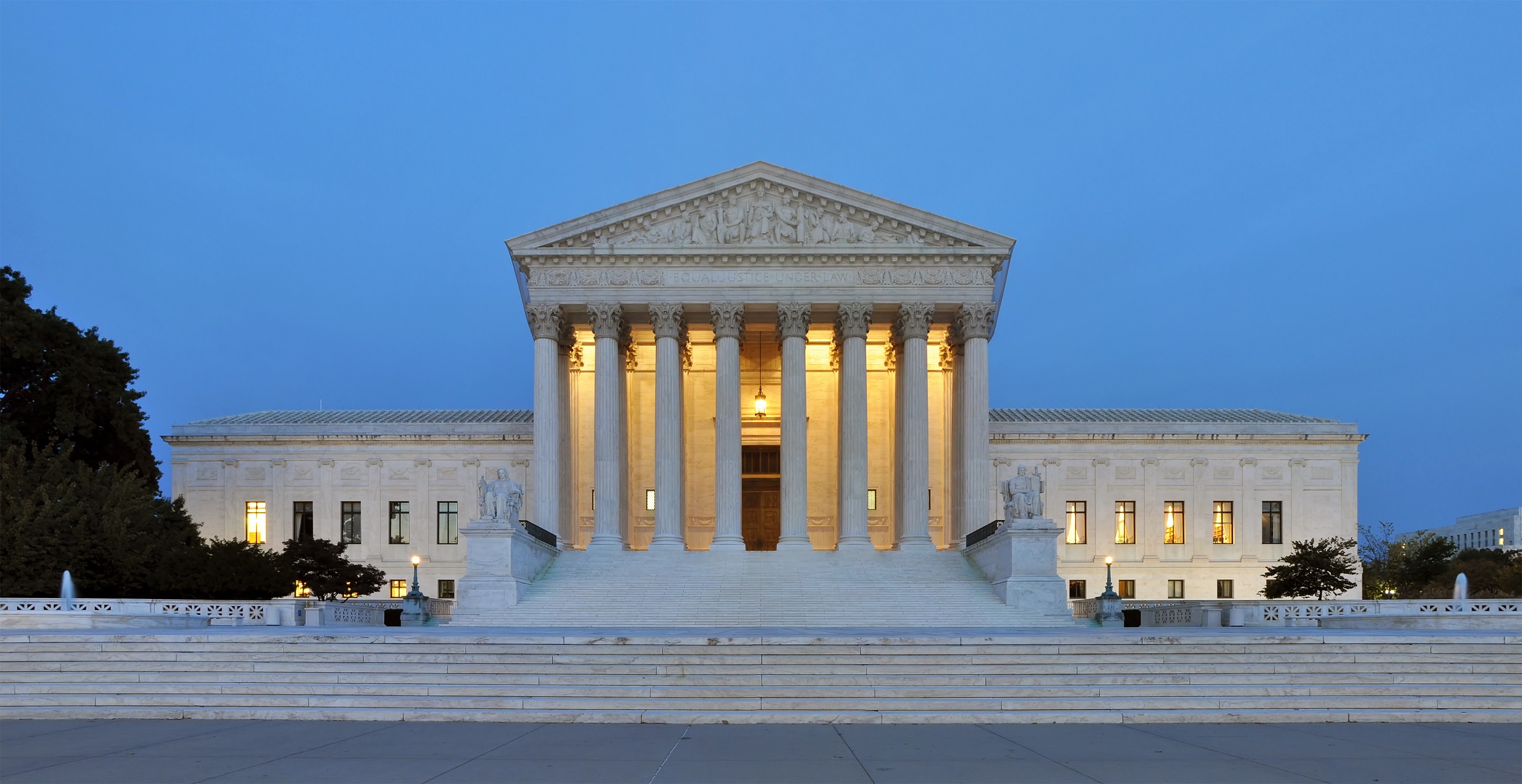
The opening of the U.S. Supreme Court's new term places several of the country's most contested constitutional questions back before the justices, with the potential consequences extending far beyond the individual disputes on the docket.
The court is preparing to examine cases involving election administration, firearms regulation and the scope of religious protections. Together, the disputes highlight a recurring feature of the modern Supreme Court: decisions on narrowly framed legal conflicts can establish principles that influence legislation and government policy across multiple states.
Voting rules are among the most consequential issues before the justices. One closely watched dispute concerns Arizona's requirement that certain voters provide documentary proof of citizenship when registering through the state's registration system. The case raises questions about the balance between state authority over elections and federal requirements governing voter registration. Supreme Court filings show that the dispute involves the interaction between Arizona's rules and the National Voter Registration Act.
The implications of such a ruling could extend into the broader debate over how election systems are administered. States have substantial responsibilities for conducting elections, while federal law establishes requirements intended to create consistent access and procedures. The court's interpretation could therefore influence how states design registration systems and how far they can go in imposing additional documentation requirements.
Firearms cases present a different but similarly significant constitutional question. The justices are expected to consider challenges involving state restrictions on assault-style rifles, placing renewed attention on how Second Amendment protections interact with state efforts to regulate weapons. The outcome could affect the legal framework under which legislatures evaluate restrictions on firearms and public-safety measures.
Religious freedom will form another major part of the term. The court is considering disputes involving religious organizations and the extent to which constitutional protections for religious exercise intersect with other legal obligations, including nondiscrimination requirements. One case concerns religious organizations participating in publicly funded preschool programs in Colorado, giving the justices an opportunity to address how religious protections operate when institutions engage with government-supported services.
The significance of the term also lies in the composition of the court. The justices continue to operate with a 6-3 conservative majority, while Clarence Thomas and Samuel Alito remain influential members of that bloc. Their positions on questions involving religious liberty, firearms and constitutional interpretation could be particularly important as the court revisits areas where its jurisprudence has already undergone substantial change.
For state governments, the stakes are practical as well as constitutional. Supreme Court rulings can determine whether laws remain enforceable, require legislatures to revise regulatory frameworks or establish standards that affect jurisdictions beyond the state involved in the original case. Advocacy organizations on different sides of these disputes are therefore closely monitoring the proceedings because the decisions may alter future litigation strategies and legislative priorities.
The term also illustrates how constitutional disputes increasingly intersect with institutional policy. Election rules affect the administration of democratic processes, firearms decisions influence the boundaries of public-safety regulation, and religious-liberty cases can determine how constitutional protections interact with government-funded programs and broader civil-rights requirements.
The court's decisions, expected through the term and into the months leading to the end of its session, will provide a clearer picture of how the justices are applying existing constitutional principles to contemporary conflicts. For policymakers and state governments, the significance will not be limited to individual verdicts. The legal standards established by the court could shape the drafting, enforcement and defense of laws for years afterward.
News You Should See
2026 Nobel Medicine Prize Honors Scientists Behind Optogenetics Breakthrough
Oil Prices Edge Lower as Stronger Middle East Exports and G7 Reserves Ease Supply Concerns
Trump Offers U.S. Assistance to Russia After Death at Siberian Plague Research Institute
Trump Takes Economic Message to Nebraska as GOP Faces Rising Cost-of-Living Pressure
U.S. Appeals Court Weighs Trump Administration’s $2.6 Billion Harvard Funding Fight
U.S. Midterm Elections Begin With Resilient Jobs Market and Persistent Cost Pressures
Latest News
The 2026 Nobel Prize in Physiology or Medicine honors Karl Deisseroth, Peter Hegemann and Georg Nagel for pioneering research behind optogenetics and its impact on neuroscience.
Oil prices edged lower as stronger Middle Eastern exports and a planned G7 release of 100 million barrels eased immediate supply concerns, while Gulf security risks and the Strait of Hormuz kept markets alert.
President Donald Trump said the United States would help Russia if needed after a laboratory worker died at a Siberian plague research institute, as Russian authorities imposed precautionary quarantine measures.
Trump’s Nebraska campaign stop highlights rising fuel and grocery costs, beef prices and growing economic pressure on Republicans ahead of the November midterm elections.
A U.S. appeals court is reviewing the Trump administration’s effort to cut Harvard’s federal research funding, with more than $2.6 billion at stake.
The U.S. enters the 2026 midterm elections with unemployment at 4.2%, while higher living and energy costs create economic pressure for households and businesses.
US services growth eased in September as input prices climbed to their highest level since July 2022, with fuel costs, supply-chain disruptions and strong demand increasing pressure on businesses.
Rising Treasury yields are increasing U.S. borrowing costs as Washington manages record debt, persistent inflation and strong economic demand, narrowing its policy options.
A EGP 16 million corporate partnership will establish and equip a bone marrow transplant unit at Cairo’s Coptic Hospital, supporting access to specialized treatment for patients.