US Supreme Court Opens New Term With Cases Shaping Immigration, Gun Rights and Corporate Power
From immigration enforcement and voting rules to climate liability and App Store competition, the Court’s docket could reshape major areas of U.S. policy and business regulation.

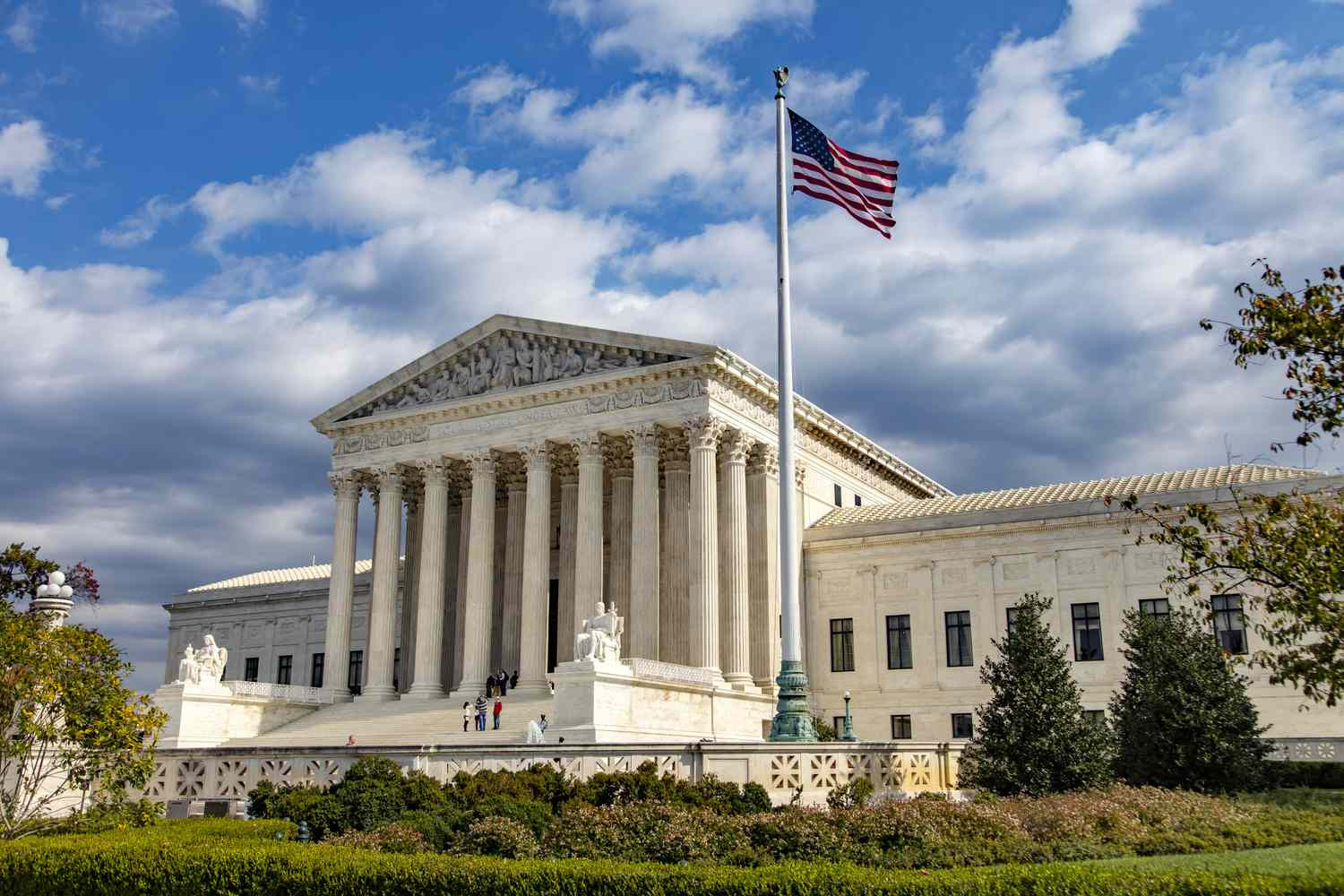
The U.S. Supreme Court is entering a new term with a docket that reaches well beyond constitutional disputes, placing government policy, corporate exposure and competitive rules under judicial scrutiny.
The cases scheduled for the term cover several areas with direct consequences for businesses, consumers, local governments and federal agencies. Immigration enforcement, firearm regulation, climate-related liability, voting requirements and religious rights sit alongside disputes involving two major consumer brands and one of the technology sector’s most closely watched antitrust battles.
The breadth of the docket reflects the Court’s growing role in determining how federal and state rules are applied across markets and institutions. For companies, the decisions can influence regulatory risk, litigation strategies and the boundaries within which products and services operate.
Immigration policy is among the most consequential areas on the calendar. The justices are expected to determine whether the Trump administration can require millions of immigrants in the United States illegally to remain in mandatory detention during deportation proceedings without access to bond hearings. The administration has moved away from a longstanding interpretation that allowed some immigrants already living in the country to seek release while their immigration cases proceeded.
A separate case scheduled for December concerns the administration’s policy of sending migrants to countries other than their own without giving them an opportunity to demonstrate the risks they could face there. The Supreme Court has temporarily allowed that policy to continue while the broader legal dispute moves forward. Human rights groups say more than 25,000 migrants have been sent to 29 countries under the policy.
The Court will also examine the boundaries of firearm regulation. In December, the justices are scheduled to hear a challenge involving state bans on assault-style rifles in Illinois and Connecticut. Lower courts have upheld the restrictions and rejected claims that the laws violate the Second Amendment. The outcome could affect the regulatory framework surrounding semiautomatic rifles in states pursuing tighter gun controls.
Climate litigation presents another potentially significant business issue. ExxonMobil and Suncor Energy are asking the Court to halt a lawsuit brought by officials in Boulder, Colorado. The local government is seeking damages connected to the costs of addressing climate-related impacts and alleges violations of state law. A ruling on the case could influence how similar climate liability claims against major energy companies are pursued in state courts.
Voting regulations will also receive scrutiny. The Court is scheduled to consider Arizona provisions that would impose stricter proof-of-citizenship requirements for voter registration and remove individuals identified as non-U.S. citizens from state voter rolls. A lower court halted parts of the law after finding conflicts with federal voter-registration requirements. The administration has supported key elements of the appeal.
Religious and nondiscrimination rules form another major part of the docket. The Archdiocese of Denver and other Catholic organizations are challenging Colorado requirements tied to a state-funded preschool program. The dispute centers on whether religious organizations receiving public funds can obtain an exemption from nondiscrimination rules covering enrollment, including provisions concerning sexual orientation and gender identity.
The business implications become particularly visible in the Court’s technology and consumer-brand cases.
Apple is seeking to overturn a contempt finding arising from its long-running legal dispute with Epic Games over the App Store. The case follows a federal court ruling that Apple violated a judicial order requiring significant changes to aspects of its App Store practices. The dispute is closely watched because the outcome could affect the economics of digital marketplaces, platform governance and the relationship between technology companies and developers.
A separate trademark dispute involves PepsiCo and Rise Brewing, the maker of canned coffee. Rise argues that PepsiCo’s use of the name “Mtn Dew Rise” for its morning energy drink infringes its trademarks and could confuse consumers with its coffee brand. The case places brand identity and trademark protection at the center of a dispute involving two products competing for attention in the broader morning beverage market.
Taken together, the docket illustrates how Supreme Court decisions can extend beyond legal doctrine into corporate planning and market structure. Companies operating in heavily regulated sectors may need to prepare for changes in compliance requirements, litigation exposure and state-level enforcement depending on how the justices resolve the cases.
For technology platforms, the Apple dispute carries particular significance because changes to App Store rules can influence developer relationships, revenue models and competitive dynamics across digital ecosystems. For energy companies, the climate case could help define the potential financial exposure associated with lawsuits seeking compensation for climate-related costs.
The Court’s term is expected to run through roughly the end of June, with rulings in the major cases anticipated by then. Until those decisions arrive, companies, government agencies and investors will have to account for a legal environment in which a single ruling can alter regulatory expectations across an entire industry.
The significance of the term therefore lies not in one individual case, but in the range of institutional and commercial questions before the justices. Immigration enforcement, state regulation, corporate liability, digital competition and brand protection are all being tested within the same judicial cycle, making the Court’s decisions relevant far beyond the courtroom.
News You Should See
2026 Nobel Medicine Prize Honors Scientists Behind Optogenetics Breakthrough
Oil Prices Edge Lower as Stronger Middle East Exports and G7 Reserves Ease Supply Concerns
Trump Offers U.S. Assistance to Russia After Death at Siberian Plague Research Institute
Trump Takes Economic Message to Nebraska as GOP Faces Rising Cost-of-Living Pressure
U.S. Appeals Court Weighs Trump Administration’s $2.6 Billion Harvard Funding Fight
U.S. Midterm Elections Begin With Resilient Jobs Market and Persistent Cost Pressures
Latest News
The 2026 Nobel Prize in Physiology or Medicine honors Karl Deisseroth, Peter Hegemann and Georg Nagel for pioneering research behind optogenetics and its impact on neuroscience.
Oil prices edged lower as stronger Middle Eastern exports and a planned G7 release of 100 million barrels eased immediate supply concerns, while Gulf security risks and the Strait of Hormuz kept markets alert.
President Donald Trump said the United States would help Russia if needed after a laboratory worker died at a Siberian plague research institute, as Russian authorities imposed precautionary quarantine measures.
Trump’s Nebraska campaign stop highlights rising fuel and grocery costs, beef prices and growing economic pressure on Republicans ahead of the November midterm elections.
A U.S. appeals court is reviewing the Trump administration’s effort to cut Harvard’s federal research funding, with more than $2.6 billion at stake.
The U.S. enters the 2026 midterm elections with unemployment at 4.2%, while higher living and energy costs create economic pressure for households and businesses.
US services growth eased in September as input prices climbed to their highest level since July 2022, with fuel costs, supply-chain disruptions and strong demand increasing pressure on businesses.
Rising Treasury yields are increasing U.S. borrowing costs as Washington manages record debt, persistent inflation and strong economic demand, narrowing its policy options.
A EGP 16 million corporate partnership will establish and equip a bone marrow transplant unit at Cairo’s Coptic Hospital, supporting access to specialized treatment for patients.