US Senators Warn Nvidia CEO Jensen Huang Over China Trip, Urge Caution on Export Controls
Bipartisan senators caution Nvidia’s CEO against meeting Chinese firms linked to military and intelligence amid rising export control scrutiny.

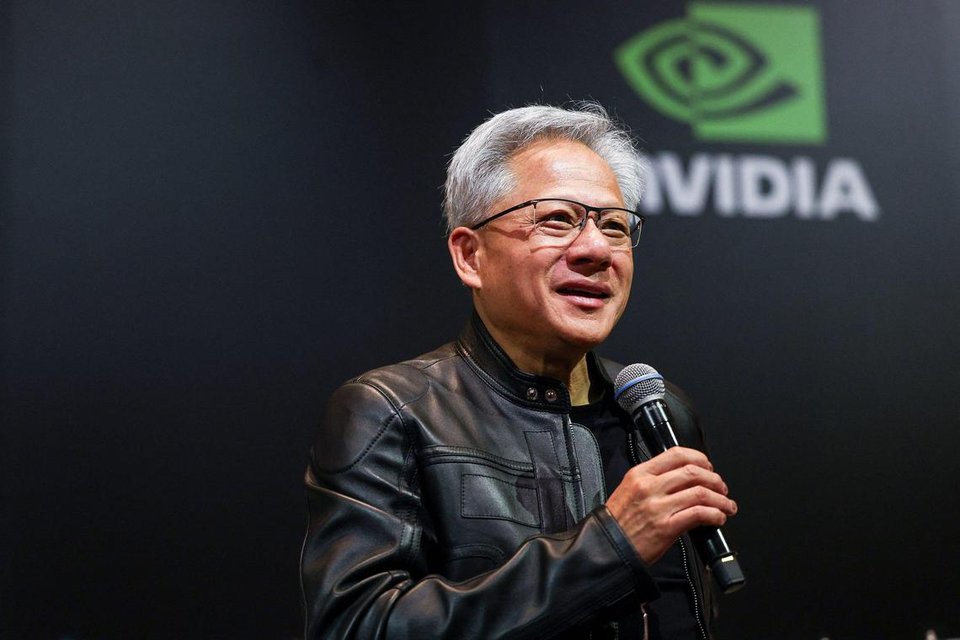
SAN FRANCISCO — Bipartisan US Senators Jim Banks (R) and Elizabeth Warren (D) sent a letter on July 11 to Nvidia CEO Jensen Huang ahead of his planned trip to China, warning him to avoid meeting with Chinese companies suspected of undermining US chip export controls or collaborating with China’s military and intelligence sectors.
The senators expressed concern that Huang’s visit could inadvertently legitimize companies involved with the People’s Republic of China’s (PRC) military or those listed on the US restricted export list.
“We are worried that your trip to the PRC could legitimise companies that cooperate closely with the Chinese military or involve discussing exploitable gaps in US export controls,” they wrote.
An Nvidia spokesperson responded, emphasizing that American technology’s global leadership benefits the US and noting China’s large software developer community. They stressed the importance of AI software running on the US technology stack to encourage global adoption of American innovation.
Previously, Huang praised the Trump administration’s decision to relax some AI chip export restrictions, calling earlier diffusion rules ineffective. Nvidia estimated that compliance with US export controls could reduce its revenue by $15 billion.
The senators underscored bipartisan agreement that advanced AI hardware exports must be carefully managed to prevent aiding China’s military modernization efforts.
Concerns have grown over attempts to bypass export controls, highlighted by reports of Chinese AI firm DeepSeek using shell companies to evade restrictions.
Nvidia is reportedly preparing to launch a lower-cost version of its flagship Blackwell AI chips specifically for the Chinese market, further intensifying scrutiny.
The letter also referenced Nvidia’s new research facility in Shanghai as a potential contributor to China’s growing AI and semiconductor sectors.
News You Should See
Before Thanksgiving: Tips to Cut Travel Costs and Avoid Traffic and Airport Congestion in the US
Dollar Holds Steady as US Inflation Data and Federal Reserve Decision Approach
US Appeals Court Ends Justice Department Lawsuit Targeting 20,000 California Ballots
Democrats Win Historic House Majority, Reshaping Washington's Political Landscape
Thanksgiving Storm Threatens Major US East Coast Travel Routes With Flooding and 60 MPH Winds
Manchester City Prepare for Tactical Battle Against Napoli in Champions League
Latest News
About 81.5 million Americans are expected to travel for Thanksgiving, facing higher airfare, heavy road traffic and crowded airports. Discover key travel preparations and cost-saving tips.
The dollar index holds near 103.85 as investors await US inflation and GDP figures, with December rate expectations and global monetary policy shaping currency markets.
The 9th Circuit Court of Appeals approved the Justice Department's request to dismiss its lawsuit targeting approximately 20,000 California ballots, ending a dispute over federal election oversight and state authority.
Democrats secure at least 259 House seats and a 56-seat Senate majority, setting the stage for major changes in US healthcare, spending and congressional oversight.
A developing Thanksgiving storm threatens the US East Coast with heavy rain, coastal flooding and wind gusts of up to 60 mph, raising concerns about airport operations, road travel and holiday transportation in major cities.
Manchester City host Napoli in a key Champions League clash, with Haaland, Foden and Cherki expected to lead the English side's attacking efforts.
Arsenal prepare to host Borussia Dortmund in a crucial Champions League clash, with injuries and tactical decisions potentially shaping the outcome.
The Hunger Games: Sunrise on the Reaping earns $225 million worldwide in its opening weekend, strengthening the franchise's box-office position.
Harvard research estimates that 403 US hyperscale data centers consume up to 99 terawatt-hours annually, raising concerns about AI's environmental impact.