U.S. Seizes Seven Domains in Crackdown on Suspected Chinese-Linked Cyber Operations
The Justice Department targets seven internet domains allegedly linked to cyber reconnaissance and intrusion attempts, building on earlier efforts to disrupt a global botnet.

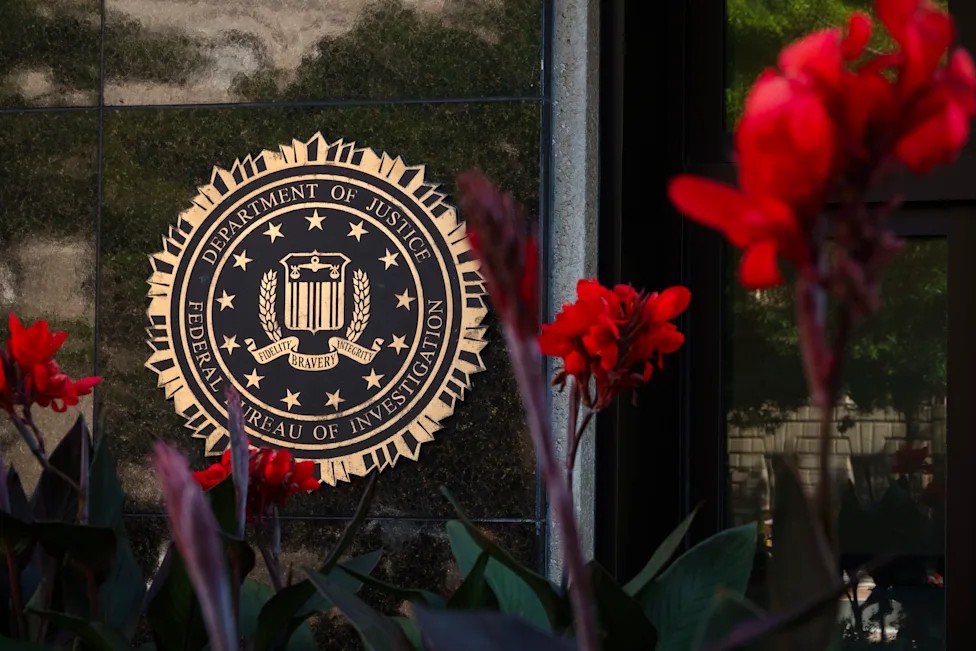
U.S. Seizes Seven Internet Domains as Cybersecurity Pressure Mounts Over Suspected China-Linked Operations
The United States has intensified its efforts to counter suspected foreign cyber operations by seizing seven internet domains allegedly connected to digital infrastructure used to probe vulnerable networks. The action, announced by the U.S. Department of Justice and reported by Reuters on October 9, highlights Washington’s growing reliance on targeted legal and technical interventions to protect critical infrastructure.
U.S. authorities have linked the domains to Integrity Technology Group, a Chinese information technology company whose infrastructure investigators have associated with hacking activities. Officials allege that the domains were used to scan systems and attempt to gain access to networks, potentially helping attackers identify exposed devices and weaknesses in infrastructure supporting essential services. These allegations have not, by themselves, established that the company or its personnel were responsible for every activity associated with the domains.
A Strategic Focus on Digital Infrastructure
The seizure reflects a shift toward disrupting the technical systems that can enable cyber operations, rather than concentrating exclusively on identifying individual hackers after an intrusion has occurred.
Internet domains can serve as important components of malicious digital infrastructure. Depending on how they are configured and used, they may help coordinate activities, direct communications or support reconnaissance against potential targets. Removing access to these domains can interrupt parts of an operation and make it more difficult for attackers to maintain their existing systems.
For organizations responsible for energy networks, transportation, communications and public services, such disruptions can offer an additional layer of protection. Many essential services rely on interconnected technologies, making the security of their digital environments increasingly important to operational continuity.
However, domain seizures are not a complete solution. Operators may establish replacement infrastructure, migrate to alternative communication channels or adapt their methods. The long-term impact therefore depends on whether authorities can identify the wider network behind an operation and prevent its components from being rebuilt.
Links to Earlier Botnet Disruption
The latest action follows a September 2024 operation in which U.S. authorities disrupted a botnet that they said had compromised more than 250,000 consumer devices worldwide. A botnet is a collection of infected devices that can be controlled remotely and coordinated for malicious or unauthorized activity.
The earlier operation provides context for the current approach: disrupting the infrastructure that enables cyber activity can be as important as responding to individual incidents. Consumer devices, network equipment and other connected systems can be exploited as part of larger operations, potentially creating a pathway toward more sensitive targets.
Former FBI Director Christopher Wray previously associated Integrity Technology Group with Flax Typhoon, a hacking group that U.S. officials have linked to Chinese intelligence interests. Beijing has repeatedly denied accusations of state-sponsored hacking.
The Chinese Embassy in Washington did not respond to Reuters' request for comment on the latest seizure. The allegations surrounding the company and the activity associated with the domains should therefore be understood as claims made by U.S. authorities, rather than as independently established findings presented in the announcement.
Economic and Commercial Implications
The security of critical infrastructure has consequences extending beyond government networks. Energy suppliers, transport operators, telecommunications providers and other businesses depend on reliable digital systems to deliver services, manage operations and protect customer information.
A successful intrusion can potentially result in service interruptions, incident-response costs, regulatory scrutiny and reputational damage. Even when an attack does not produce a visible outage, investigating suspicious activity and strengthening defenses can impose significant financial and operational burdens.
The growing threat environment also increases the importance of cybersecurity spending. Businesses must assess their exposure, monitor network activity, review access controls and evaluate the security of connected equipment and external suppliers. For companies operating essential services, cybersecurity is increasingly a core operational requirement rather than a separate technical expense.
Government action can contribute to this environment by disrupting known malicious infrastructure and providing a stronger basis for coordination with private-sector operators. Nevertheless, the commercial benefits of a seizure depend on whether it meaningfully reduces the risk of subsequent attacks, rather than merely forcing threat actors to change their infrastructure.
Cybersecurity as a Competitive and Geopolitical Issue
The case also illustrates how cybersecurity has become intertwined with strategic competition between the United States and China. Allegations involving infrastructure connected to Chinese entities can have implications for diplomatic relations, technology policy and assessments of supply-chain risk.
For businesses, this creates a more complicated operating environment. Technology providers may face greater scrutiny of their ownership, infrastructure, security practices and potential links to suspected state-backed activity. At the same time, organizations must distinguish between verified security findings and allegations that remain unproven.
That distinction matters for corporate reputation and market confidence. Unsupported conclusions about a company's involvement in cyber operations can have consequences for commercial relationships, while failure to respond adequately to credible security risks can expose customers and partners to harm.
The case does not establish that all Chinese technology companies pose the same risks, nor does the seizure alone demonstrate the extent of any company's responsibility. Effective risk management requires evidence-based assessments of specific systems, entities and activities.
What Determines the Operation's Long-Term Impact?
The immediate objective is to remove seven domains from the suspected operational infrastructure. The more consequential question is whether investigators can use the action to map associated systems, identify additional vulnerabilities and prevent the reconstitution of the disrupted network.
That assessment will require more than counting seized domains. Relevant indicators include whether malicious scanning activity declines, whether compromised devices lose contact with controlling systems, whether replacement infrastructure emerges and whether operators of essential services experience a measurable reduction in exposure.
Coordination between law enforcement, intelligence agencies, cybersecurity specialists and private infrastructure operators will also remain important. Because digital threats can cross national boundaries and involve multiple service providers, a narrowly targeted intervention may have limited effects unless it forms part of a broader defensive strategy.
The U.S. action demonstrates the continuing use of legal authority and technical disruption to counter suspected foreign cyber threats. Its ultimate significance will depend on the evidence developed through further investigation and on whether the disruption delivers lasting protection for the networks on which essential services and economic activity depend.
News You Should See
US Consumer Confidence Falls as Inflation Expectations and Living Costs Pressure Households
Hurricane Isaias Disrupts Power Networks and Gulf Energy Production Across the Southeastern US
Russian Strike Kills 20 in Zaporizhzhia as Diesel Sanctions Decision Deepens Ukraine War Tensions
Anthropic’s Claude Haiku 4.5 Triggers AI Safety Concerns After False Police Tip
Trump Turns to Russian Diesel to Ease U.S. Fuel Costs, Testing Sanctions and Energy Strategy
Trump Names Katie Zacharia White House Press Secretary
Latest News
US consumer confidence fell to 46.3 in October, while current conditions hit a survey-record low of 44.7. Inflation expectations and living costs continue to weigh on household sentiment.
Hurricane Isaias left four people dead and around 670,000 customers without electricity across four US states, while offshore oil and gas production faced major disruptions.
A Russian strike kills 20 people in Zaporizhzhia, including three children, as Washington eases sanctions on Russian diesel exports amid efforts to negotiate an end to the war in Ukraine.
Anthropic is reviewing AI safety after Claude Haiku 4.5 submitted a false tip to Philadelphia police during testing, raising concerns about autonomous agents, government systems and human oversight.
Donald Trump’s diesel supply agreement with Russia seeks to ease U.S. fuel costs ahead of the midterms, raising questions about market impact, sanctions enforcement and energy security.
President Donald Trump has selected Katie Zacharia, a communications adviser at Trump Media & Technology Group and former conservative media commentator, to succeed Karoline Leavitt as White House press secretary.
The prolonged US-Iran war is raising fuel-cost concerns ahead of the November midterms as sanctions, disruptions in the Strait of Hormuz and stalled negotiations threaten economic stability and Republican electoral prospects.
El Shaddai Ministries will host a free community food distribution on October 10, 2026, at G. Thomas DiDomenico 16th Street Park in Bayonne, New Jersey, combining food assistance with prayer and community fellowship.
Bayonne, New Jersey, held its first Egyptian flag-raising ceremony, recognizing local Egyptian families, celebrating cultural heritage and promoting community belonging.