U.S. Military Withdrawal from Iraq Signals Major Shift in Regional Security Balance
The planned departure marks a major transition in Iraq’s security architecture while raising new questions about Iran’s political and strategic influence.

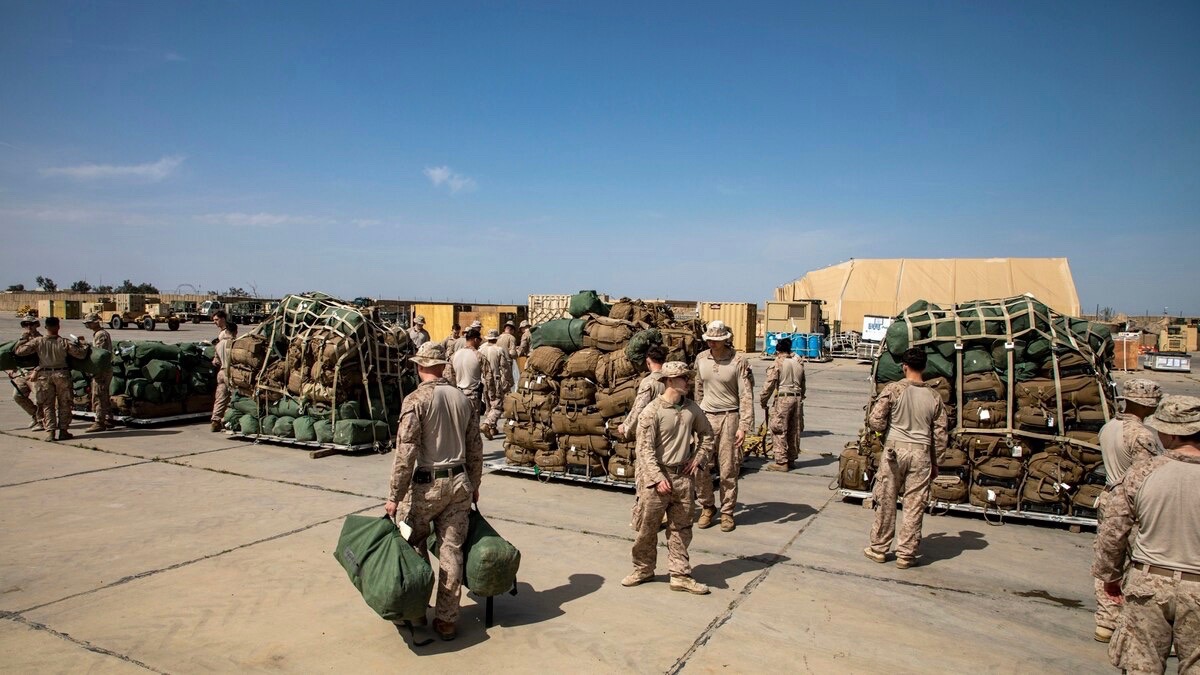
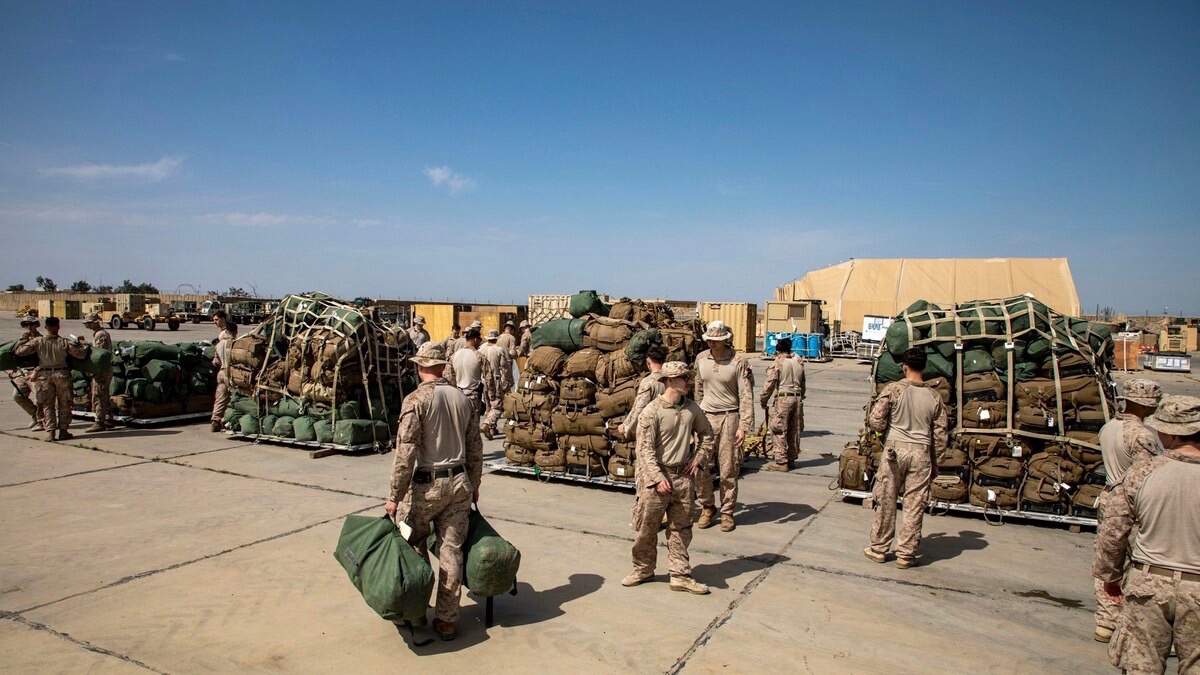
The planned withdrawal of U.S. forces from their remaining bases in Iraq marks a turning point in a military relationship that has shaped the country and the wider Middle East for more than two decades. While the departure is being framed primarily as a change in the American military posture, its wider significance lies in how it could alter the balance among Iraq, Iran and the United States.
Washington’s decision reflects a broader adjustment in its approach to the Middle East. Rather than maintaining large or permanent military deployments, the United States has increasingly sought to rely on partnerships with regional governments, intelligence cooperation, diplomatic channels and the ability to deploy forces when circumstances require it. From that perspective, leaving remaining bases in Iraq does not necessarily represent an American retreat from the country or the region as a whole.
The American military presence has evolved substantially since the 2003 invasion. U.S. forces later became central to the international campaign against Islamic State and continued supporting Iraqi security institutions after the group lost much of its territorial control. The eventual departure therefore closes an important chapter in Iraq’s post-invasion security structure, but it does not erase the political, diplomatic and institutional relationships built during that period.
For Iraq, the most immediate consequence is a larger national responsibility for maintaining security and managing competing political interests. Iraqi institutions will have to demonstrate that they can preserve stability while navigating relationships with Washington, Tehran and other regional actors without allowing external competition to undermine domestic decision-making.
Iran is likely to be a central factor in this transition. Tehran has established extensive political and security relationships with influential Iraqi groups over many years. A smaller American military footprint could provide those networks with greater room to operate, although the scale of any increase in Iranian influence will depend on Iraq’s internal political balance, the strength of its security institutions and the ability of its government to maintain an independent foreign policy.
The shift also carries a competitive dimension for Washington. A permanent military presence provides a visible mechanism for influence, deterrence and rapid response. Replacing that presence with diplomatic and security partnerships requires a different form of strategic engagement. The effectiveness of the new model will depend less on troop numbers and more on whether the United States can preserve meaningful access, cooperation and political leverage without maintaining large deployments.
For Iraq’s neighbors, the withdrawal adds another variable to an already unsettled regional environment. Tensions involving Iran have affected security calculations across the Middle East, and any perceived change in the American role can influence the behavior of governments and non-state actors alike. The consequences will therefore extend beyond Iraqi territory.
Economically and institutionally, the transition could also influence Iraq’s long-term development priorities. Greater domestic responsibility for security can place additional demands on public institutions and state resources, while improved stability could create more favorable conditions for investment and reconstruction. The key issue will be whether the security transition strengthens state capacity rather than intensifying competition among political and armed factions.
The end of the U.S. military presence should consequently be understood as a structural change rather than a simple logistical withdrawal. It represents the conclusion of one phase of the post-2003 order and the beginning of a period in which Iraq will have to exercise greater strategic autonomy. For Washington, it is an opportunity to redefine its regional role; for Tehran, it may create additional strategic space; and for Baghdad, it is a test of whether national institutions can manage the resulting balance of power.
The significance of the coming transition will ultimately depend on what replaces the military architecture that has been in place for years. If diplomatic engagement, security cooperation and strong Iraqi institutions can preserve stability, the withdrawal could become part of a managed shift toward greater Iraqi responsibility. If those mechanisms prove insufficient, the change could instead deepen regional competition and expand the influence of actors seeking to fill the space left by the departing American forces.
News You Should See
2026 Nobel Medicine Prize Honors Scientists Behind Optogenetics Breakthrough
Oil Prices Edge Lower as Stronger Middle East Exports and G7 Reserves Ease Supply Concerns
Trump Offers U.S. Assistance to Russia After Death at Siberian Plague Research Institute
Trump Takes Economic Message to Nebraska as GOP Faces Rising Cost-of-Living Pressure
U.S. Appeals Court Weighs Trump Administration’s $2.6 Billion Harvard Funding Fight
U.S. Midterm Elections Begin With Resilient Jobs Market and Persistent Cost Pressures
Latest News
The 2026 Nobel Prize in Physiology or Medicine honors Karl Deisseroth, Peter Hegemann and Georg Nagel for pioneering research behind optogenetics and its impact on neuroscience.
Oil prices edged lower as stronger Middle Eastern exports and a planned G7 release of 100 million barrels eased immediate supply concerns, while Gulf security risks and the Strait of Hormuz kept markets alert.
President Donald Trump said the United States would help Russia if needed after a laboratory worker died at a Siberian plague research institute, as Russian authorities imposed precautionary quarantine measures.
Trump’s Nebraska campaign stop highlights rising fuel and grocery costs, beef prices and growing economic pressure on Republicans ahead of the November midterm elections.
A U.S. appeals court is reviewing the Trump administration’s effort to cut Harvard’s federal research funding, with more than $2.6 billion at stake.
The U.S. enters the 2026 midterm elections with unemployment at 4.2%, while higher living and energy costs create economic pressure for households and businesses.
US services growth eased in September as input prices climbed to their highest level since July 2022, with fuel costs, supply-chain disruptions and strong demand increasing pressure on businesses.
Rising Treasury yields are increasing U.S. borrowing costs as Washington manages record debt, persistent inflation and strong economic demand, narrowing its policy options.
A EGP 16 million corporate partnership will establish and equip a bone marrow transplant unit at Cairo’s Coptic Hospital, supporting access to specialized treatment for patients.