US Military Expands Caribbean Anti-Narcotics Campaign With Deadly Strike
A deadly strike on a suspected drug-trafficking vessel intensifies Washington’s campaign while raising fresh questions over the legal limits and international consequences of the operation.

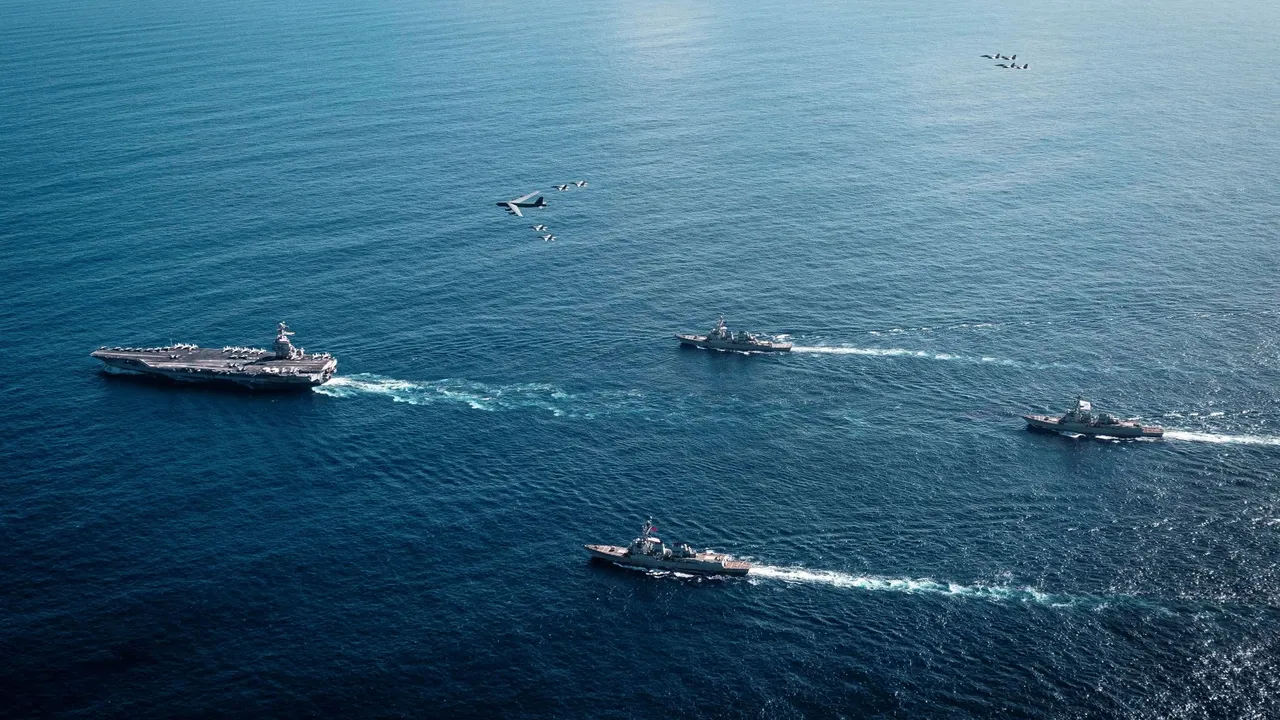
The United States is intensifying its campaign against suspected maritime drug trafficking, with the latest military strike in the Caribbean highlighting both the operational reach of the strategy and the growing legal scrutiny surrounding it.
The U.S. Southern Command said a strike on October 4 targeted a fast-moving vessel operating along established drug-trafficking routes in the Caribbean Sea. The command said it had confirmed intelligence indicating that the vessel was actively involved in narcotics trafficking and reported that four people aboard were killed.
The operation forms part of a broader campaign that the Trump administration has pursued since September 2025 against vessels it says are transporting narcotics. U.S. strikes in the Caribbean and the eastern Pacific have now killed more than 220 people, according to the Reuters report.
From a strategic standpoint, the campaign represents a shift toward direct military action against suspected trafficking networks at sea. Rather than relying exclusively on interdiction, arrests and traditional law-enforcement cooperation, Washington is using military force as a central component of its counter-narcotics policy.
That approach gives U.S. authorities a broader operational reach across maritime routes, but it also increases the importance of intelligence quality and target verification. In the latest incident, the military provided its assessment that the vessel was involved in drug trafficking but did not publicly disclose detailed evidence supporting the claim.
The policy is also creating a significant legal and diplomatic challenge. Human Rights Watch, Amnesty International and independent United Nations experts have questioned the legality of the strikes and characterized them as unlawful extrajudicial killings. Ben Saul, the U.N. special rapporteur on human rights and counterterrorism, has said there are reasonable grounds to believe the attacks could constitute crimes against humanity involving murder under customary international law.
The American Civil Liberties Union has likewise challenged the administration’s public assertions about those targeted, describing them as unsupported claims. These objections place the military campaign under a second layer of scrutiny: not only whether the targeted vessels were involved in trafficking, but also whether lethal force was legally justified against the people aboard them.
For Washington, the issue extends beyond individual operations. Repeated strikes can shape how regional governments, shipping operators and international organizations assess the U.S. security posture in the Caribbean. Maritime security policies can also affect commercial risk calculations when shipping routes overlap with areas where military operations are becoming more frequent.
The campaign therefore carries an institutional dimension as well. By presenting the operations as part of the fight against "narco-terrorists," the administration is framing drug trafficking as a national-security threat rather than solely a criminal-justice issue. That language supports a more militarized policy model and establishes a political identity centered on direct action against transnational trafficking networks.
The long-term effectiveness of the strategy will depend on whether military strikes can disrupt trafficking networks without generating greater legal, diplomatic or operational costs. A sustained campaign will also require Washington to maintain credible intelligence standards and explain the legal basis for its use of lethal force.
The latest Caribbean strike consequently represents more than another military operation. It is a test of how far the United States is prepared to extend military tools into counter-narcotics enforcement, and whether that approach can withstand growing scrutiny over accountability, international law and the treatment of suspected traffickers.
News You Should See
2026 Nobel Medicine Prize Honors Scientists Behind Optogenetics Breakthrough
Oil Prices Edge Lower as Stronger Middle East Exports and G7 Reserves Ease Supply Concerns
Trump Offers U.S. Assistance to Russia After Death at Siberian Plague Research Institute
Trump Takes Economic Message to Nebraska as GOP Faces Rising Cost-of-Living Pressure
U.S. Appeals Court Weighs Trump Administration’s $2.6 Billion Harvard Funding Fight
U.S. Midterm Elections Begin With Resilient Jobs Market and Persistent Cost Pressures
Latest News
The 2026 Nobel Prize in Physiology or Medicine honors Karl Deisseroth, Peter Hegemann and Georg Nagel for pioneering research behind optogenetics and its impact on neuroscience.
Oil prices edged lower as stronger Middle Eastern exports and a planned G7 release of 100 million barrels eased immediate supply concerns, while Gulf security risks and the Strait of Hormuz kept markets alert.
President Donald Trump said the United States would help Russia if needed after a laboratory worker died at a Siberian plague research institute, as Russian authorities imposed precautionary quarantine measures.
Trump’s Nebraska campaign stop highlights rising fuel and grocery costs, beef prices and growing economic pressure on Republicans ahead of the November midterm elections.
A U.S. appeals court is reviewing the Trump administration’s effort to cut Harvard’s federal research funding, with more than $2.6 billion at stake.
The U.S. enters the 2026 midterm elections with unemployment at 4.2%, while higher living and energy costs create economic pressure for households and businesses.
US services growth eased in September as input prices climbed to their highest level since July 2022, with fuel costs, supply-chain disruptions and strong demand increasing pressure on businesses.
Rising Treasury yields are increasing U.S. borrowing costs as Washington manages record debt, persistent inflation and strong economic demand, narrowing its policy options.
A EGP 16 million corporate partnership will establish and equip a bone marrow transplant unit at Cairo’s Coptic Hospital, supporting access to specialized treatment for patients.