U.S. Midterm Elections Begin With Resilient Jobs Market and Persistent Cost Pressures
A 4.2% unemployment rate offers Republicans a relatively resilient labor market, while energy and living costs continue to weigh on households and businesses.

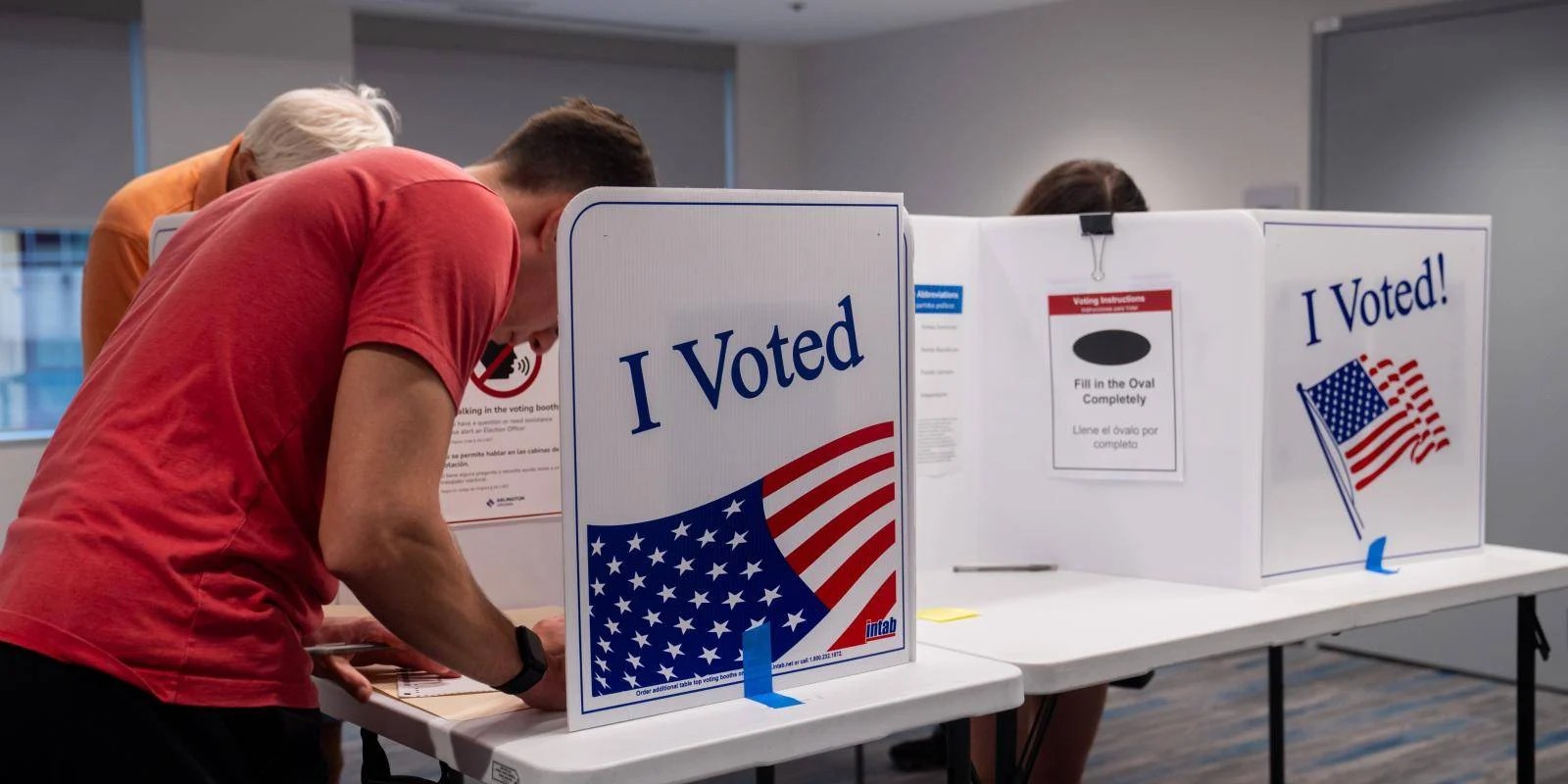
The U.S. economy is entering the 2026 congressional midterm elections with an unusually mixed set of signals for voters and political parties. Unemployment stands at 4.2%, indicating that the labor market remains broadly resilient even as its momentum has weakened. For President Donald Trump and Republicans, that employment picture provides a comparatively favorable economic backdrop heading into a politically consequential election.
The significance of the unemployment rate extends beyond the headline figure. A labor market that continues to absorb a large share of the workforce can support household incomes and reinforce perceptions of economic stability. It also gives the administration a stronger political argument than would be possible under conditions of widespread job losses or sharply deteriorating employment.
Yet employment strength does not fully capture the economic experience of American households. Living costs remain a central source of pressure, creating a disconnect between macroeconomic indicators and everyday financial conditions. Consumers may remain employed while simultaneously facing higher expenses for essential goods, transportation and other household needs.
Energy prices add another layer of uncertainty. The conflict with Iran has increased concern over fuel costs, which can spread through the wider economy. Higher energy prices raise transportation expenses, increase operating costs for businesses and can reduce the amount of disposable income available to households. Their broader effect may therefore extend beyond fuel purchases to consumer confidence and spending decisions.
Businesses are also operating within a more complicated environment. Stable employment supports demand, but higher operating costs and changing consumer behavior can make investment and expansion decisions more difficult. Uncertainty surrounding interest rates adds another variable, particularly for companies that depend on borrowing to finance growth.
This combination creates a more nuanced economic backdrop for the midterms. The labor market remains an important source of resilience, but inflationary pressures and energy costs can shape how voters evaluate their personal economic circumstances. Political perceptions are often influenced not only by whether people have jobs, but also by how far their incomes go once major household expenses are paid.
For Republicans, the 4.2% unemployment rate represents an economic asset, particularly when compared with periods of political uncertainty marked by significantly weaker employment conditions. But the benefit may be limited if voters continue to feel the impact of elevated living expenses.
The election-year economy is therefore unlikely to be defined by a single indicator. Employment, energy prices, inflation and borrowing conditions are interacting to create an environment in which the headline labor-market figures remain relatively strong while households and businesses continue to manage substantial cost pressures.
As Americans prepare to elect members of Congress, that tension could become one of the defining economic themes of the 2026 midterms: a labor market strong enough to provide political reassurance, but an economy still facing affordability challenges that remain highly visible to voters.
News You Should See
2026 Nobel Medicine Prize Honors Scientists Behind Optogenetics Breakthrough
Oil Prices Edge Lower as Stronger Middle East Exports and G7 Reserves Ease Supply Concerns
Trump Offers U.S. Assistance to Russia After Death at Siberian Plague Research Institute
Trump Takes Economic Message to Nebraska as GOP Faces Rising Cost-of-Living Pressure
U.S. Appeals Court Weighs Trump Administration’s $2.6 Billion Harvard Funding Fight
U.S. Midterm Elections Begin With Resilient Jobs Market and Persistent Cost Pressures
Latest News
The 2026 Nobel Prize in Physiology or Medicine honors Karl Deisseroth, Peter Hegemann and Georg Nagel for pioneering research behind optogenetics and its impact on neuroscience.
Oil prices edged lower as stronger Middle Eastern exports and a planned G7 release of 100 million barrels eased immediate supply concerns, while Gulf security risks and the Strait of Hormuz kept markets alert.
President Donald Trump said the United States would help Russia if needed after a laboratory worker died at a Siberian plague research institute, as Russian authorities imposed precautionary quarantine measures.
Trump’s Nebraska campaign stop highlights rising fuel and grocery costs, beef prices and growing economic pressure on Republicans ahead of the November midterm elections.
A U.S. appeals court is reviewing the Trump administration’s effort to cut Harvard’s federal research funding, with more than $2.6 billion at stake.
The U.S. enters the 2026 midterm elections with unemployment at 4.2%, while higher living and energy costs create economic pressure for households and businesses.
US services growth eased in September as input prices climbed to their highest level since July 2022, with fuel costs, supply-chain disruptions and strong demand increasing pressure on businesses.
Rising Treasury yields are increasing U.S. borrowing costs as Washington manages record debt, persistent inflation and strong economic demand, narrowing its policy options.
A EGP 16 million corporate partnership will establish and equip a bone marrow transplant unit at Cairo’s Coptic Hospital, supporting access to specialized treatment for patients.