US Launches New Trade Probes on Drones and Polysilicon, Opening Door to Fresh Tariffs
Under Section 232, the Trump administration is investigating key imports like drones and solar materials, citing national security risks

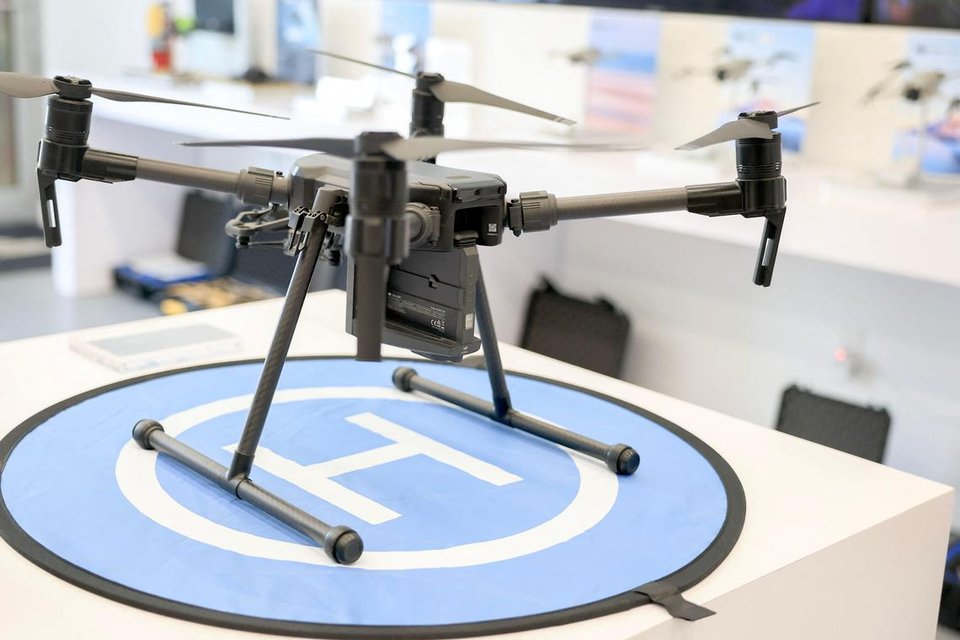
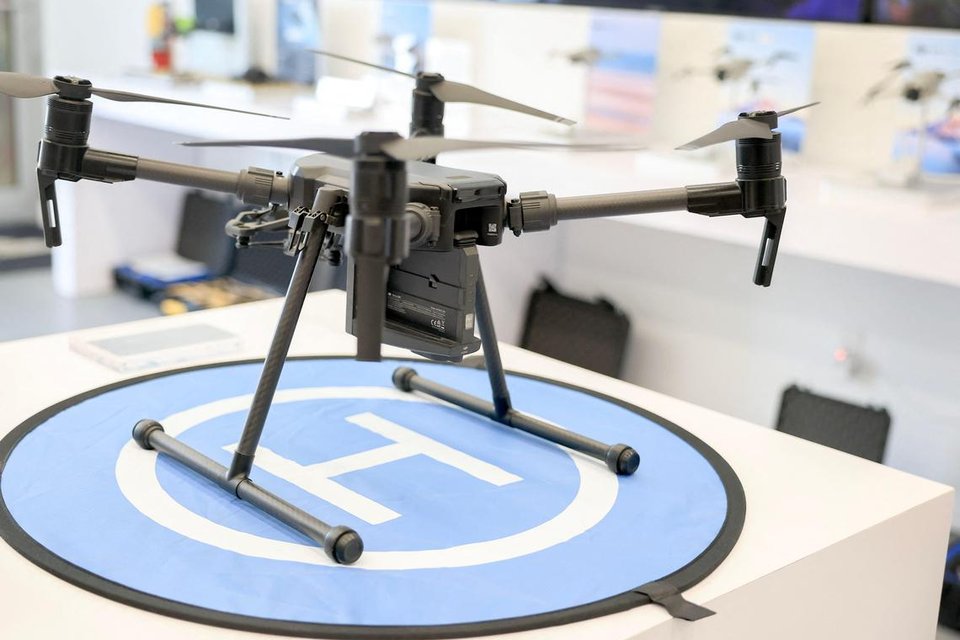
WASHINGTON — The U.S. government has launched two new investigations into imports of drones and polysilicon, a key material used in solar power, potentially paving the way for additional tariffs under national security grounds.
The Commerce Department opened the probes on July 1, using Section 232 of the Trade Expansion Act of 1962 — the same legal tool President Donald Trump previously used to justify tariffs on steel and aluminum.
These latest actions extend the administration’s growing list of investigations into critical sectors. Other ongoing probes include imports of semiconductors, pharmaceuticals, and other strategically sensitive goods.
In documents scheduled for release in the Federal Register on July 16, the government formally requested public comment on both investigations:
One focused on “imports of polysilicon and its derivatives”
The other targeting “imports of unmanned aircraft systems (UAS) and their parts and components”
While the documents do not name specific countries, analysts point out that Chinese drone giant DJI dominates the global drone market. China is also a major supplier in the global solar energy supply chain, especially in the production of polysilicon.
⚖️ Potential for New Tariffs
Section 232 investigations typically take months to conclude, but can result in new import duties if officials determine that a product threatens U.S. national security.
These sector-specific actions are distinct from the broader tariff regime Trump has implemented since returning to office in January 2025.
In April, he imposed a sweeping 10% tariff on imports from nearly all U.S. trading partners. Those duties are set to increase further on August 1 unless trade partners reach agreements to avoid them.
📉 Market Impact and Global Reactions
The prospect of escalating tariffs has already rattled global markets, prompting fears of a potential economic slowdown. Ongoing trade negotiations are being closely watched as dozens of economies work to secure exemptions from the higher duties.
With drones, solar tech, and high-tech components now in the crosshairs, supply chains could face further disruption in the coming months, adding pressure to industries already hit by tariffs and regulatory uncertainty.
News You Should See
Vancouver Launches 12th Annual Korey’s Joy Drive to Support Local Families
Agassi Sports Entertainment Joins Sinclair and Tennis Channel to Expand Padel and Pickleball
Vizrt Completes Chyron Acquisition to Expand Global Broadcast Technology Capabilities
Anyma and Jean-Michel Jarre Announce Major Pyramids of Giza Concerts for 2027
Arsenal Women Strike First Against Barcelona in Champions League Showdown
New Egypt Group Backs Latin Social Organization’s Thanksgiving Food Drive in Bayonne
Latest News
Vancouver, Washington launches its 12th Korey’s Joy Drive, collecting toys, holiday gifts and winter supplies for families through local nonprofits.
Agassi Sports Entertainment partners with Sinclair and Tennis Channel to promote padel and pickleball through nationwide television and digital platforms.
Vizrt completes its acquisition of Chyron, combining broadcast graphics technologies to expand cloud production and real-time augmented reality solutions.
Anyma and Jean-Michel Jarre announce two electronic music performances at Egypt's Great Pyramids in spring 2027, with presale tickets starting November 18.
Arsenal Women take a 1-0 lead over Barcelona after Frida Maanum's 21st-minute goal in their 2026-27 UEFA Women's Champions League encounter.
New Egypt Group supports Latin Social Organization’s Thanksgiving Food Drive in Bayonne by contributing food supplies to help local families prepare for the holiday.
Shorter winter days can affect appetite, sleep and energy. A dietitian explains the biological reasons behind seasonal cravings and the importance of meal planning.
Medical leaders debate whether AI will improve diagnosis and healthcare delivery or weaken doctors' clinical skills through growing reliance on technology.
A study published in PNAS Nexus suggests that differences in immune cells may help explain variations in obesity and fat distribution between males and females.