U.S. Jobless Claims Fall to 197,000 as Labor Market Shows Continued Resilience
Low layoffs provide a measure of stability as markets assess employment, inflation and interest-rate conditions

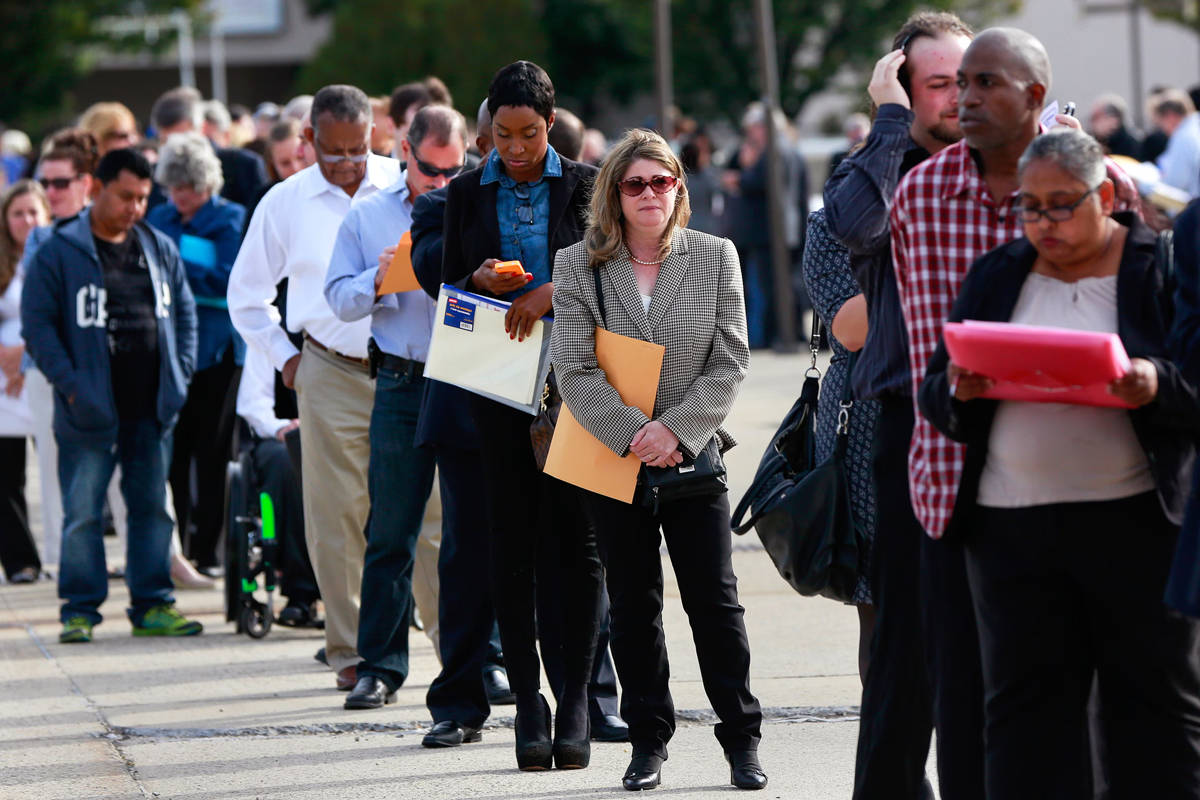
The latest U.S. unemployment claims data point to continued stability in the labor market, with new applications for unemployment benefits falling to 197,000 in the week ended September 19. The Labor Department’s figure was down 1,000 from the previous week and came below the 201,000 claims economists surveyed by Reuters had expected.
The importance of the reading lies less in the weekly movement itself than in what it says about layoffs. Initial jobless claims are one of the earliest indicators available on changes in employment conditions. When claims rise persistently, they can indicate that businesses are cutting payrolls; when they remain low, the data generally suggest that employers are continuing to retain workers.
The latest reading keeps claims close to historically low levels. Reuters reported that claims were near a 57-year low, reinforcing the picture of limited layoffs despite uncertainty surrounding the wider U.S. economy.
For financial markets, the labor-market signal is particularly relevant because employment conditions are closely connected to expectations for monetary policy. Investors have been weighing labor data alongside inflation and other economic indicators as they assess the direction of U.S. interest rates. A labor market that continues to absorb workers without a sharp increase in layoffs can influence expectations about how much room policymakers have to adjust monetary conditions.
The data also provide an important distinction between employment stability and broader hiring momentum. Low initial claims indicate that relatively few workers are entering unemployment through new layoffs, but they do not measure every aspect of the labor market. Hiring rates, wage growth, participation and the number of people remaining unemployed can provide different signals about the underlying strength of the economy.
Recent figures illustrate why economists look beyond a single weekly report. The four-week moving average, which smooths some of the volatility in weekly claims, fell to 202,250 in the latest data. Continuing claims also remain an important measure because they indicate how many people are continuing to receive unemployment benefits after an initial claim.
From a business perspective, the low level of new claims suggests that companies have generally avoided a broad acceleration in layoffs. That can support household income and consumer demand, while also giving businesses greater stability in workforce planning. At the same time, restrained layoffs do not necessarily mean that employers are expanding headcount aggressively; companies can maintain existing staffing levels while taking a cautious approach to new hiring.
This distinction is increasingly relevant in an environment where businesses are balancing labor costs, financing conditions and uncertain demand. Companies facing higher operating costs or weaker growth expectations may choose to limit recruitment rather than immediately reduce existing payrolls. As a result, a resilient layoffs indicator can coexist with a more measured pace of hiring.
The latest figures therefore strengthen the case for viewing the U.S. labor market as relatively stable on the layoffs side, while leaving other questions unanswered about the pace of job creation and wage growth. For policymakers and investors, the next employment indicators will help determine whether the current resilience represents a durable trend or simply a period of stability within a broader adjustment in the labor market.
For businesses, the practical implication is that workforce conditions have not yet deteriorated sharply. For financial markets, the data add another piece to the broader assessment of inflation, employment and interest rates. The 197,000 claims figure is therefore best understood as one indicator within a larger economic picture rather than as a standalone measure of the health of the U.S. economy.
News You Should See
2026 Nobel Medicine Prize Honors Scientists Behind Optogenetics Breakthrough
Oil Prices Edge Lower as Stronger Middle East Exports and G7 Reserves Ease Supply Concerns
Trump Offers U.S. Assistance to Russia After Death at Siberian Plague Research Institute
Trump Takes Economic Message to Nebraska as GOP Faces Rising Cost-of-Living Pressure
U.S. Appeals Court Weighs Trump Administration’s $2.6 Billion Harvard Funding Fight
U.S. Midterm Elections Begin With Resilient Jobs Market and Persistent Cost Pressures
Latest News
The 2026 Nobel Prize in Physiology or Medicine honors Karl Deisseroth, Peter Hegemann and Georg Nagel for pioneering research behind optogenetics and its impact on neuroscience.
Oil prices edged lower as stronger Middle Eastern exports and a planned G7 release of 100 million barrels eased immediate supply concerns, while Gulf security risks and the Strait of Hormuz kept markets alert.
President Donald Trump said the United States would help Russia if needed after a laboratory worker died at a Siberian plague research institute, as Russian authorities imposed precautionary quarantine measures.
Trump’s Nebraska campaign stop highlights rising fuel and grocery costs, beef prices and growing economic pressure on Republicans ahead of the November midterm elections.
A U.S. appeals court is reviewing the Trump administration’s effort to cut Harvard’s federal research funding, with more than $2.6 billion at stake.
The U.S. enters the 2026 midterm elections with unemployment at 4.2%, while higher living and energy costs create economic pressure for households and businesses.
US services growth eased in September as input prices climbed to their highest level since July 2022, with fuel costs, supply-chain disruptions and strong demand increasing pressure on businesses.
Rising Treasury yields are increasing U.S. borrowing costs as Washington manages record debt, persistent inflation and strong economic demand, narrowing its policy options.
A EGP 16 million corporate partnership will establish and equip a bone marrow transplant unit at Cairo’s Coptic Hospital, supporting access to specialized treatment for patients.