US House Renews Push to End Iran War as Costs and Congressional Tensions Rise
A third House war powers resolution passed 220-204 as the conflict continues to weigh on federal spending, fuel prices and the debate over congressional authority.

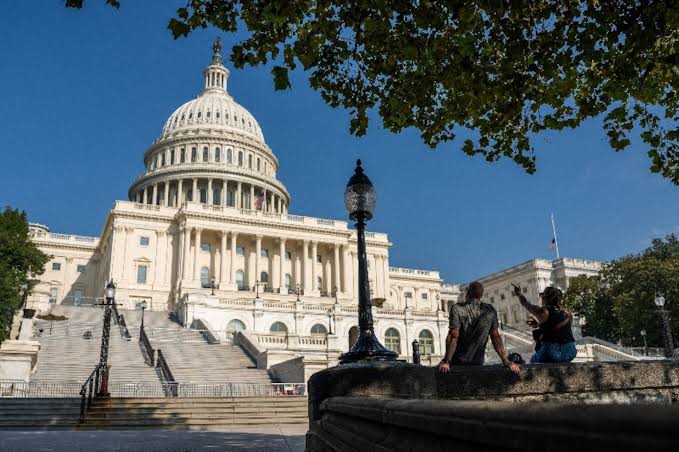
The latest vote in the U.S. House of Representatives to invoke congressional war powers places the Iran conflict at the intersection of military strategy, federal finances and institutional authority. Lawmakers voted 220-204 on September 15 to advance a resolution that would seek to end U.S. military action against Iran unless Congress authorizes its continuation. It was the third House attempt to take this position, while earlier measures have not reached President Donald Trump.
The significance of the vote extends beyond its immediate legislative prospects. The conflict, which began on February 28, has continued for nearly seven months, with recurring missile exchanges and wider disruption across the region. The prolonged duration has changed the economic and political context surrounding the war, particularly as lawmakers prepare to return home for the midterm election campaign.
One of the clearest consequences is financial. The Congressional Budget Office estimated that the war had cost more than $38 billion as of August 1, with ongoing expenses projected at between $2 billion and $3 billion per month depending on the intensity of military operations. The budget office also projected that the conflict would leave inflation 0.5 percentage points higher than otherwise expected heading into 2027.
That financial burden changes the strategic calculation for Washington. Military operations are not confined to battlefield decisions; they require continued allocations for weapons, logistics, personnel and other defense requirements. As the duration of the conflict increases, the opportunity cost of those expenditures also becomes more significant for federal budgeting and other national priorities.
Energy markets provide another direct channel through which the conflict reaches American households and businesses. Disruptions to oil flows through the Strait of Hormuz have contributed to higher gasoline prices, placing additional pressure on consumers already dealing with elevated costs. The combination of military spending and energy-related inflation gives the war an economic footprint well beyond defense policy.
For businesses, energy costs can affect transportation, manufacturing, distribution and consumer demand simultaneously. A prolonged period of elevated fuel prices can raise operating expenses while reducing the amount households can devote to discretionary purchases. That makes the duration and intensity of the conflict relevant not only to government policy but also to corporate planning and supply-chain decisions.
The House vote also highlights a constitutional and institutional dispute over the division of military authority. Congress has the constitutional power to declare war, while the president, as commander in chief, retains authority to conduct certain military operations. The War Powers Act, enacted after the Vietnam War, attempted to establish more specific limits by requiring congressional authorization for sustained military action after defined periods.
Repeated congressional votes demonstrate that the legal framework remains an active point of contention when military operations continue for an extended period. The House had previously approved similar resolutions in June and July, while the Senate had also approved a war powers resolution before Republican senators reversed their position the following day after Trump criticized them during a private meeting.
The political dimension is becoming increasingly connected to the economic one. The House vote came less than 50 days before the midterm elections, and the conflict has become part of the political debate surrounding control of Congress. Seven Republicans joined all House Democrats in supporting the latest resolution, up from four Republicans in the previous House votes. Among them were lawmakers from Iowa, a closely contested political environment, as well as other Republicans who supported the measure.
This shift does not by itself establish a broader change in party policy, but it does show that the war is producing disagreements within the Republican caucus as well as between Republicans and Democrats. Republican opponents of the resolution argue that Iran remains an ongoing threat and question what military resources would be removed from the region if the United States ended its current operations.
For the administration, the challenge is therefore multidimensional. Maintaining the military campaign requires continued financial resources and a strategy for sustaining operations, while congressional resistance creates pressure over authorization and oversight. At the same time, higher energy prices and inflation provide a domestic economic channel through which the consequences of foreign policy become more visible to voters and businesses.
The conflict is also becoming a test of institutional credibility. Repeated House resolutions that do not reach the president illustrate the limits of congressional action when the executive branch can prevent or veto measures intended to restrict its military authority. At the same time, continued congressional efforts indicate that lawmakers are unwilling to treat the war powers question as settled.
The next stage will depend on how the conflict develops and whether Congress continues to challenge the administration's authority. If military operations persist, the financial cost and inflationary effects identified by the Congressional Budget Office will remain central to the policy debate. If the conflict changes course, lawmakers will still face the broader question of how future military commitments should be authorized and financed.
For the U.S. economy and corporate sector, the key issue is not simply whether another congressional resolution succeeds. The more consequential question is whether the conflict continues long enough to create sustained pressure on federal spending, energy prices, inflation and business costs. The September vote therefore serves as another indicator that the Iran war has evolved from a foreign-policy decision into a wider economic and institutional challenge for the United States.
News You Should See
2026 Nobel Medicine Prize Honors Scientists Behind Optogenetics Breakthrough
Oil Prices Edge Lower as Stronger Middle East Exports and G7 Reserves Ease Supply Concerns
Trump Offers U.S. Assistance to Russia After Death at Siberian Plague Research Institute
Trump Takes Economic Message to Nebraska as GOP Faces Rising Cost-of-Living Pressure
U.S. Appeals Court Weighs Trump Administration’s $2.6 Billion Harvard Funding Fight
U.S. Midterm Elections Begin With Resilient Jobs Market and Persistent Cost Pressures
Latest News
The 2026 Nobel Prize in Physiology or Medicine honors Karl Deisseroth, Peter Hegemann and Georg Nagel for pioneering research behind optogenetics and its impact on neuroscience.
Oil prices edged lower as stronger Middle Eastern exports and a planned G7 release of 100 million barrels eased immediate supply concerns, while Gulf security risks and the Strait of Hormuz kept markets alert.
President Donald Trump said the United States would help Russia if needed after a laboratory worker died at a Siberian plague research institute, as Russian authorities imposed precautionary quarantine measures.
Trump’s Nebraska campaign stop highlights rising fuel and grocery costs, beef prices and growing economic pressure on Republicans ahead of the November midterm elections.
A U.S. appeals court is reviewing the Trump administration’s effort to cut Harvard’s federal research funding, with more than $2.6 billion at stake.
The U.S. enters the 2026 midterm elections with unemployment at 4.2%, while higher living and energy costs create economic pressure for households and businesses.
US services growth eased in September as input prices climbed to their highest level since July 2022, with fuel costs, supply-chain disruptions and strong demand increasing pressure on businesses.
Rising Treasury yields are increasing U.S. borrowing costs as Washington manages record debt, persistent inflation and strong economic demand, narrowing its policy options.
A EGP 16 million corporate partnership will establish and equip a bone marrow transplant unit at Cairo’s Coptic Hospital, supporting access to specialized treatment for patients.