U.S. Finalizes Lower Vehicle Fuel Economy Standards
New U.S. fuel economy rules lower the 2031 fleetwide target to 34.9 mpg, reducing automakers’ compliance costs while increasing projected fuel consumption.

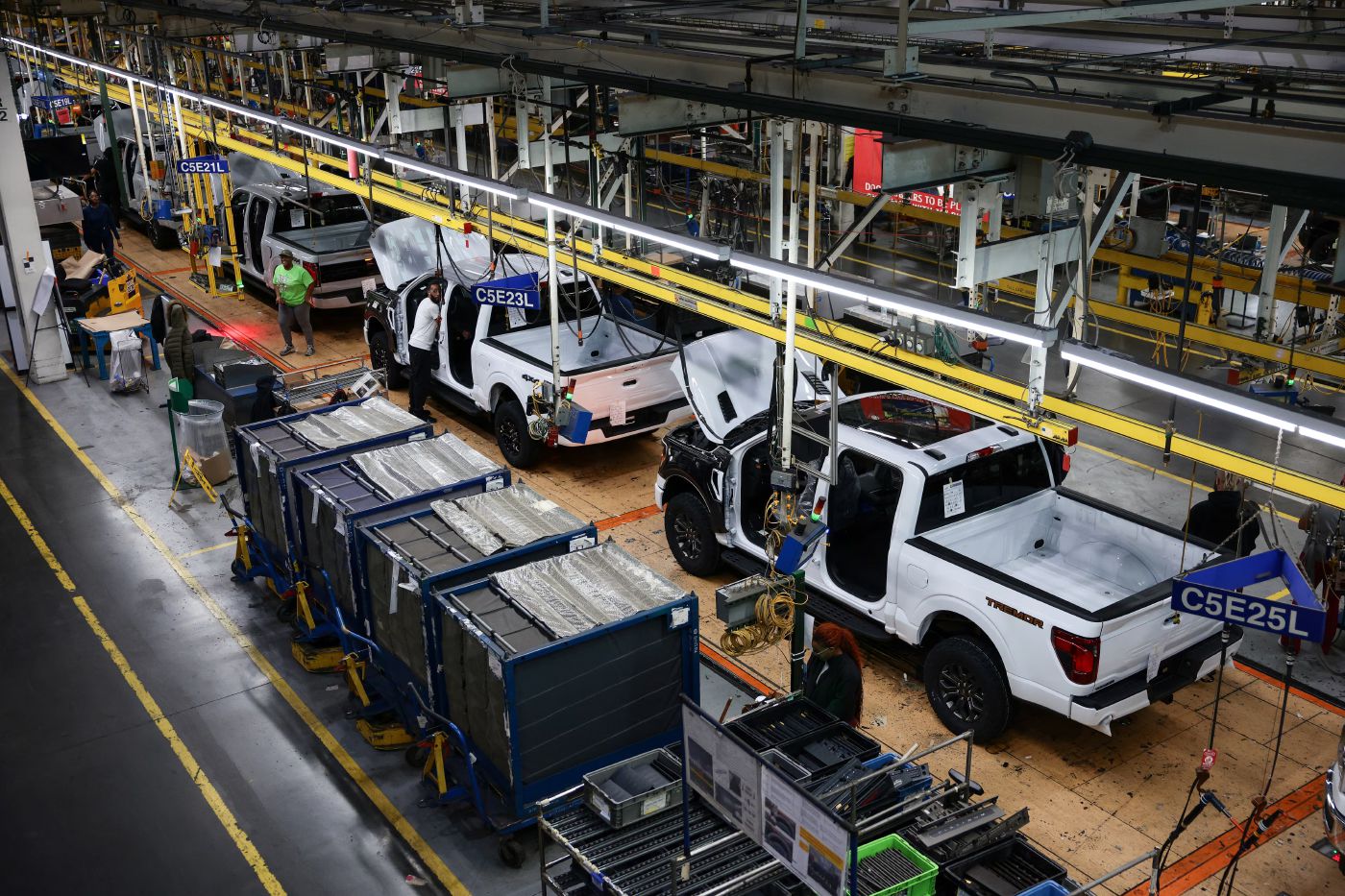
The United States is shifting the regulatory framework governing vehicle efficiency, giving automakers more room to produce gasoline-powered models while reducing the pressure to meet increasingly demanding fuel-economy targets. The final rule issued by the Transportation Department sets a fleetwide average of 34.9 miles per gallon by model year 2031, compared with the 50.4 mpg target established under the previous administration.
The change has direct implications for the economics of vehicle production. The Transportation Department estimates that manufacturers will save about $1,289 in average compliance costs per vehicle under the new approach. For automakers, that creates additional flexibility in product planning and reduces some of the engineering and regulatory costs associated with improving fuel efficiency.
That flexibility could also influence the composition of the U.S. vehicle market. When regulatory requirements become less demanding, manufacturers have greater scope to allocate capital toward models with traditionally higher fuel consumption, including larger gasoline-powered vehicles. This may matter particularly in a market where consumer demand, vehicle affordability and operating costs are competing considerations.
The regulatory shift also changes the strategic environment for automakers. Under the earlier framework, tighter efficiency requirements encouraged manufacturers to invest in fuel-saving technologies and expand electrified vehicle offerings. The new rules reduce one of the regulatory incentives pushing companies in that direction, potentially allowing manufacturers to reassess the pace and scale of investments across gasoline, hybrid and electric vehicle programs.
For major automotive brands, the issue extends beyond engineering compliance. Product portfolios are closely tied to brand positioning, profitability and consumer expectations. A company that relies heavily on trucks and sport utility vehicles may benefit from greater regulatory flexibility, while manufacturers pursuing a technology-led identity built around efficiency and electrification may face a different strategic calculation.
The consumer impact is more complicated than the lower upfront cost of vehicles. The department says the revised rules are expected to reduce vehicle costs, but its analysis also points to higher fuel consumption over time. Reuters reported that the new standards are expected to increase gasoline consumption compared with the previous standards, illustrating the trade-off between lowering regulatory costs at the point of production and potentially increasing operating costs for drivers.
The scale of that trade-off becomes more significant when viewed over the long term. The Transportation Department estimates that the revised standards will result in U.S. gasoline consumption being 4.6% higher through 2050 than under the previous standards. That makes fuel prices an increasingly important part of the economic equation facing households purchasing less-efficient vehicles.
The decision also creates a new planning environment for suppliers. Companies producing engines, transmissions, batteries, efficiency technologies and other automotive components must assess demand against a regulatory framework that places less pressure on manufacturers to improve fleetwide efficiency at the same pace. The result could be a more varied technology mix rather than a single regulatory direction for the industry.
At the same time, the rule does not remove the broader market forces pushing the automotive industry toward lower-emission technologies. Consumer preferences, state-level policies, global competition and investments already made in electrification will continue to shape corporate decisions. Automakers therefore face a strategic choice between using the additional regulatory flexibility to preserve traditional product lines and continuing to invest aggressively in technologies designed for a more efficiency-focused market.
Industry groups representing major automakers have supported the revised standards, arguing that they better correspond with current market conditions and consumer demand. Environmental organizations have taken the opposite position, warning that weaker efficiency requirements could increase fuel consumption and emissions. These competing assessments reflect a broader debate over whether vehicle regulation should primarily reduce production costs and expand consumer choice or accelerate the transition toward lower-emission transportation.
For the automotive industry, the most consequential effect may therefore be strategic rather than immediate. Lower compliance costs can improve flexibility and potentially support vehicle affordability, but higher fuel consumption creates another cost that is transferred over the operating life of vehicles. The new framework gives manufacturers more freedom, while placing greater importance on how individual companies interpret consumer demand, energy prices and the long-term direction of transportation technology.
The U.S. auto market is consequently entering a period in which regulation will exert less direct pressure toward maximum fuel efficiency. Whether that produces cheaper vehicles, changes the balance between gasoline and electrified models, or alters investment priorities will depend not only on the rule itself but also on fuel prices, consumer purchasing behavior and the competitive strategies adopted by individual manufacturers.
News You Should See
2026 Nobel Medicine Prize Honors Scientists Behind Optogenetics Breakthrough
Oil Prices Edge Lower as Stronger Middle East Exports and G7 Reserves Ease Supply Concerns
Trump Offers U.S. Assistance to Russia After Death at Siberian Plague Research Institute
Trump Takes Economic Message to Nebraska as GOP Faces Rising Cost-of-Living Pressure
U.S. Appeals Court Weighs Trump Administration’s $2.6 Billion Harvard Funding Fight
U.S. Midterm Elections Begin With Resilient Jobs Market and Persistent Cost Pressures
Latest News
The 2026 Nobel Prize in Physiology or Medicine honors Karl Deisseroth, Peter Hegemann and Georg Nagel for pioneering research behind optogenetics and its impact on neuroscience.
Oil prices edged lower as stronger Middle Eastern exports and a planned G7 release of 100 million barrels eased immediate supply concerns, while Gulf security risks and the Strait of Hormuz kept markets alert.
President Donald Trump said the United States would help Russia if needed after a laboratory worker died at a Siberian plague research institute, as Russian authorities imposed precautionary quarantine measures.
Trump’s Nebraska campaign stop highlights rising fuel and grocery costs, beef prices and growing economic pressure on Republicans ahead of the November midterm elections.
A U.S. appeals court is reviewing the Trump administration’s effort to cut Harvard’s federal research funding, with more than $2.6 billion at stake.
The U.S. enters the 2026 midterm elections with unemployment at 4.2%, while higher living and energy costs create economic pressure for households and businesses.
US services growth eased in September as input prices climbed to their highest level since July 2022, with fuel costs, supply-chain disruptions and strong demand increasing pressure on businesses.
Rising Treasury yields are increasing U.S. borrowing costs as Washington manages record debt, persistent inflation and strong economic demand, narrowing its policy options.
A EGP 16 million corporate partnership will establish and equip a bone marrow transplant unit at Cairo’s Coptic Hospital, supporting access to specialized treatment for patients.