US Data Centers Consume as Much Electricity as Michigan, Harvard Study Reveals
A Harvard study of 403 hyperscale data centers highlights the growing energy and environmental costs of expanding artificial intelligence infrastructure.

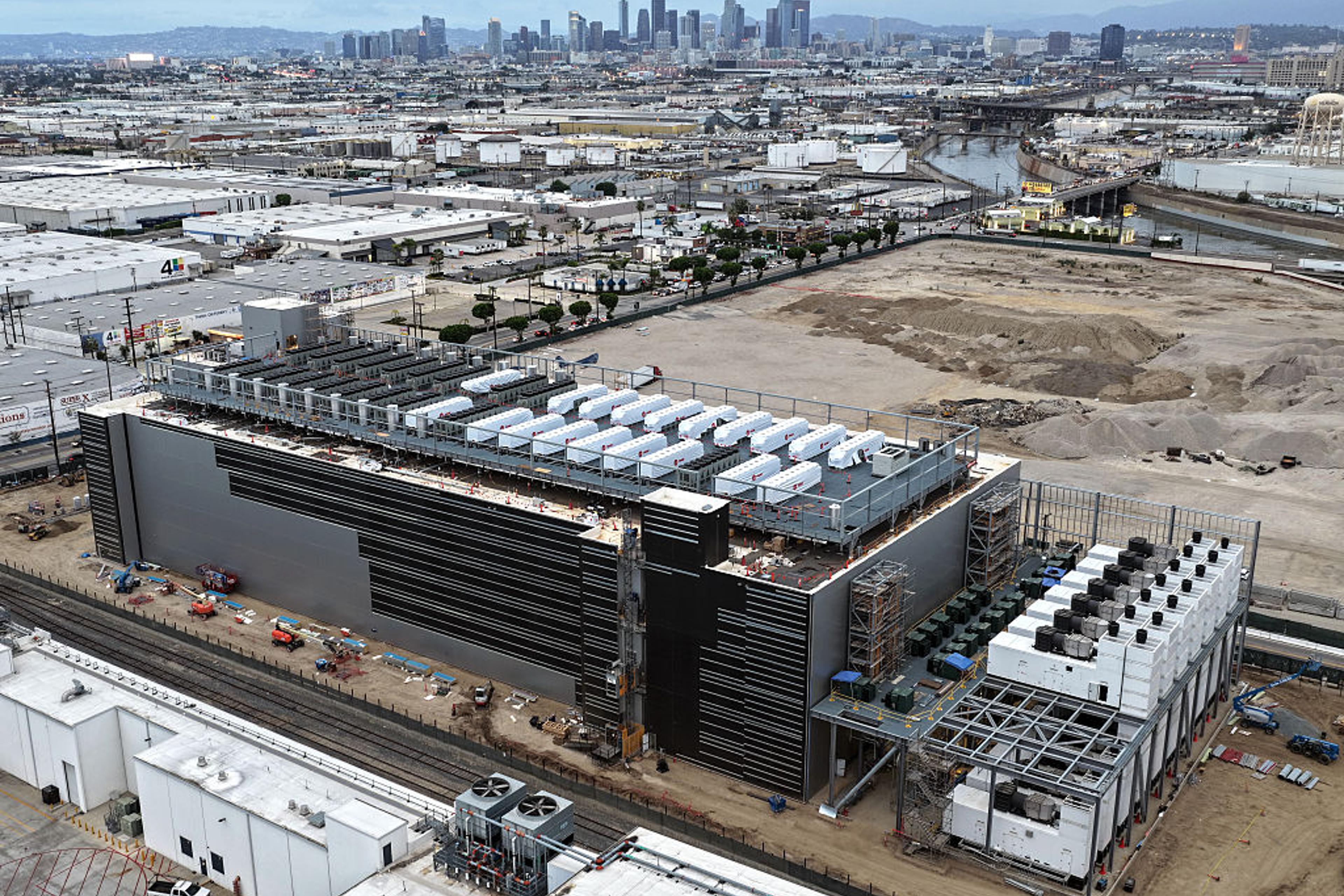
The rapid development of artificial intelligence is creating a growing demand for computing infrastructure, bringing the energy consumption of large data centers under increasing scrutiny. New research from Harvard highlights the scale of this challenge, suggesting that electricity requirements across major US facilities have reached levels comparable to those of an entire state.
The study examined 403 hyperscale data centers and estimated their combined annual electricity consumption at between 68 and 99 terawatt-hours. According to the findings, this represents an energy demand comparable to the electricity consumed by Michigan, illustrating the substantial resources required to operate large-scale computing infrastructure.
The figures offer an indication of how the expansion of digital services and artificial intelligence is changing the country's electricity requirements.
Fossil Fuels Remain a Major Energy Source
Beyond electricity consumption, the research raises concerns about the environmental consequences of operating these facilities.
Approximately 54% of the electricity used by the data centers reportedly comes from fossil fuels, demonstrating the continued dependence on conventional energy sources despite growing investment in cleaner technologies.
The study also estimated that the facilities' greenhouse gas emissions exceed Denmark's annual emissions. This comparison highlights the environmental footprint associated with maintaining large computing systems and supporting the growing demand for AI services.
Data centers require substantial electricity to operate servers, networking equipment, and cooling systems. As computing workloads increase, maintaining reliable power supplies becomes an increasingly important challenge for technology companies and energy providers.
AI Expansion Creates New Infrastructure Challenges
The findings arrive as major technology companies continue investing in larger data centers to support artificial intelligence development, cloud computing, and other digital services.
As these facilities become more powerful and widespread, their electricity requirements are expected to remain a central issue in discussions about the future of the technology sector.
Improving energy efficiency represents one potential way to reduce the pressure on electricity networks. Companies may also benefit from expanding access to renewable energy and adopting more effective cooling technologies.
Infrastructure planning will also play an important role, particularly as new facilities increase demand in regions where electricity supplies and transmission networks may already face pressure.
Balancing Technological Progress With Environmental Responsibility
The Harvard research highlights a broader challenge facing the technology industry: expanding artificial intelligence capabilities while limiting the environmental costs associated with their operation.
Although data centers are essential to modern digital services, their growing energy consumption raises questions about the long-term sustainability of the industry's expansion.
The transition toward cleaner electricity, more efficient computing systems, and improved infrastructure management could help address these concerns.
Ultimately, the future growth of artificial intelligence will depend not only on advances in computing power but also on the industry's ability to develop the energy resources needed to support it responsibly.
News You Should See
The Hunger Games: Sunrise on the Reaping Delivers $225 Million Global Box Office Debut
US Data Centers Consume as Much Electricity as Michigan, Harvard Study Reveals
AI Enables a 12,000-Pound John Deere Loader to Perform Two-Wheel Stunts
Kodak Launches SlideTag, a Digital Photo Frame with Built-In Bluetooth Tracking
Samsung May Shift Galaxy Watch to a Two-Year Launch Cycle Amid Sales Challenges
Barcelona Stage Stunning Comeback to Defeat Villarreal 3-2 and Extend LaLiga Lead
Latest News
The Hunger Games: Sunrise on the Reaping earns $225 million worldwide in its opening weekend, strengthening the franchise's box-office position.
Harvard research estimates that 403 US hyperscale data centers consume up to 99 terawatt-hours annually, raising concerns about AI's environmental impact.
Researchers train a 12,000-pound John Deere 332G loader using AI and reinforcement learning to balance on two wheels and perform controlled movements.
Kodak introduces SlideTag, a $34.99 digital photo accessory featuring a 1.54-inch E Ink screen, photo storage, and Bluetooth tracking support.
Samsung may skip next year's Galaxy Watch launch after disappointing sales expectations, potentially shifting to a two-year release cycle while prioritizing software improvements.
Barcelona come from two goals down to beat Villarreal 3-2 at Camp Nou, with Gerard Martín, Fermín López, and Pau Navarro's own goal securing victory.
Liverpool defeat Manchester United 4-0 at Anfield after Leny Yoro's early red card marks a difficult Premier League debut for Mauricio Pochettino.
Five Aberdeen Township police officers receive New Jersey PBA Valor Awards for their bravery during an alleged kerosene attack.
NYC hate crimes prevention director Vijah Ramjattan meets Muslim community members to discuss public safety, trust, inclusion, and hate crime prevention.