U.S. Appeals Court Weighs Trump Administration’s $2.6 Billion Harvard Funding Fight
The First Circuit is reviewing the legal basis for restoring billions in Harvard research funding after a lower court found the administration’s cuts unlawful.

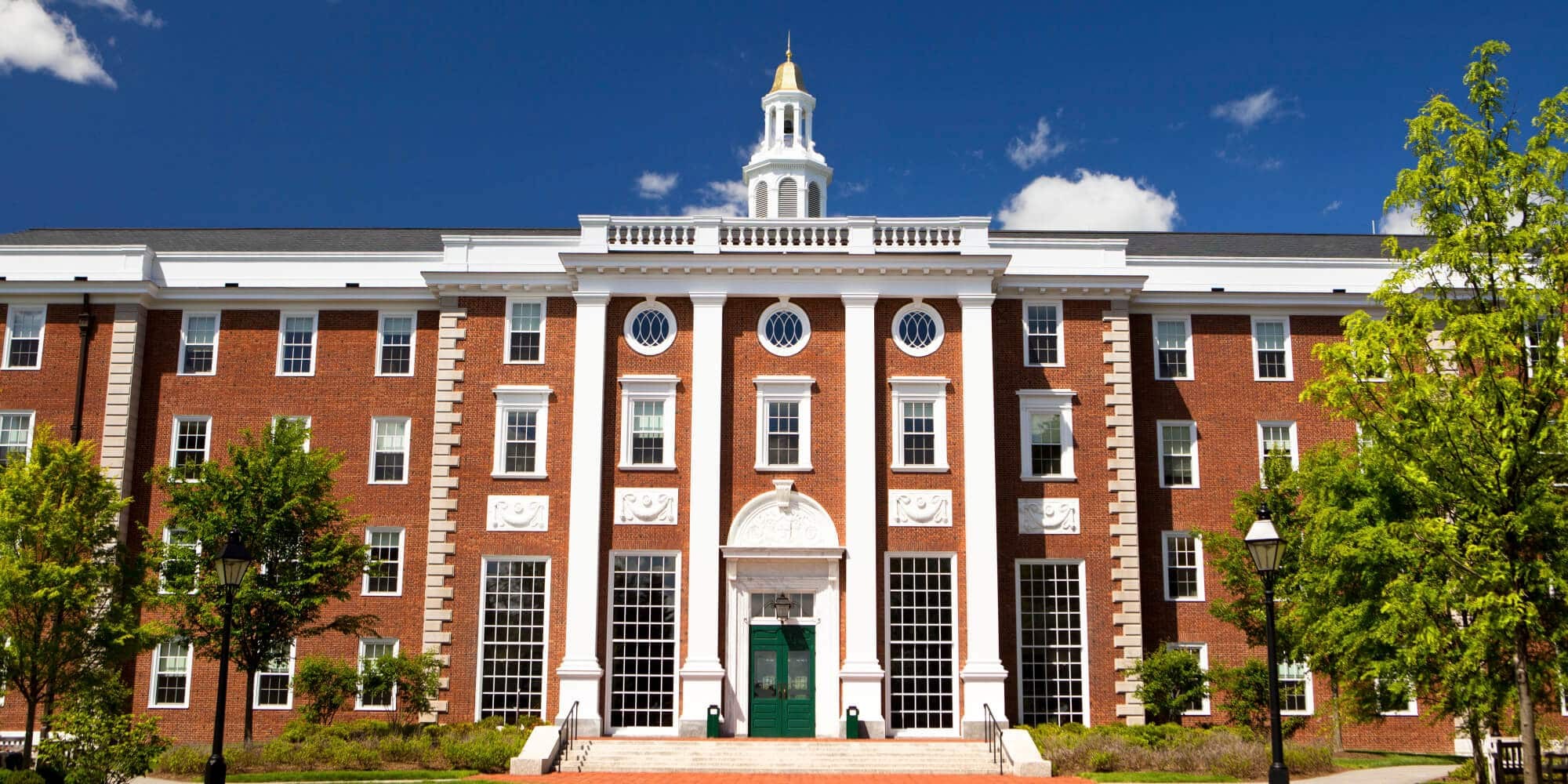
Harvard University’s battle with the Trump administration over federal research funding has moved to a new stage, with a U.S. appeals court examining the legal basis for restoring billions of dollars that the government sought to terminate.
The dispute places a much broader issue alongside the immediate question of Harvard’s funding: how far the federal government can go in using financial support for university research as a means of enforcing its priorities on institutional policy and governance.
The Trump administration has linked its actions to concerns over antisemitism at Harvard and has argued that the university did not respond adequately to the problem. Federal officials have maintained that agencies have authority to reconsider or withdraw funding when institutions receiving government support fail to satisfy applicable requirements.
Harvard has rejected that interpretation. The university argues that the funding measures were retaliation for its refusal to accept a series of demands affecting governance, hiring, admissions and other areas of institutional policy. It contends that the government’s approach raises constitutional concerns, including First Amendment protections.
The legal dispute gained momentum after U.S. District Judge Allison Burroughs ruled in Harvard’s favor in 2025, concluding that the funding terminations violated the university’s constitutional rights and ordering the restoration of more than $2.6 billion in research funding. The Justice Department subsequently appealed.
The government’s position before the appeals court has also placed greater emphasis on jurisdiction. Justice Department lawyers have argued that the dispute is fundamentally contractual and that the federal Court of Federal Claims, rather than the district court, should handle the monetary dispute. The administration is therefore challenging not only the substance of the lower court’s decision but also its authority to order the restoration of the funds.
Harvard, by contrast, has argued that the case cannot be reduced to a conventional disagreement over government contracts. Its position is that the funding decisions were connected to broader allegations of retaliation and discrimination and therefore involve constitutional questions beyond the ordinary administration of research grants.
The stakes extend well beyond Harvard’s balance sheet. Federal research grants play a major role in the operating model of major American universities, supporting scientific programs, medical research and long-term projects that often depend on multiyear government commitments. A sustained disruption in that funding can affect research planning, staffing and investment decisions.
For universities, the case could therefore influence how institutional leaders assess their exposure to federal policy changes. If research grants can be withdrawn or conditioned in response to disagreements over university governance, institutions may face greater uncertainty when planning research programs that rely on federal support.
The outcome could also shape the government's leverage over higher education. A ruling focused on jurisdiction would address where such funding disputes should be litigated, while a broader ruling on constitutional protections could influence the circumstances under which federal financial support may be tied to institutional conduct.
The appeals court did not issue an immediate ruling after hearing arguments on October 5, leaving the central questions unresolved.
The Harvard case is consequently more than a dispute over a multibillion-dollar research budget. It is becoming a test of the legal boundaries between federal funding authority, university autonomy and constitutional protections, with implications that could reach other research institutions dependent on Washington for a significant share of their funding.
News You Should See
2026 Nobel Medicine Prize Honors Scientists Behind Optogenetics Breakthrough
Oil Prices Edge Lower as Stronger Middle East Exports and G7 Reserves Ease Supply Concerns
Trump Offers U.S. Assistance to Russia After Death at Siberian Plague Research Institute
Trump Takes Economic Message to Nebraska as GOP Faces Rising Cost-of-Living Pressure
U.S. Appeals Court Weighs Trump Administration’s $2.6 Billion Harvard Funding Fight
U.S. Midterm Elections Begin With Resilient Jobs Market and Persistent Cost Pressures
Latest News
The 2026 Nobel Prize in Physiology or Medicine honors Karl Deisseroth, Peter Hegemann and Georg Nagel for pioneering research behind optogenetics and its impact on neuroscience.
Oil prices edged lower as stronger Middle Eastern exports and a planned G7 release of 100 million barrels eased immediate supply concerns, while Gulf security risks and the Strait of Hormuz kept markets alert.
President Donald Trump said the United States would help Russia if needed after a laboratory worker died at a Siberian plague research institute, as Russian authorities imposed precautionary quarantine measures.
Trump’s Nebraska campaign stop highlights rising fuel and grocery costs, beef prices and growing economic pressure on Republicans ahead of the November midterm elections.
A U.S. appeals court is reviewing the Trump administration’s effort to cut Harvard’s federal research funding, with more than $2.6 billion at stake.
The U.S. enters the 2026 midterm elections with unemployment at 4.2%, while higher living and energy costs create economic pressure for households and businesses.
US services growth eased in September as input prices climbed to their highest level since July 2022, with fuel costs, supply-chain disruptions and strong demand increasing pressure on businesses.
Rising Treasury yields are increasing U.S. borrowing costs as Washington manages record debt, persistent inflation and strong economic demand, narrowing its policy options.
A EGP 16 million corporate partnership will establish and equip a bone marrow transplant unit at Cairo’s Coptic Hospital, supporting access to specialized treatment for patients.