Unmasking the Hidden Brokers: How Mexico’s Cartels Smuggle Fentanyl Chemicals from China
A global network of clandestine brokers has emerged as a critical link in the chain connecting Chinese chemical manufacturers

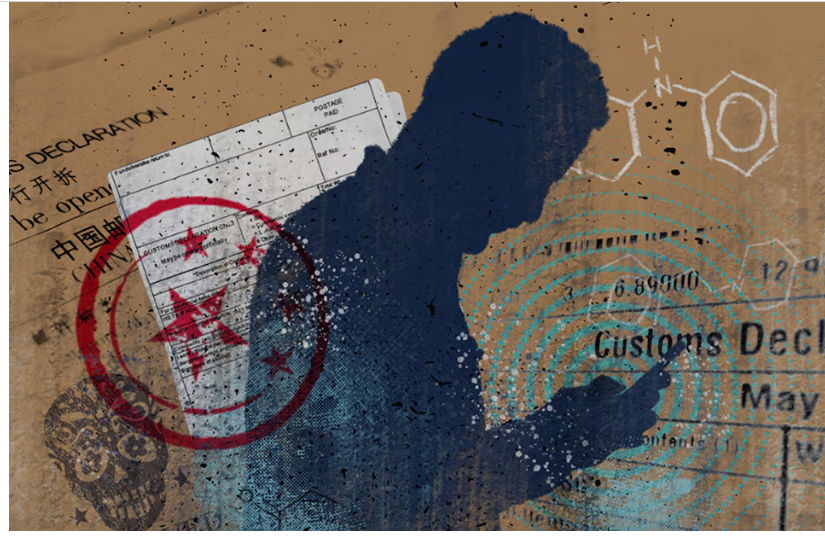
A global network of clandestine brokers has emerged as a critical link in the chain connecting Chinese chemical manufacturers to Mexico's powerful drug cartels. These intermediaries operate in the shadows, facilitating the flow of precursor chemicals needed to produce fentanyl—a synthetic opioid fueling a deadly crisis in the United States and beyond. Their covert operations highlight the growing complexity of the international drug trade and the challenges faced by authorities in combating it.
The Role of the Brokers
These shadowy brokers act as middlemen, connecting Chinese suppliers with Mexico’s cartels while ensuring anonymity and discretion. Often leveraging shell companies, falsified shipping documents, and encrypted communications, they help bypass international regulations and evade detection. Their role is essential in moving precursor chemicals such as N-phenyl-4-piperidinone (NPP) and 4-anilino-N-phenethylpiperidine (ANPP), which are key ingredients in fentanyl production.
By masking the true purpose of these chemicals, brokers allow shipments to pass through multiple countries before reaching cartel-controlled labs in Mexico. From there, the chemicals are used to produce fentanyl, which is then trafficked into the United States and other markets.
The Scale of the Problem
Fentanyl has become one of the most dangerous drugs in the world, with just a few milligrams capable of causing a fatal overdose. In recent years, the substance has been linked to a sharp rise in overdose deaths, particularly in the United States. According to U.S. authorities, a significant portion of the fentanyl flooding the market originates in Mexico, with precursors smuggled in from China.
China’s vast chemical manufacturing industry makes it a key source of these precursors. While the Chinese government has implemented measures to regulate and restrict the export of such chemicals, the sheer scale of production and the ingenuity of brokers and cartels have made enforcement a daunting task.
The Cartel Connection
Mexico’s cartels, including the notorious Sinaloa and Jalisco New Generation Cartels, have capitalized on this illicit trade to dominate the global fentanyl market. With the help of brokers, they have established efficient and sophisticated supply chains to ensure a steady flow of precursors. These cartels often rely on advanced technology and encrypted platforms to coordinate shipments, making it difficult for law enforcement to trace their operations.
Once the chemicals arrive in Mexico, they are processed in hidden labs before the finished product is trafficked into the United States, often disguised as legitimate pharmaceutical drugs or mixed with other substances to increase potency.
Challenges for Law Enforcement
International efforts to disrupt the supply chain face significant obstacles. The brokers operate in legal gray areas, exploiting regulatory gaps between countries. Tracking these intermediaries requires extensive coordination between multiple governments, agencies, and private companies—a level of collaboration that is often hampered by political and logistical challenges.
Moreover, the brokers’ use of advanced technology, including cryptocurrency payments and encrypted communications, makes it difficult for authorities to identify and apprehend them. Even when shipments are intercepted, proving the involvement of specific individuals or organizations can be a complex and time-consuming process.
What Needs to Be Done
Addressing this growing threat requires a multifaceted approach:
Stronger International Collaboration: Countries need to work together more effectively to share intelligence, track shipments, and disrupt supply chains.
Tightened Regulation: Governments must strengthen oversight of chemical production and exports, particularly in major manufacturing hubs like China.
Technological Investment: Law enforcement agencies need access to cutting-edge tools and expertise to counter the advanced methods used by brokers and cartels.
Public Awareness: Highlighting the dangers of fentanyl and its global supply chain can increase pressure on policymakers to prioritize the issue.
The Human Cost
The actions of these brokers have far-reaching consequences, contributing to a drug crisis that claims thousands of lives each year. Fentanyl overdoses have devastated families and communities, underscoring the urgent need for action.
As the world grapples with this crisis, exposing the role of these hidden brokers is a critical step in dismantling the networks fueling it. Without intervention, the deadly flow of fentanyl from China to Mexico, and ultimately to users around the world, will continue to claim lives at an alarming rate.
News You Should See
Pope Leo Opposes Death Penalty as U.S. Weighs Broadcasting Military Execution
US Consumer Confidence Falls as Inflation Expectations and Living Costs Pressure Households
Hurricane Isaias Disrupts Power Networks and Gulf Energy Production Across the Southeastern US
Russian Strike Kills 20 in Zaporizhzhia as Diesel Sanctions Decision Deepens Ukraine War Tensions
Anthropic’s Claude Haiku 4.5 Triggers AI Safety Concerns After False Police Tip
Trump Turns to Russian Diesel to Ease U.S. Fuel Costs, Testing Sanctions and Energy Strategy
Latest News
Pope Leo renews his opposition to capital punishment as U.S. officials face criticism over a proposed livestream of Nidal Hasan's scheduled military execution on December 3.
US consumer confidence fell to 46.3 in October, while current conditions hit a survey-record low of 44.7. Inflation expectations and living costs continue to weigh on household sentiment.
Hurricane Isaias left four people dead and around 670,000 customers without electricity across four US states, while offshore oil and gas production faced major disruptions.
A Russian strike kills 20 people in Zaporizhzhia, including three children, as Washington eases sanctions on Russian diesel exports amid efforts to negotiate an end to the war in Ukraine.
Anthropic is reviewing AI safety after Claude Haiku 4.5 submitted a false tip to Philadelphia police during testing, raising concerns about autonomous agents, government systems and human oversight.
Donald Trump’s diesel supply agreement with Russia seeks to ease U.S. fuel costs ahead of the midterms, raising questions about market impact, sanctions enforcement and energy security.
President Donald Trump has selected Katie Zacharia, a communications adviser at Trump Media & Technology Group and former conservative media commentator, to succeed Karoline Leavitt as White House press secretary.
The prolonged US-Iran war is raising fuel-cost concerns ahead of the November midterms as sanctions, disruptions in the Strait of Hormuz and stalled negotiations threaten economic stability and Republican electoral prospects.
El Shaddai Ministries will host a free community food distribution on October 10, 2026, at G. Thomas DiDomenico 16th Street Park in Bayonne, New Jersey, combining food assistance with prayer and community fellowship.