UN Warns of “Undignified” Return of 3 Million Afghans Amid Humanitarian Crisis
More than 1.6 million Afghans have already returned this year, overwhelming aid services in a country struggling with economic collapse and conflict.

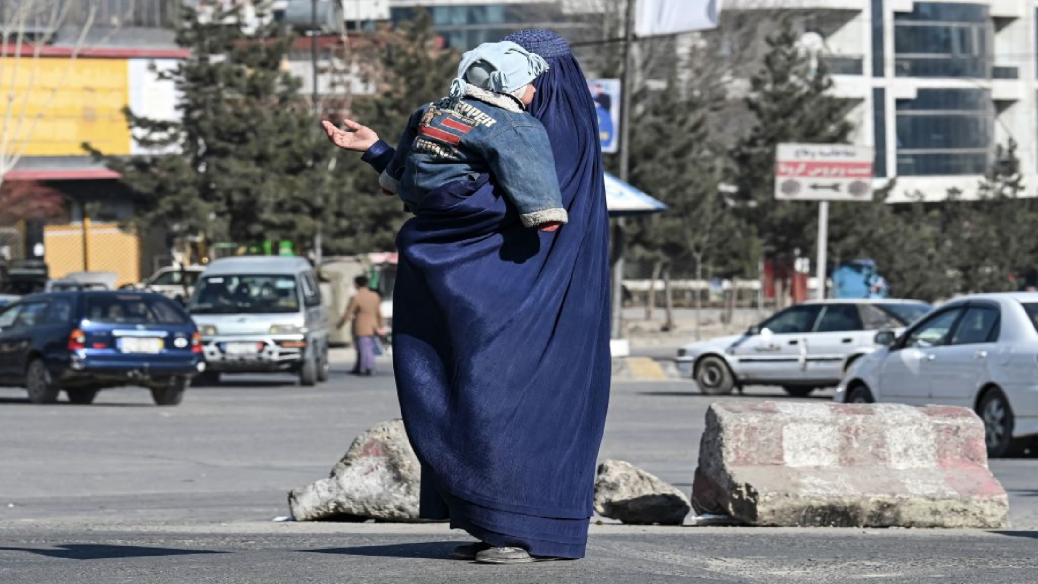
KABUL – As many as three million Afghans could return to their homeland in 2025, the United Nations warned on Friday, citing an “undignified, disorganized, and massive exodus” triggered by new expulsion policies in Iran and Pakistan.
The alarm was raised by Arafat Jamal, the UN High Commissioner for Refugees (UNHCR) representative in Afghanistan, during a video press conference from Kabul.
“What we are seeing is the undignified, disorganized and massive exodus of Afghans from both countries,” Jamal said. “This is generating enormous pressures on the homeland that is willing to receive them and yet utterly unprepared to do so.”
A Crisis of Scale
More than 1.6 million Afghans have already returned to Afghanistan this year — the majority from Iran, which had given four million undocumented Afghans until July 6 to leave or face deportation. That number has already surpassed the UN’s original forecast of 1.4 million returns for the entire year.
According to UNHCR, over 30,000 people per day are crossing into Afghanistan through the Islam Qala border — a figure that peaked at 50,000 on July 4 alone.
Many returnees arrive in desperate condition, having been abruptly uprooted, arrested, or deported, often without warning.
“They arrive tired, disoriented, brutalized and often in despair,” Jamal said, adding that many have reported mistreatment at the hands of Iranian authorities.
Humanitarian Infrastructure Overwhelmed
Afghanistan’s already fragile infrastructure is buckling under the pressure. With a collapsing economy, widespread poverty, and a dire lack of public services, the country is unprepared to absorb the mass influx.
The UN has deployed emergency aid, including:
Reinforcement of water and sanitation systems designed for just 7,000–10,000 people per day
Vaccination drives and nutrition assistance
On-ground support at key border crossings
But humanitarian agencies warn that these measures fall far short of what’s needed, especially as Afghanistan continues to face other crises, including drought, unemployment, and restrictions on women's rights that have affected aid delivery.
Iran and Pakistan Ramp Up Pressure
Both Iran and Pakistan have tightened their immigration policies, citing security concerns and resource constraints. While Tehran has pushed out Afghans en masse, Islamabad has also undertaken forced returns, especially since the fall of Kabul in 2021.
Rights groups have criticized the deportations as inhumane and in violation of international protections for refugees.
What’s Next?
UNHCR now estimates up to three million returns in 2025, a figure that would strain even the best-prepared governments — let alone one under the Taliban regime, which faces international isolation and limited funding.
Jamal emphasized the need for greater international support to scale up humanitarian operations and protect the rights of returning Afghans, who risk facing unemployment, displacement, and lack of access to housing or healthcare.
“We urge regional governments and the international community to work together to ensure returns are conducted in safety and dignity — not through coercion or chaos,” Jamal concluded.
News You Should See
The Hunger Games: Sunrise on the Reaping Delivers $225 Million Global Box Office Debut
US Data Centers Consume as Much Electricity as Michigan, Harvard Study Reveals
AI Enables a 12,000-Pound John Deere Loader to Perform Two-Wheel Stunts
Kodak Launches SlideTag, a Digital Photo Frame with Built-In Bluetooth Tracking
Samsung May Shift Galaxy Watch to a Two-Year Launch Cycle Amid Sales Challenges
Barcelona Stage Stunning Comeback to Defeat Villarreal 3-2 and Extend LaLiga Lead
Latest News
The Hunger Games: Sunrise on the Reaping earns $225 million worldwide in its opening weekend, strengthening the franchise's box-office position.
Harvard research estimates that 403 US hyperscale data centers consume up to 99 terawatt-hours annually, raising concerns about AI's environmental impact.
Researchers train a 12,000-pound John Deere 332G loader using AI and reinforcement learning to balance on two wheels and perform controlled movements.
Kodak introduces SlideTag, a $34.99 digital photo accessory featuring a 1.54-inch E Ink screen, photo storage, and Bluetooth tracking support.
Samsung may skip next year's Galaxy Watch launch after disappointing sales expectations, potentially shifting to a two-year release cycle while prioritizing software improvements.
Barcelona come from two goals down to beat Villarreal 3-2 at Camp Nou, with Gerard Martín, Fermín López, and Pau Navarro's own goal securing victory.
Liverpool defeat Manchester United 4-0 at Anfield after Leny Yoro's early red card marks a difficult Premier League debut for Mauricio Pochettino.
Five Aberdeen Township police officers receive New Jersey PBA Valor Awards for their bravery during an alleged kerosene attack.
NYC hate crimes prevention director Vijah Ramjattan meets Muslim community members to discuss public safety, trust, inclusion, and hate crime prevention.