UN Security Council and New Diplomatic Moves on the Horn of Africa Region
UN Security Council and New Diplomatic Moves on the Horn of Africa Region

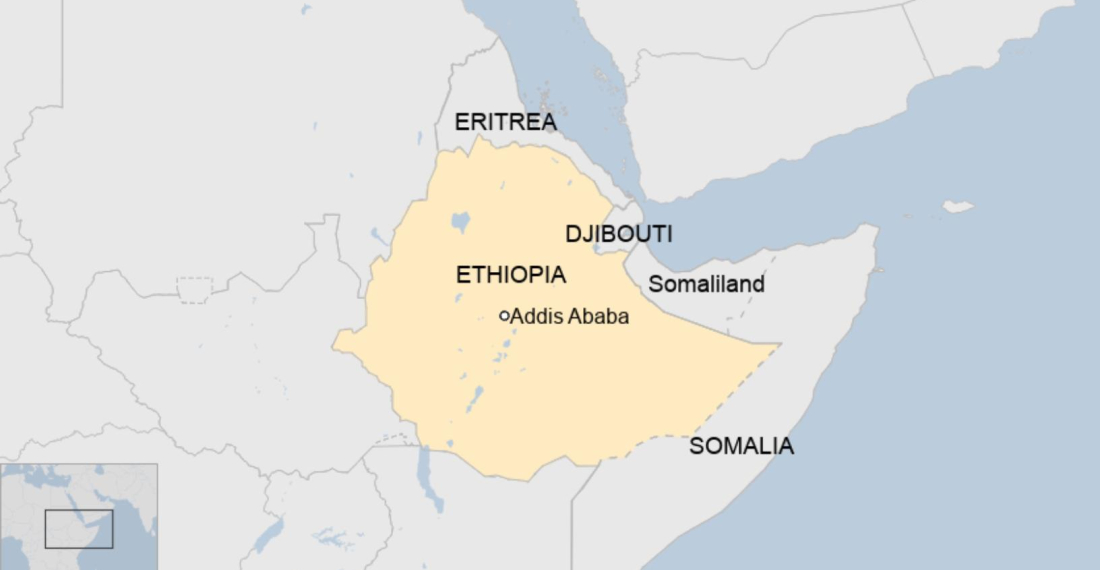
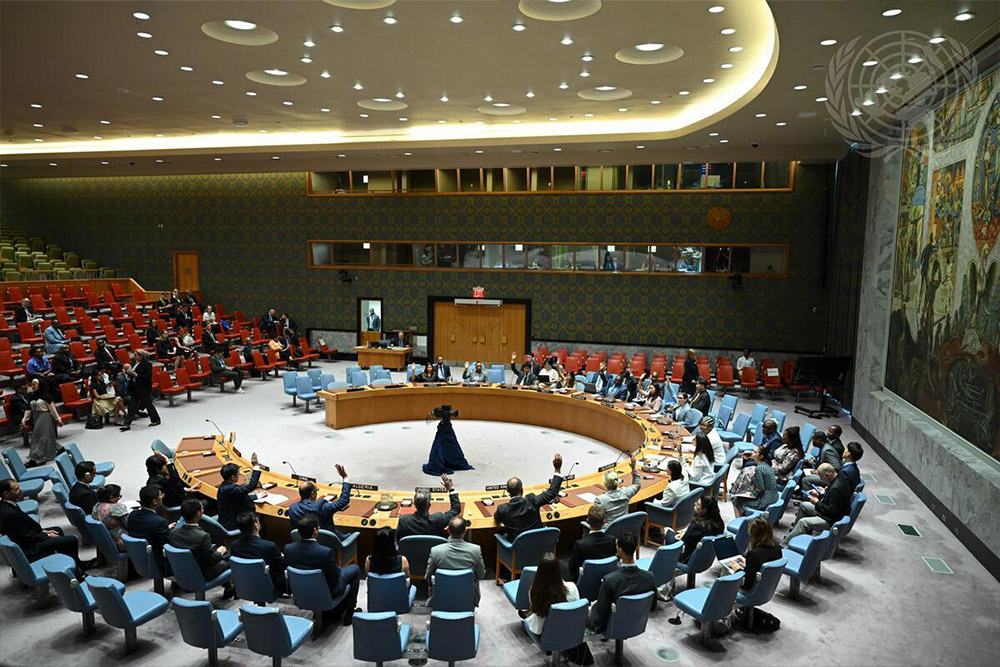
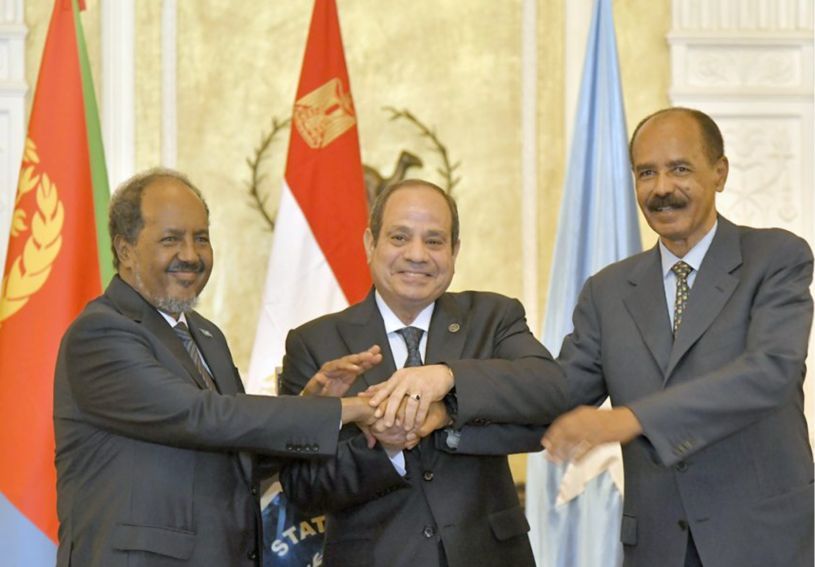
The United Nations Security Council has intensified its focus on the Horn of Africa amid growing political, security, and humanitarian challenges, as international and regional actors pursue new diplomatic initiatives aimed at stabilizing one of the world’s most volatile regions.
The renewed attention comes as conflicts, fragile political transitions, climate-related crises, and geopolitical competition continue to shape developments across countries including Sudan, Somalia, Ethiopia, Eritrea, and Djibouti.
Security Council Engagement and Key Concerns
In recent sessions, the Security Council has discussed the deteriorating security situation in parts of the Horn of Africa, with particular concern over armed conflicts, cross-border tensions, and the activities of militant groups. Council members have emphasized the risks posed by prolonged instability, warning that continued violence could further undermine regional and international security.
Special envoys and UN officials briefing the Council highlighted the interconnected nature of the region’s crises, noting that political instability in one country often has direct spillover effects on neighboring states.
Diplomatic Efforts to Address Regional Conflicts
Alongside Security Council deliberations, new diplomatic moves have been launched by the United Nations, the African Union, and key international partners to promote dialogue and conflict resolution.
These efforts include renewed mediation initiatives aimed at de-escalating tensions between regional actors, supporting ceasefire arrangements, and encouraging inclusive political processes. Diplomats have stressed the importance of African-led solutions, with international partners providing technical, political, and financial support.
In Sudan, diplomatic discussions have focused on ending hostilities and facilitating humanitarian access, while in Somalia, international engagement has continued to support the federal government’s efforts to enhance security and counter extremist groups.
Humanitarian and Economic Dimensions
The Security Council has also underscored the severe humanitarian situation across the Horn of Africa, where millions of people are affected by conflict, displacement, food insecurity, and the impacts of climate change, including prolonged droughts and flooding.
Council members called for increased humanitarian funding and unimpeded access for aid agencies, warning that cuts to international assistance risk deepening the crisis. Economic instability, rising food prices, and weakened state institutions were cited as factors exacerbating social tensions and undermining peacebuilding efforts.
Strategic Importance of the Region
The Horn of Africa holds significant strategic importance due to its proximity to major global trade routes, including the Red Sea and the Gulf of Aden. Security Council members noted that instability in the region could disrupt international shipping, energy supplies, and global commerce.
This strategic dimension has added urgency to diplomatic engagement, as global and regional powers seek to prevent further escalation while balancing competing political and security interests.
Calls for Coordinated International Action
In its discussions, the Security Council emphasized the need for a coordinated international approach that aligns diplomatic, security, humanitarian, and development efforts. Several members called for stronger cooperation between the UN, regional organizations, and neighboring states to address both immediate crises and long-term structural challenges.
UN officials stressed that sustainable stability in the Horn of Africa will require inclusive governance, respect for international law, and long-term investment in development and climate resilience.
Outlook
As diplomatic initiatives continue, the Horn of Africa remains at a critical juncture. The effectiveness of current efforts will depend on the willingness of regional actors to engage in dialogue and the ability of the international community to maintain sustained and coordinated support.
The Security Council is expected to remain actively engaged, with further discussions and potential measures anticipated in the coming months as developments in the region continue to evolve.
News You Should See
2026 Nobel Medicine Prize Honors Scientists Behind Optogenetics Breakthrough
Oil Prices Edge Lower as Stronger Middle East Exports and G7 Reserves Ease Supply Concerns
Trump Offers U.S. Assistance to Russia After Death at Siberian Plague Research Institute
Trump Takes Economic Message to Nebraska as GOP Faces Rising Cost-of-Living Pressure
U.S. Appeals Court Weighs Trump Administration’s $2.6 Billion Harvard Funding Fight
U.S. Midterm Elections Begin With Resilient Jobs Market and Persistent Cost Pressures
Latest News
The 2026 Nobel Prize in Physiology or Medicine honors Karl Deisseroth, Peter Hegemann and Georg Nagel for pioneering research behind optogenetics and its impact on neuroscience.
Oil prices edged lower as stronger Middle Eastern exports and a planned G7 release of 100 million barrels eased immediate supply concerns, while Gulf security risks and the Strait of Hormuz kept markets alert.
President Donald Trump said the United States would help Russia if needed after a laboratory worker died at a Siberian plague research institute, as Russian authorities imposed precautionary quarantine measures.
Trump’s Nebraska campaign stop highlights rising fuel and grocery costs, beef prices and growing economic pressure on Republicans ahead of the November midterm elections.
A U.S. appeals court is reviewing the Trump administration’s effort to cut Harvard’s federal research funding, with more than $2.6 billion at stake.
The U.S. enters the 2026 midterm elections with unemployment at 4.2%, while higher living and energy costs create economic pressure for households and businesses.
US services growth eased in September as input prices climbed to their highest level since July 2022, with fuel costs, supply-chain disruptions and strong demand increasing pressure on businesses.
Rising Treasury yields are increasing U.S. borrowing costs as Washington manages record debt, persistent inflation and strong economic demand, narrowing its policy options.
A EGP 16 million corporate partnership will establish and equip a bone marrow transplant unit at Cairo’s Coptic Hospital, supporting access to specialized treatment for patients.