UN General Assembly 2026 Exposes the Gap Between Global Crises and Collective Action
From Iran and Ukraine to Gaza and climate risks, leaders use the UN stage to defend competing priorities while questions grow over the institution’s ability to deliver results

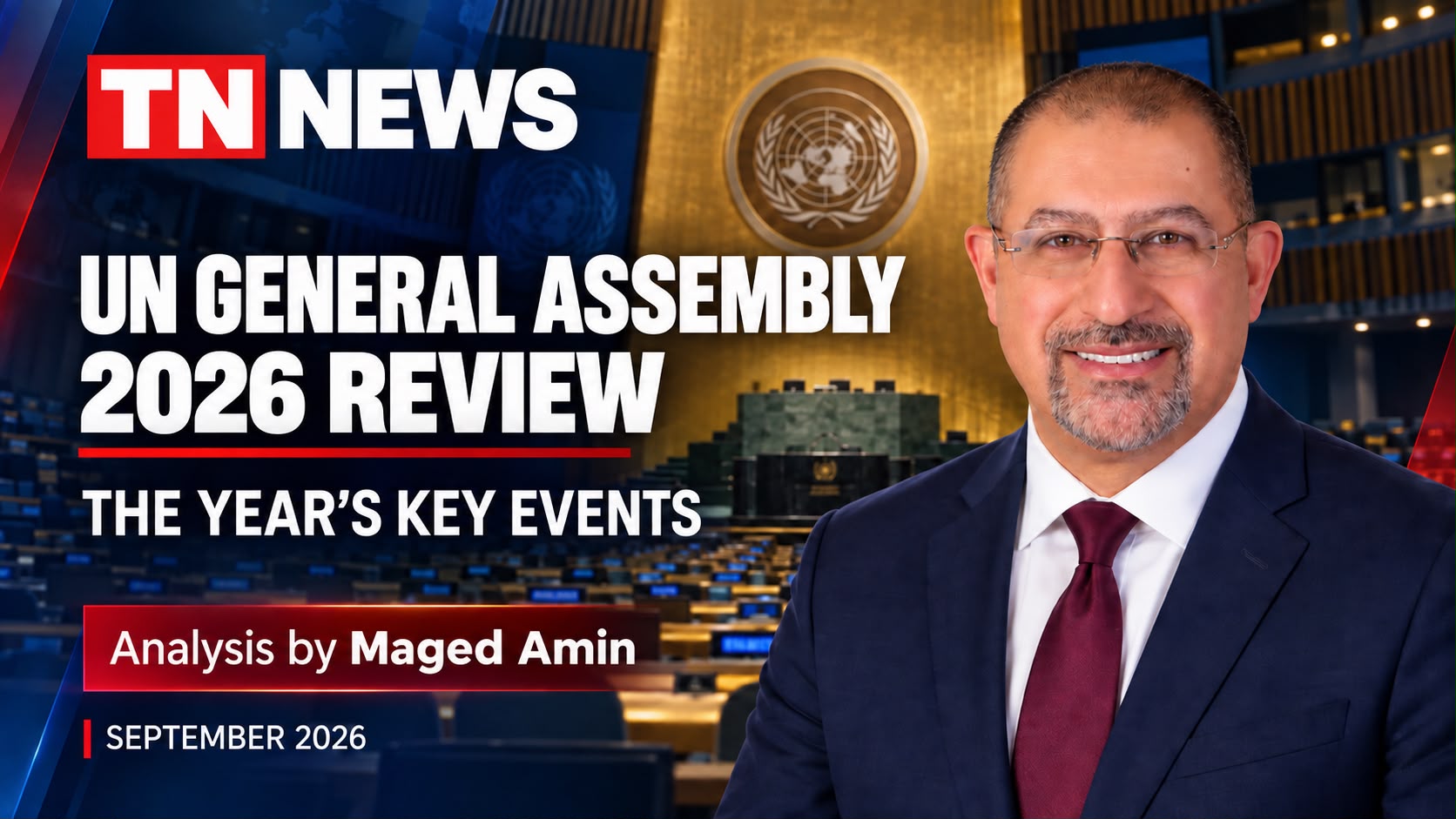
The 81st session of the United Nations General Assembly has been more than a forum for development and climate plans. Speeches in New York have exposed sharp disagreements over Iran, Ukraine and the Israeli-Palestinian conflict, as well as the UN’s ability to respond to them. This review covers speeches and events through September 24; the General Debate is still underway.
The United States and Iran. In his September 22 address, U.S. President Donald Trump defended American military action against Iran and said he would not allow it to obtain a nuclear weapon. He also raised the possibility of an agreement while calling for continued economic pressure. Iranian President Masoud Pezeshkian rejected Trump’s accusations the following day, saying Iran had acted in self-defense and maintained that its nuclear program was peaceful. Their speeches showed how far apart the two governments remain.
The war in Ukraine. Ukrainian President Volodymyr Zelenskyy urged countries to keep pressure on Russia, particularly on the revenue and production that support its war. Trump, meanwhile, said Washington was working with both sides to end the conflict. Kyiv emphasized pressure on Moscow; Trump emphasized the prospect of negotiations.
Israel and Palestine. The conflict took center stage on September 24, when Israeli and Palestinian leaders presented sharply different accounts of the crisis and its future. Their addresses underscored the distance between the parties at a time when other leaders are warning about the conflict’s wider impact. Their assertions should be understood as the speakers’ positions, rather than independently established findings.
Brazil and the future of the UN. Brazilian President Luiz Inácio Lula da Silva called for the UN to regain its role as a place for peacemaking. He warned against foreign interference in countries’ affairs and questioned the international response to ongoing conflicts. His speech raised a central question of this session: can international institutions keep pace with the crises they are expected to address?
Beyond the political speeches, leaders have discussed climate action and the transition to clean energy. At a September 24 meeting, participants also approved a draft declaration on sea-level rise for later formal adoption by the General Assembly. Island and coastal countries pressed for financing and legal protections as they confront the consequences of rising seas.
TN News analysis: The opening days have shown broad agreement that global crises are serious, but deep disagreement over their causes and solutions. The measure of this session will be whether leaders turn their speeches into practical commitments after the meetings end.
News You Should See
2026 Nobel Medicine Prize Honors Scientists Behind Optogenetics Breakthrough
Oil Prices Edge Lower as Stronger Middle East Exports and G7 Reserves Ease Supply Concerns
Trump Offers U.S. Assistance to Russia After Death at Siberian Plague Research Institute
Trump Takes Economic Message to Nebraska as GOP Faces Rising Cost-of-Living Pressure
U.S. Appeals Court Weighs Trump Administration’s $2.6 Billion Harvard Funding Fight
U.S. Midterm Elections Begin With Resilient Jobs Market and Persistent Cost Pressures
Latest News
The 2026 Nobel Prize in Physiology or Medicine honors Karl Deisseroth, Peter Hegemann and Georg Nagel for pioneering research behind optogenetics and its impact on neuroscience.
Oil prices edged lower as stronger Middle Eastern exports and a planned G7 release of 100 million barrels eased immediate supply concerns, while Gulf security risks and the Strait of Hormuz kept markets alert.
President Donald Trump said the United States would help Russia if needed after a laboratory worker died at a Siberian plague research institute, as Russian authorities imposed precautionary quarantine measures.
Trump’s Nebraska campaign stop highlights rising fuel and grocery costs, beef prices and growing economic pressure on Republicans ahead of the November midterm elections.
A U.S. appeals court is reviewing the Trump administration’s effort to cut Harvard’s federal research funding, with more than $2.6 billion at stake.
The U.S. enters the 2026 midterm elections with unemployment at 4.2%, while higher living and energy costs create economic pressure for households and businesses.
US services growth eased in September as input prices climbed to their highest level since July 2022, with fuel costs, supply-chain disruptions and strong demand increasing pressure on businesses.
Rising Treasury yields are increasing U.S. borrowing costs as Washington manages record debt, persistent inflation and strong economic demand, narrowing its policy options.
A EGP 16 million corporate partnership will establish and equip a bone marrow transplant unit at Cairo’s Coptic Hospital, supporting access to specialized treatment for patients.