Ukraine’s Anti-Corruption Shakeup Sparks EU Backlash and Domestic Protests
Ukraine’s controversial move to place anti-corruption agencies under presidential control has triggered public protests, raised EU concerns, and fueled fears of democratic backsliding amid war with Russia.

Ukraine’s Anti-Corruption Overhaul Sparks EU Backlash and Nationwide Protests
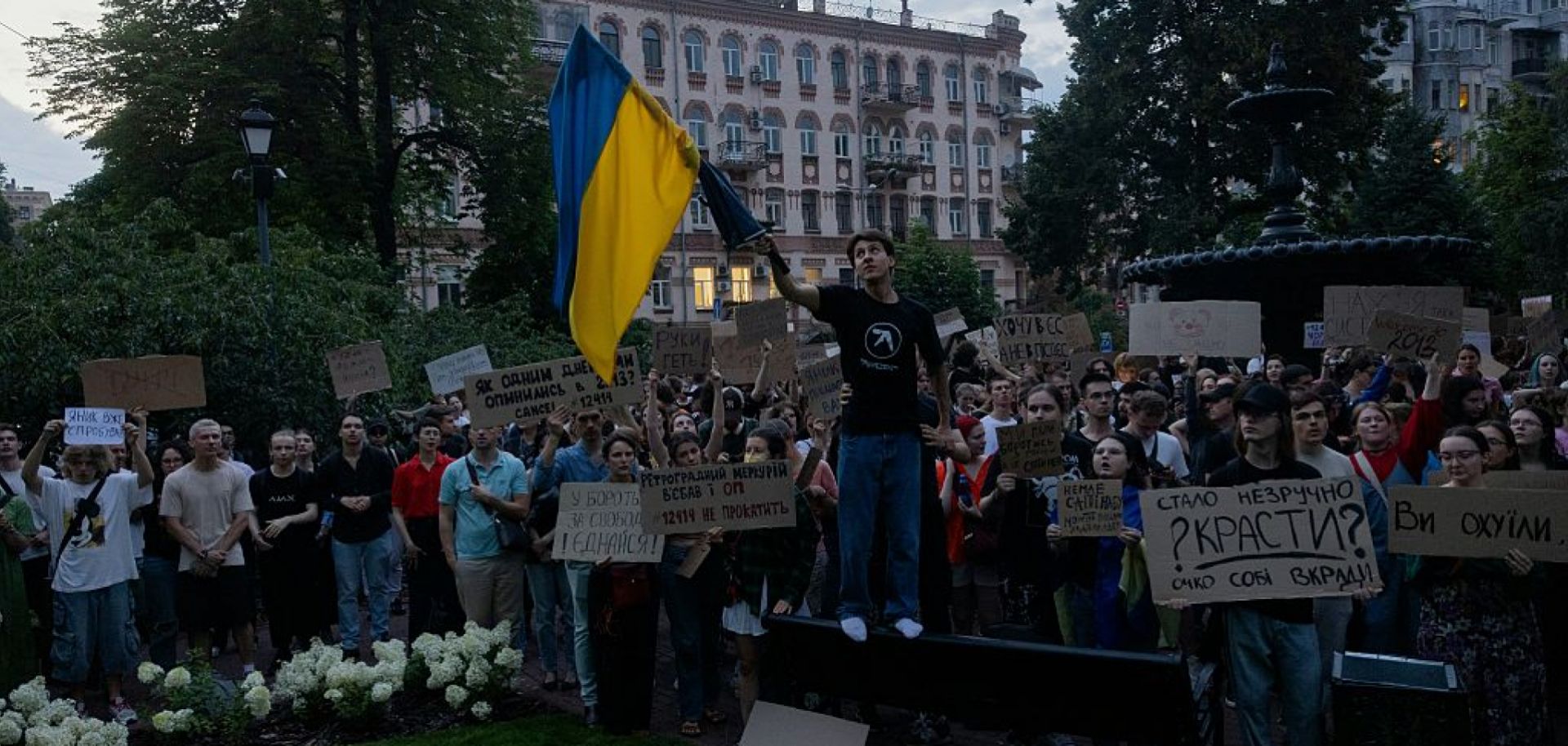
KYIV, July 24 – Ukraine’s government is facing mounting pressure both domestically and internationally after President Volodymyr Zelensky signed a controversial reform that places the country’s main anti-corruption agencies under direct presidential control. The move has triggered nationwide protests, raised alarms in Brussels, and intensified concerns about democratic backsliding in a country at war.
On July 22, thousands of Ukrainians took to the streets in Kyiv, Lviv, Odesa, and other major cities to protest against the legislation, which puts the National Anti-Corruption Bureau (NABU) and the Special Anti-Corruption Prosecutor's Office (SAPO) under the authority of the prosecutor general, who is appointed by the president.
The protests, held in defiance of martial law and nightly curfews, underscore the growing unease among Ukrainians about the centralization of power and the erosion of institutional independence, particularly during a time of heightened Russian aggression.
Critics Warn of Democratic Erosion and EU Fallout
While Zelensky insists the reform will strengthen national security and prevent Russian infiltration in anti-corruption bodies, critics argue it undermines Ukraine’s transparency efforts, risks Western support, and damages its path toward EU membership.
In a rare rebuke, the European Union’s Enlargement Commissioner, Marta Kos, expressed “serious concern”, warning that independent bodies like NABU and SAPO are vital for Ukraine’s EU accession talks. EU Defense Commissioner Andrius Kubiliu added that “trust between the fighting nation and its leadership is more important than modern weapons” — and can be easily lost by a single misstep.
The EU had previously warned Kyiv not to bring the agencies under government control. Now, countries such as Hungary and Slovakia, long skeptical of aiding Ukraine, are expected to use the decision to block or delay further EU assistance and sanctions against Russia.
Domestic Fallout: Protests, Political Pressure, and Elite Investigations
On July 21, one day before the law passed, Ukraine’s Security Service (SBU) raided NABU and SAPO offices and arrested 15 staff members. Two senior NABU officials were accused of spying for Russia. Critics allege the timing was politically convenient, especially as NABU had recently named Deputy Prime Minister Oleksii Chernyshov, a close Zelensky ally, as a suspect in a land-grab investigation.
The same day, the SBU also raided the home of Vitaliy Shabunin, head of Ukraine’s largest anti-corruption NGO. Opposition figures called it politically motivated retaliation.
Zelensky’s opponents claim the reform is part of a broader pattern of centralizing power, citing a growing reliance on loyal advisors and a lack of transparency in decision-making. They also accuse the government of stalling other key anti-graft reforms requested by the EU.
Western Support at Risk?
Though the EU and United States remain committed to backing Ukraine militarily and financially, the reform gives ammunition to critics in both regions.
In the U.S., Vice President JD Vance and other officials skeptical of continued support for Ukraine will likely point to the law as a reason to reconsider future aid. President Donald Trump, known for his ambiguous stance on Ukraine, could also use the situation to justify a withdrawal or revision of support, especially under mounting domestic political pressure.
In Europe, the reform will complicate pro-Ukraine governments' efforts to maintain consensus amid rising populist and far-right opposition.
Zelensky’s Domestic Standing Faces Growing Strain
While Zelensky still enjoys broad public support (65% approval in June, down from 76% in May, per KIIS polling), public patience is wearing thin. The protests are a stark reminder of Ukraine’s long history of mass movements, from the 2004 Orange Revolution to the 2014 Euromaidan uprising.
With Ukraine still under martial law, presidential elections were postponed earlier this year. But speculation about Zelensky’s political future is mounting. He has alternated between hinting at a possible resignation and suggesting he may run again once elections resume.
In March, Trump administration officials reportedly met with Ukrainian opposition figures, including Yulia Tymoshenko and members of former President Petro Poroshenko’s party, to discuss potential scenarios in the event of a political crisis in Kyiv — including the early holding of presidential elections.
Constitutional Challenge in the Works
On July 23, opposition lawmakers from the Holos party began collecting signatures to initiate a constitutional review of the reform. While only 45 signatures are needed to trigger the process, any ruling will likely face delays under wartime conditions and political pressure.
Zelensky, meanwhile, held an emergency meeting with security and anti-corruption officials and pledged to unveil a new comprehensive anti-corruption strategy within two weeks. “We all hear what society says,” Zelensky said. “We see what people expect from state institutions to ensure justice.”
Outlook
As public frustration grows and Western allies grow uneasy, Zelensky may be forced to walk back or soften the reform. But doing so risks political embarrassment, and he is likely to delay any reversal unless protests escalate or international pressure intensifies.
Meanwhile, Russia will exploit the unrest, using propaganda to undermine Zelensky’s legitimacy, reinforce claims that Ukraine is corrupt, and push for his removal as part of any peace settlement.
As Ukraine battles both a foreign aggressor and internal crises, the fate of its democracy, global support, and EU aspirations may now hinge on how Zelensky navigates this pivotal moment….
News You Should See
Thanksgiving Storm Threatens Major US East Coast Travel Routes With Flooding and 60 MPH Winds
Manchester City Prepare for Tactical Battle Against Napoli in Champions League
Arsenal Face Borussia Dortmund in High-Stakes Champions League Test
The Hunger Games: Sunrise on the Reaping Delivers $225 Million Global Box Office Debut
US Data Centers Consume as Much Electricity as Michigan, Harvard Study Reveals
AI Enables a 12,000-Pound John Deere Loader to Perform Two-Wheel Stunts
Latest News
A developing Thanksgiving storm threatens the US East Coast with heavy rain, coastal flooding and wind gusts of up to 60 mph, raising concerns about airport operations, road travel and holiday transportation in major cities.
Manchester City host Napoli in a key Champions League clash, with Haaland, Foden and Cherki expected to lead the English side's attacking efforts.
Arsenal prepare to host Borussia Dortmund in a crucial Champions League clash, with injuries and tactical decisions potentially shaping the outcome.
The Hunger Games: Sunrise on the Reaping earns $225 million worldwide in its opening weekend, strengthening the franchise's box-office position.
Harvard research estimates that 403 US hyperscale data centers consume up to 99 terawatt-hours annually, raising concerns about AI's environmental impact.
Researchers train a 12,000-pound John Deere 332G loader using AI and reinforcement learning to balance on two wheels and perform controlled movements.
Kodak introduces SlideTag, a $34.99 digital photo accessory featuring a 1.54-inch E Ink screen, photo storage, and Bluetooth tracking support.
Samsung may skip next year's Galaxy Watch launch after disappointing sales expectations, potentially shifting to a two-year release cycle while prioritizing software improvements.
Barcelona come from two goals down to beat Villarreal 3-2 at Camp Nou, with Gerard Martín, Fermín López, and Pau Navarro's own goal securing victory.