Ukraine Offers Energy Truce, but Winter Deal Remains Uncertain
Kyiv offers reciprocal limits on attacks against energy infrastructure as the approaching winter raises the economic and humanitarian cost of continued strikes

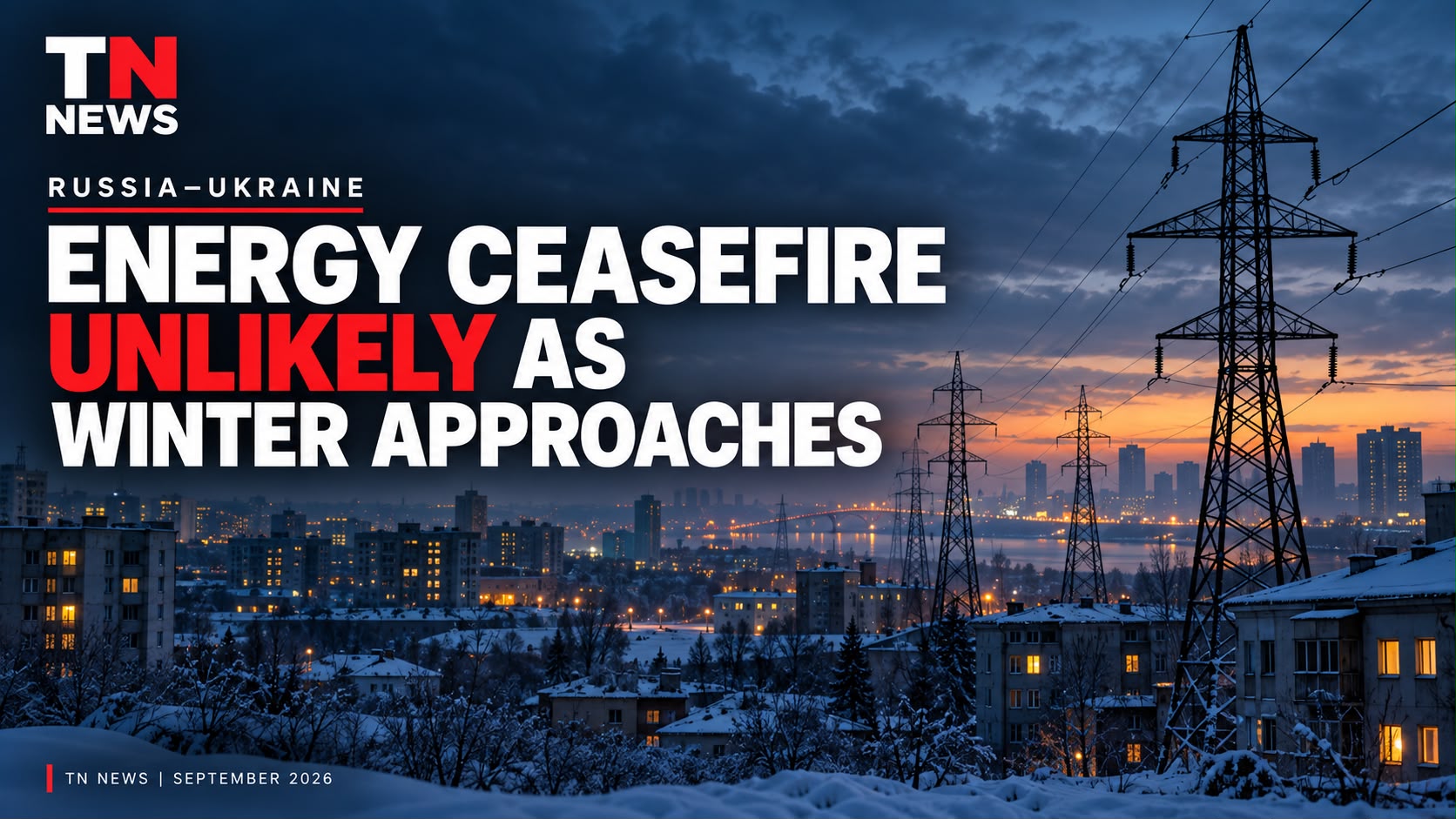
Ukraine says it is willing to stop striking Russian energy facilities if Moscow stops attacking Ukraine’s electricity, heating and water systems. With winter approaching, however, there is no agreement between the two countries, and a lasting pause remains uncertain.
Ukrainian President Volodymyr Zelenskyy outlined the proposal after meeting U.S. President Donald Trump on Sept. 22. Zelenskyy said the United States would convey it to Russia, but that he did not know Moscow’s position.
Geopolitical analysis firm RANE assesses that a sustained “energy ceasefire” is unlikely over the next three to six months unless Russia faces stronger U.S. pressure or receives significant concessions from Ukraine. It says a shorter reduction in attacks remains possible. That is RANE’s forecast, rather than an announced decision by either government.
The stakes for civilians are high. A United Nations commission warned this week that continued Russian attacks on Ukraine’s energy infrastructure could make the coming winter more difficult. It reported that millions of people endured prolonged power outages and disruptions to heating during the winter of 2025–26.
For now, Ukraine’s offer leaves a central question unanswered: whether Russia will accept a reciprocal halt to energy strikes, and whether both sides could sustain it through winter.
News You Should See
2026 Nobel Medicine Prize Honors Scientists Behind Optogenetics Breakthrough
Oil Prices Edge Lower as Stronger Middle East Exports and G7 Reserves Ease Supply Concerns
Trump Offers U.S. Assistance to Russia After Death at Siberian Plague Research Institute
Trump Takes Economic Message to Nebraska as GOP Faces Rising Cost-of-Living Pressure
U.S. Appeals Court Weighs Trump Administration’s $2.6 Billion Harvard Funding Fight
U.S. Midterm Elections Begin With Resilient Jobs Market and Persistent Cost Pressures
Latest News
The 2026 Nobel Prize in Physiology or Medicine honors Karl Deisseroth, Peter Hegemann and Georg Nagel for pioneering research behind optogenetics and its impact on neuroscience.
Oil prices edged lower as stronger Middle Eastern exports and a planned G7 release of 100 million barrels eased immediate supply concerns, while Gulf security risks and the Strait of Hormuz kept markets alert.
President Donald Trump said the United States would help Russia if needed after a laboratory worker died at a Siberian plague research institute, as Russian authorities imposed precautionary quarantine measures.
Trump’s Nebraska campaign stop highlights rising fuel and grocery costs, beef prices and growing economic pressure on Republicans ahead of the November midterm elections.
A U.S. appeals court is reviewing the Trump administration’s effort to cut Harvard’s federal research funding, with more than $2.6 billion at stake.
The U.S. enters the 2026 midterm elections with unemployment at 4.2%, while higher living and energy costs create economic pressure for households and businesses.
US services growth eased in September as input prices climbed to their highest level since July 2022, with fuel costs, supply-chain disruptions and strong demand increasing pressure on businesses.
Rising Treasury yields are increasing U.S. borrowing costs as Washington manages record debt, persistent inflation and strong economic demand, narrowing its policy options.
A EGP 16 million corporate partnership will establish and equip a bone marrow transplant unit at Cairo’s Coptic Hospital, supporting access to specialized treatment for patients.