UK Proposes Overnight Social Media Restrictions to Redefine Digital Wellbeing for Teenagers
The proposed policy combines digital curfews with limits on addictive platform features, reflecting a broader shift toward technology accountability and youth online protection.

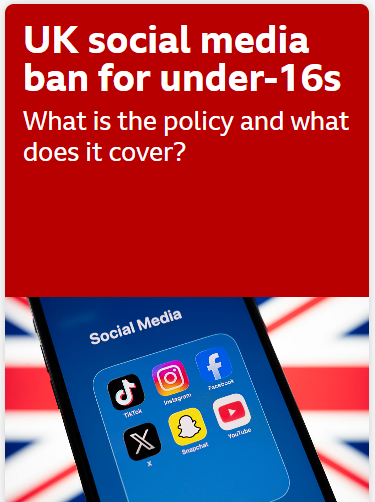
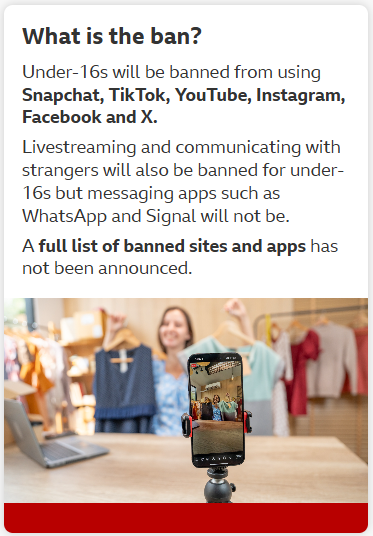
The United Kingdom is preparing a new phase of digital safety regulation through proposals that would introduce overnight restrictions on social media access for users aged 16 and 17. The initiative reflects a broader transformation in how governments are approaching online safety, shifting attention from content moderation alone toward platform design and the mechanisms that encourage prolonged digital engagement.
Under the proposed framework, major social media platforms would automatically apply a default overnight restriction between midnight and 6:00 a.m. for older teenagers. Young users would still be able to modify these settings, but the policy aims to make healthier digital behavior the default rather than the exception. Alongside the curfew, companies would also be expected to reduce engagement-driving features such as autoplay videos and infinite scrolling, both of which have frequently been associated with extended screen time.
The proposal forms part of a wider digital protection strategy that follows earlier plans to restrict access to certain social media platforms for children under the age of sixteen. Together, these initiatives demonstrate an evolving regulatory philosophy that seeks to balance online participation with safeguards designed to protect children's mental health, educational performance, and family wellbeing.
From a technology design perspective, the proposal represents a significant shift. For years, social media companies have optimized products around engagement metrics, encouraging users to remain active through personalized recommendations, continuous content feeds, and automated playback systems. Regulators are now increasingly questioning whether these design choices should remain unrestricted when they directly affect younger audiences.
The debate extends beyond simple access to social media. Policymakers are increasingly examining the architecture of digital platforms themselves, arguing that product design decisions may contribute to unhealthy behavioral patterns. Features intended to maximize user retention are now being evaluated through the lens of public health, particularly regarding sleep quality, concentration, and emotional wellbeing among teenagers.
Economically, the proposed regulations could influence the business models of global technology companies. Advertising revenue across many digital platforms depends heavily on user engagement and time spent within applications. Limiting the effectiveness of engagement-driven features may require companies to rethink performance metrics, product development priorities, and monetization strategies while adapting to increasingly complex regulatory environments.
The discussion has also highlighted differences between platform-level regulation and device-level safety controls. Some technology companies have advocated for operating-system-based age verification managed by smartphone manufacturers, while others support platform-specific responsibility. The outcome of this debate may shape future digital governance models adopted by additional countries.
Industry experts remain divided over the proposal's effectiveness. Supporters argue that establishing healthier default settings could encourage better sleeping habits, improved academic performance, and stronger family relationships. Critics, however, question whether optional restrictions can produce meaningful behavioral change if users retain the ability to disable them. Others have expressed concerns that rigid overnight restrictions could unintentionally limit access to online support networks for vulnerable teenagers who rely on digital communication during periods of emotional distress.
The proposal also raises broader questions regarding privacy, parental responsibility, and technological innovation. Governments increasingly face the challenge of protecting young users without undermining digital freedoms or restricting legitimate access to educational resources, emergency support, and community engagement.
From a brand identity perspective, technology companies are entering a period where trust and responsible innovation may become as important as product functionality. Platforms capable of demonstrating effective child safety measures, transparent privacy standards, and ethical product design are likely to strengthen public confidence while meeting evolving regulatory expectations.
Looking ahead, the UK's initiative may serve as an important reference point for digital policy worldwide. If implemented successfully, similar approaches could influence future legislation addressing algorithmic design, youth protection, artificial intelligence, and platform accountability across international markets. The debate ultimately illustrates a growing consensus that the future of digital innovation will increasingly depend not only on technological capability but also on responsible design principles that prioritize user wellbeing.

News You Should See
2026 Nobel Medicine Prize Honors Scientists Behind Optogenetics Breakthrough
Oil Prices Edge Lower as Stronger Middle East Exports and G7 Reserves Ease Supply Concerns
Trump Offers U.S. Assistance to Russia After Death at Siberian Plague Research Institute
Trump Takes Economic Message to Nebraska as GOP Faces Rising Cost-of-Living Pressure
U.S. Appeals Court Weighs Trump Administration’s $2.6 Billion Harvard Funding Fight
U.S. Midterm Elections Begin With Resilient Jobs Market and Persistent Cost Pressures
Latest News
The 2026 Nobel Prize in Physiology or Medicine honors Karl Deisseroth, Peter Hegemann and Georg Nagel for pioneering research behind optogenetics and its impact on neuroscience.
Oil prices edged lower as stronger Middle Eastern exports and a planned G7 release of 100 million barrels eased immediate supply concerns, while Gulf security risks and the Strait of Hormuz kept markets alert.
President Donald Trump said the United States would help Russia if needed after a laboratory worker died at a Siberian plague research institute, as Russian authorities imposed precautionary quarantine measures.
Trump’s Nebraska campaign stop highlights rising fuel and grocery costs, beef prices and growing economic pressure on Republicans ahead of the November midterm elections.
A U.S. appeals court is reviewing the Trump administration’s effort to cut Harvard’s federal research funding, with more than $2.6 billion at stake.
The U.S. enters the 2026 midterm elections with unemployment at 4.2%, while higher living and energy costs create economic pressure for households and businesses.
US services growth eased in September as input prices climbed to their highest level since July 2022, with fuel costs, supply-chain disruptions and strong demand increasing pressure on businesses.
Rising Treasury yields are increasing U.S. borrowing costs as Washington manages record debt, persistent inflation and strong economic demand, narrowing its policy options.
A EGP 16 million corporate partnership will establish and equip a bone marrow transplant unit at Cairo’s Coptic Hospital, supporting access to specialized treatment for patients.