Ube’s Global Boom: How a Purple Trend Is Straining Its Filipino Roots
From TikTok drinks to global menus, ube’s popularity is soaring — but its success is creating unexpected challenges in the Philippines.

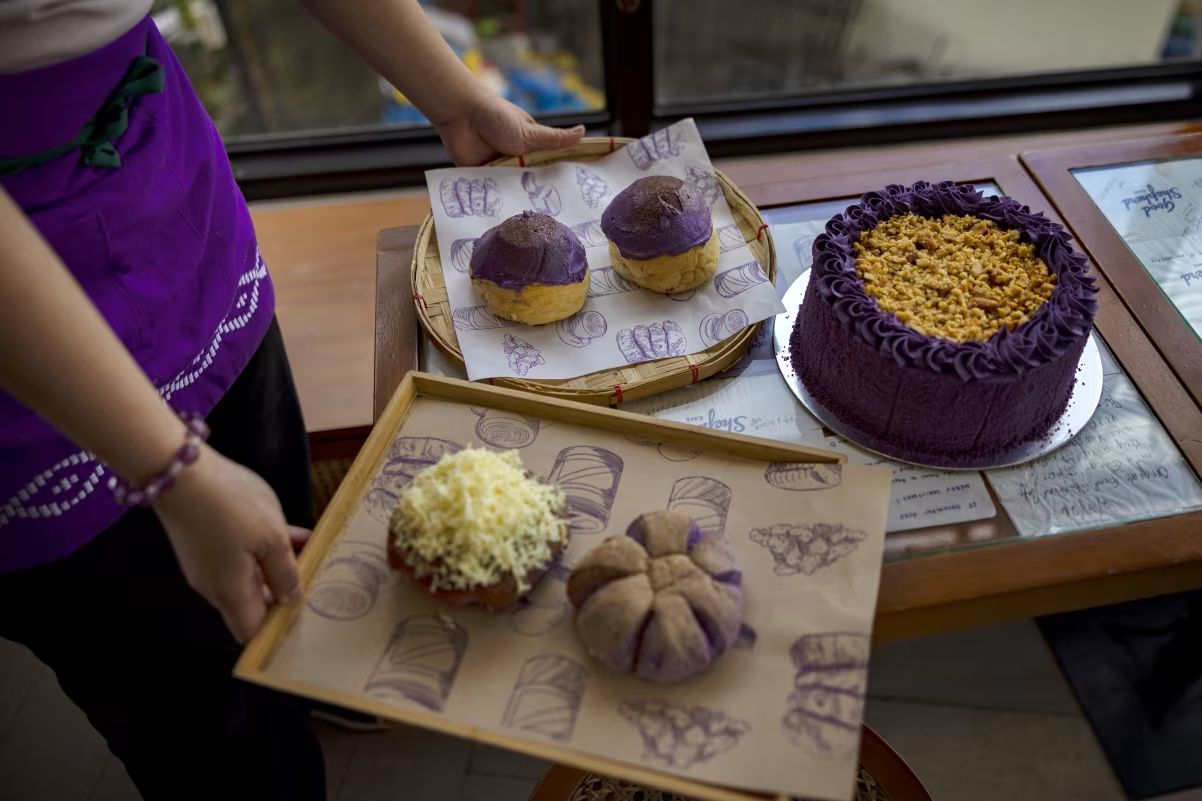
A vibrant purple ingredient from the Philippines is taking over global menus — but its rising popularity is creating serious challenges back home. Known as ube, this sweet, nutty-tasting yam has become a sensation across cafes, bakeries, and even beauty brands worldwide.
From iced lattes in New York to desserts in London and Sydney, ube’s striking color and mild flavor have made it a perfect match for social media culture. Its visual appeal, much like matcha before it, has helped it go viral — especially on platforms like TikTok.
The numbers reflect this surge. The Philippines exported nearly 1.7 million kilograms of ube products in 2025, with almost half going to the United States. Demand is growing rapidly, driven by global curiosity and the trend toward visually appealing foods.
However, this success story comes with a cost.
Ube farming in the Philippines is largely small-scale and seasonal. Unlike staple crops, it requires specific growing conditions and a long cultivation period. Climate challenges, including frequent typhoons, have further strained production. At the same time, farmers trying to maximize profits are selling more of their crops, leaving fewer resources for future planting.
As a result, supply is struggling to keep up with global demand. Even Filipino communities abroad are finding it harder to source authentic ube.
Beyond supply issues, there is also a cultural concern. Ube is deeply tied to Filipino identity and cuisine, featured in traditional dishes like halo-halo, a beloved dessert combining shaved ice with a variety of sweet ingredients.
But as ube spreads globally, its cultural roots risk being diluted. Many products marketed as “ube-flavored” contain only extracts, artificial coloring, or substitutes like sweet potatoes — meaning consumers may not be experiencing the true ingredient at all.
For many Filipinos, this raises an important question: what happens when a cultural staple becomes a global trend?
Ube’s journey highlights a familiar paradox. Global recognition brings visibility and opportunity — but it can also lead to loss of control over how a culture is represented. As the purple trend continues to grow, balancing demand, authenticity, and sustainability will be key to preserving what makes ube truly special.
News You Should See
P&G Raises Fiscal 2027 Cost Warning as Oil and Freight Expenses Threaten Profits
Chemical Tank Leak in Toledo Triggers Evacuations and Industrial Disruptions
Judge Sets December 11 Deadline for Trump Deposition in BBC Defamation Case
Iowa Senate Race Tests How Far Republicans Can Separate Themselves From Trump
California State Workers Strike Over Pay, Healthcare and Return-to-Office Rules
Streaming’s October Showdown: How Disney, Netflix and Major Entertainment Brands Compete for Audiences
Latest News
Procter & Gamble expects commodity, energy and transportation costs to reduce fiscal 2027 profit by $1.4 billion. Quarterly sales rose 4% to $23.28 billion, beating analyst expectations.
A ruptured chemical tank in Toledo, Ohio, prompted evacuations, school closures and an industrial shutdown. Authorities have reduced the restricted zone as the release slows and cleanup preparations continue.
A federal judge has ordered Donald Trump to give a deposition by December 11, 2026, in his $10 billion lawsuit against the BBC, with possible sanctions for noncompliance as the discovery deadline approaches.
Iowa’s 2026 Senate race pits Republican Ashley Hinson, balancing Trump support with economic concerns, against Democrat Josh Turek, who emphasizes bipartisanship amid rising campaign spending.
Thousands of California state workers struck on October 21 over a proposed three-year pay increase, healthcare costs and a four-day office attendance requirement as contract negotiations continued.
October 2026 brings major entertainment releases across Disney+, Netflix, HBO Max, Hulu, Prime Video and Peacock. Explore how familiar franchises, exclusive programming, new music and video games shape competition for streaming audiences.
Saudia advises travelers to book flights through Al Qassim Airport for Riyadh connections, offering free hourly shuttle buses in both directions until further notice.
An AP-NORC poll shows Democratic confidence in accurate vote counting falling to 55%, while Republican confidence rises to 38%, highlighting election integrity concerns ahead of the 2026 US midterms.
Donald Trump campaigns in North Carolina ahead of the November 2026 midterms as low approval ratings, rising fuel costs, Democratic early-voting gains and funding disparities challenge Republican efforts to retain control of Congress.