Uber and Waymo Clash Over the Rules That Will Shape the Robotaxi Economy
A regulatory dispute in Washington, D.C. reveals how policy, platform strategy, and market control are becoming decisive competitive assets in the autonomous mobility industry.

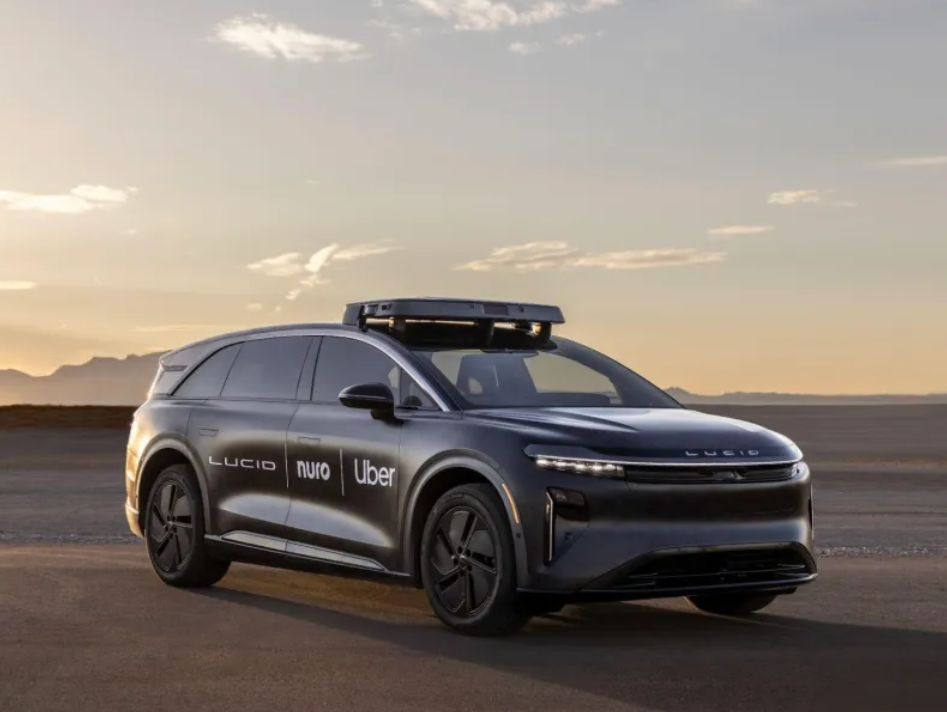
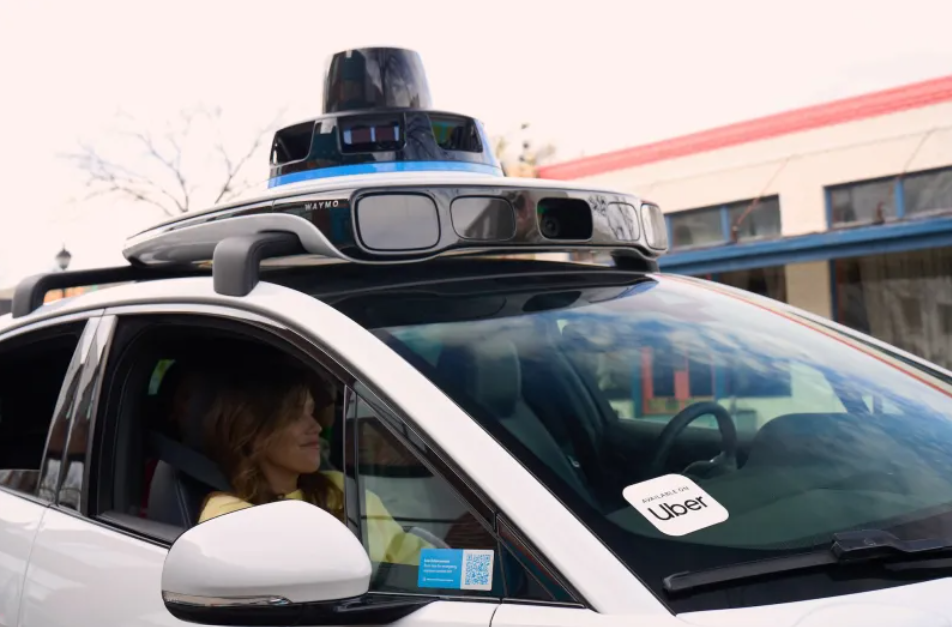
A proposed autonomous vehicle bill in Washington, D.C., has evolved into one of the most important policy battlegrounds in the robotaxi industry, exposing growing strategic differences between Uber and Waymo despite their existing commercial partnerships. While Waymo supports legislation that would allow autonomous vehicle operators to deploy services directly, Uber is advocating a regulatory framework centered on hybrid ride-hailing networks where autonomous vehicles operate alongside human drivers within the same mobility platform. The disagreement illustrates how competition in autonomous transportation is increasingly shifting from engineering laboratories to legislative chambers.
From a strategic design perspective, Uber's proposal reflects its transformation from a ride-hailing company into a mobility platform that aggregates multiple transportation options. Rather than competing by developing proprietary autonomous technology alone, Uber seeks to position its application as the central gateway through which customers access both conventional drivers and robotaxis. Under this model, users retain flexibility while the platform preserves its role as the primary interface connecting passengers with transportation services regardless of vehicle type.
Waymo, meanwhile, argues that autonomous vehicle developers should retain the freedom to operate independent services without mandatory integration into third-party ride-hailing networks. According to the company, direct deployment encourages innovation, accelerates commercial adoption, and allows autonomous transportation providers to optimize customer experience around their own technological capabilities. The company also maintains that regulatory frameworks should remain technologically neutral rather than favoring a specific commercial operating model.
The debate extends far beyond a local transportation policy. Washington has effectively become a testing ground for future autonomous mobility regulations that could influence legislation across other U.S. cities. Lawmakers are simultaneously attempting to balance technological innovation, labor protection, accessibility, congestion management, public transportation funding, and market competition. The outcome may establish precedents that shape how robotaxi services expand nationwide over the coming years.
Economically, the disagreement highlights two fundamentally different platform business models. Uber's hybrid vision preserves the economic role of human drivers while allowing gradual automation, protecting its existing marketplace and supporting a transition that minimizes labor disruption. Waymo's approach, by contrast, prioritizes direct deployment of autonomous fleets capable of operating independently, potentially lowering long-term operating costs while maximizing technological efficiency. Both strategies seek sustainable growth, yet each distributes economic value differently among platform operators, technology developers, drivers, and consumers.
Another important dimension involves market control. If regulators require robotaxis to operate through integrated ride-hailing platforms, digital intermediaries such as Uber could strengthen their strategic position by remaining the primary customer acquisition channel even as autonomous vehicles replace traditional drivers. Conversely, if companies like Waymo maintain independent customer relationships through their own applications, autonomous vehicle developers could capture greater portions of future mobility revenues while reducing dependence on established ride-hailing marketplaces.
The dispute also reflects changing corporate identities. Uber, once recognized for aggressively challenging transportation regulations, now presents itself as a company advocating gradual deployment, collaboration with policymakers, and balanced workforce transition. Waymo continues positioning its brand around technological leadership, operational safety, and direct innovation in autonomous mobility. These contrasting narratives illustrate how corporate identity has become an essential component of competitive strategy alongside engineering excellence.
The policy confrontation emerges at a time when robotaxi deployment is accelerating across multiple cities and competition is expanding beyond technology into regulation, public trust, infrastructure, and ecosystem partnerships. Industry participants increasingly recognize that long-term leadership will depend not only on autonomous driving performance but also on the ability to influence the regulatory frameworks governing commercial deployment.
Ultimately, the disagreement between Uber and Waymo demonstrates that the future of autonomous transportation will be determined as much by policy architecture as by artificial intelligence itself. Companies are no longer competing solely to build the most capable autonomous vehicle; they are competing to define the marketplace in which those vehicles will ultimately operate. That shift transforms regulation into a strategic asset capable of shaping competitive advantage, investment priorities, and the future identity of the global mobility industry.
News You Should See
2026 Nobel Medicine Prize Honors Scientists Behind Optogenetics Breakthrough
Oil Prices Edge Lower as Stronger Middle East Exports and G7 Reserves Ease Supply Concerns
Trump Offers U.S. Assistance to Russia After Death at Siberian Plague Research Institute
Trump Takes Economic Message to Nebraska as GOP Faces Rising Cost-of-Living Pressure
U.S. Appeals Court Weighs Trump Administration’s $2.6 Billion Harvard Funding Fight
U.S. Midterm Elections Begin With Resilient Jobs Market and Persistent Cost Pressures
Latest News
The 2026 Nobel Prize in Physiology or Medicine honors Karl Deisseroth, Peter Hegemann and Georg Nagel for pioneering research behind optogenetics and its impact on neuroscience.
Oil prices edged lower as stronger Middle Eastern exports and a planned G7 release of 100 million barrels eased immediate supply concerns, while Gulf security risks and the Strait of Hormuz kept markets alert.
President Donald Trump said the United States would help Russia if needed after a laboratory worker died at a Siberian plague research institute, as Russian authorities imposed precautionary quarantine measures.
Trump’s Nebraska campaign stop highlights rising fuel and grocery costs, beef prices and growing economic pressure on Republicans ahead of the November midterm elections.
A U.S. appeals court is reviewing the Trump administration’s effort to cut Harvard’s federal research funding, with more than $2.6 billion at stake.
The U.S. enters the 2026 midterm elections with unemployment at 4.2%, while higher living and energy costs create economic pressure for households and businesses.
US services growth eased in September as input prices climbed to their highest level since July 2022, with fuel costs, supply-chain disruptions and strong demand increasing pressure on businesses.
Rising Treasury yields are increasing U.S. borrowing costs as Washington manages record debt, persistent inflation and strong economic demand, narrowing its policy options.
A EGP 16 million corporate partnership will establish and equip a bone marrow transplant unit at Cairo’s Coptic Hospital, supporting access to specialized treatment for patients.