Trump’s Tariff Doctrine Enters New Phase as Markets Stay Calm, But Long-Term Risks Mount
Despite muted market reactions to recent tariff announcements, President Trump’s evolving trade doctrine risks undermining U.S. competitiveness and deepening global trade uncertainty.

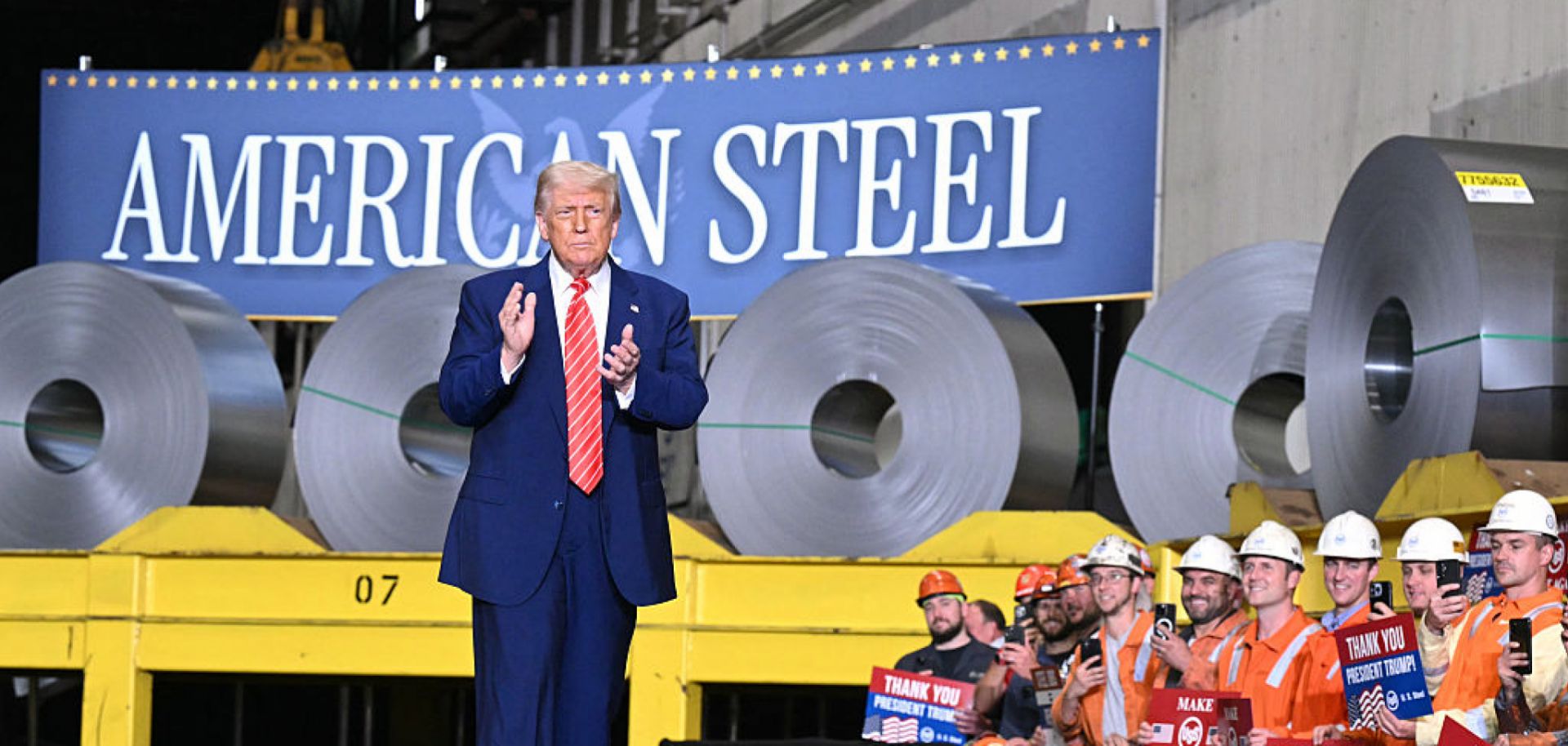
Trump’s Tariff Strategy Evolves as Markets Show Resilience and Trade Partners Brace for Impact
July 9, 2025 — Analysis
Despite U.S. President Donald Trump’s recent announcements of steep new tariffs on over 20 countries, including key allies Japan and South Korea, markets have shown a surprisingly calm response. The July 7 and July 9 tariff declarations—part of a broader effort to reshape global trade—have not triggered the same kind of financial panic that followed similar moves earlier this year. Instead, the most notable reaction was a 25% spike in copper prices after a sudden 50% tariff on copper imports was unveiled.
This muted market response reflects growing confidence that Trump may ultimately moderate his trade policies. His decision to delay implementation of the tariffs until August 1, and his exclusion of major partners like the EU and India, suggest a degree of flexibility. Still, the July announcements confirm that tariffs remain central to Trump’s second-term economic agenda—both as a trade policy tool and as leverage in broader foreign negotiations.
Continuity in Trump's Trade Doctrine
Trump’s approach to trade has remained consistent since returning to office. His administration has proven:
Cautiously reactive to market pressure – Trump has walked back tariffs after negative market reactions.
Willing to impose broad tariffs – His tolerance for economic risk remains high.
Unconcerned with damaging alliances – Longtime allies like Japan and South Korea are not exempt from tariff threats.
Unified on trade policy – Unlike his first term, internal dissent over tariffs is virtually absent.
The administration’s goals haven’t shifted: protect U.S. manufacturing, reduce trade deficits, and reorient trade to favor American industries—even if it means less trade overall. Deals with the UK and Vietnam have demonstrated this clearly, including restrictive quotas and increased tariffs on imports to the U.S., especially in steel and aluminum sectors.
Bilateral Deals with Hidden Costs
Deals with the UK and Vietnam reveal a new template for Trump-era trade agreements: they lock in high tariffs and offer limited new access for U.S. exports, primarily in agriculture and energy. Vietnam, for instance, accepted a 20% tariff deal to avoid even steeper penalties, while the UK faces strict quotas and origin rules for steel exports. Leaked details of an EU deal suggest similar patterns.
Trade talks with India, still ongoing, are likely to follow the same script—limiting Indian exports in exchange for modest concessions to U.S. goods.
Stalemates with Japan and South Korea
Japan and South Korea, key U.S. allies and major auto exporters, face significant challenges. Trump’s proposed 25% tariffs hit a critical part of their economies, and domestic political pressures in both countries—especially with elections looming—limit their ability to compromise.
Automobiles and electronics, key export sectors for both nations, are now in the crosshairs of potential U.S. sector-specific tariffs. As with steel and aluminum, the administration may extend tariffs far down the value chain—impacting everything from cars to refrigerators to semiconductors. These ongoing threats make it difficult for Japan and South Korea to offer concessions, as they risk facing new tariffs even after reaching an agreement.
Reliability of U.S. Trade Deals Questioned
Countries are increasingly skeptical about the durability of trade deals with the U.S. under Trump. South Korea, Mexico, and Canada have all seen new tariffs despite previously renegotiated trade pacts. Trump’s willingness to discard old deals—and use tariffs for non-trade aims, like punishing BRICS-aligned countries—raises questions about the value and longevity of any current agreements.
Economic Costs Mount
While markets have so far shrugged off the July tariff threats, the long-term effects are more worrying. Yale’s Budget Lab projects that the new and existing tariffs could:
Cut U.S. GDP by 0.5%
Raise consumer prices by 1.7%
Reduce household income by over $2,300 annually
Cost $400 billion in lost government revenue
Trump’s strategy to protect domestic manufacturing is complicated by structural realities: the U.S. economy is now service-dominated, and high tariffs raise input costs, undermining U.S. firms' global competitiveness. Meanwhile, enshrined tariffs in trade deals will be hard to unwind politically in the future.
The Road Ahead
Trump’s future tariff actions may become more targeted—focused on sectors like semiconductors or specific countries—but they’re unlikely to disappear. With persistent trade deficits and political incentives to maintain pressure, Trump’s use of tariffs will remain a hallmark of his foreign and economic policy toolkit.
Even as deals are signed, uncertainty persists. Allies know that under Trump, trade deals don’t guarantee stability—and future tariffs could still be just around the corner.
News You Should See
FEMA and FCC Set Nationwide Emergency Alert System Test for Today
Lisa's 'Always Lalisa' Documentary Set for November 18 YouTube Premium Release
Darius Rucker Documentary Traces His Rise From Rock to Country Music
Hollywood Honors Glenn Close and Ridley Scott at Governors Awards
Toronto Tempo Claim Top Selection in 2027 WNBA Draft Lottery
Detroit Lions Overpower Patriots 35-10 in Munich Behind Jahmyr Gibbs' Outstanding Performance
Latest News
FEMA and the FCC will test America's Emergency Alert System on November 17 at 2:20 p.m. ET. Radio and TV broadcasts will be interrupted briefly.
Lisa's Always Lalisa documentary arrives on YouTube Premium November 18, featuring her solo career, Coachella performances and The White Lotus experience.
The Hulu documentary explores Darius Rucker's journey from Charleston to rock success with Hootie & the Blowfish and his country music career.
Glenn Close and Ridley Scott receive honorary Oscars alongside Floyd Norman, Pamela Koffler and Christine Vachon at Hollywood's Governors Awards.
Toronto Tempo secure the No. 1 pick in the 2027 WNBA Draft, raising expectations around the franchise's rebuilding plans and potential interest in JuJu Watkins.
Detroit Lions defeat New England Patriots 35-10 in Munich as Jahmyr Gibbs records 252 scrimmage yards and two touchdowns.
Minnesota Vikings defeat Green Bay Packers 30-10 as Kirk Cousins throws two touchdowns and the defense delivers eight sacks and four turnovers.
AAA expects 81.5 million Americans to travel for Thanksgiving 2026, with nearly six million flying as transportation costs influence holiday plans.
Nvidia's upcoming earnings report could offer insights into AI chip demand, data center investments and investor confidence amid uncertainty in the technology market.