Trump’s 50% Copper Tariff Sparks Record Price Surge and Economic Concerns
A steep 50% tariff on copper imports fuels historic price jumps, threatens inflation, and challenges US supply chains amid long delays in domestic production.

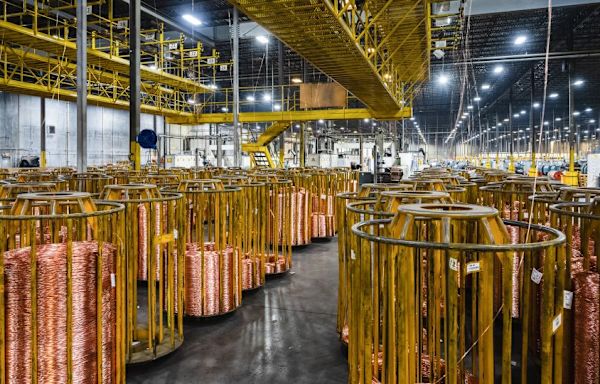
Copper is a cornerstone of the American economy — found in everything from the wiring of electronics and plumbing in homes to the engines of cars. But President Donald Trump’s recent announcement of a 50% tariff on copper imports, effective August 1, has sparked a historic surge in copper prices and raised concerns about inflation and manufacturing costs.
On July 8, copper prices soared 13% in a single day to a record high of $5.69 per pound, the largest one-day increase since records began in 1968, according to FactSet.
This tariff acts like a “massive tax on consumers of copper,” says Ole Hansen, head of commodity strategy at Saxo Bank. While Trump justifies the tariff as necessary for national security and boosting domestic production, experts warn there’s no quick fix.
The US imports more than 50% of its copper, mostly from South America, with no immediate way to ramp up domestic mining. In fact, opening a new copper mine in the US takes nearly 32 years on average, according to S&P Global Market Intelligence.
The result? A tariff-driven price premium risks making copper—and US manufacturing and infrastructure—significantly more expensive.
Copper’s unique properties make it irreplaceable in many applications: it’s highly conductive, crucial for electronics, telecommunications, plumbing, and vehicle manufacturing.
“This is a vital metal for everyday use,” says Rob Haworth, senior investment strategist at US Bank. “You probably don’t go a day without using something that contains copper.”
Despite uncertainty about whether Trump will follow through on the tariff—given his history of backing off such threats—businesses and investors are already feeling the impact.
Widespread Economic Impact
Copper is one of the most widely used metals globally. The average American car contains over 50 pounds of copper, according to the Copper Development Association.
Demand for copper has surged due to electric vehicles and the growth of data centers fueled by artificial intelligence. Copper futures have risen nearly 39% this year, outperforming major investments like the S&P 500, gold, and Bitcoin.
Trump’s tariffs on metals, including steel and aluminum, aim to strengthen US supply chains and protect national security. But economists warn a tariff on copper will raise production costs across industries such as construction, electronics, and automotive manufacturing.
“All these tariffs increase costs and hurt downstream manufacturers,” says Maurice Obstfeld, former economic adviser to President Obama. “For the US, this seems like a pointless act of self-harm.”
Because copper has few substitutes—aluminum is one, but it’s less conductive and more flammable—businesses and consumers are likely to face widespread cost increases.
Limited Domestic Production and Stockpiling
In 2024, Chile, Canada, and Peru supplied over 90% of US copper imports, while domestic production, mainly from Arizona, met just under half of the nation’s consumption.
Global trade liberalization and shifting economic incentives have contributed to the decline of US copper mining, as cheaper imports fueled growth in other sectors.
To prepare for the tariff, businesses imported a large stockpile of copper early in 2025, equivalent to about six months of extra supply, which may temporarily soften the tariff’s impact. However, as inventories run down, the US will likely face continued supply shortages and rising prices.
The Inflation Risk
Higher copper prices could fuel inflation by increasing costs for manufacturers with no domestic alternatives. The question remains whether companies will absorb these costs or pass them on to consumers — economic theory suggests the latter is more likely.
The tariff surprised markets, with many investors expecting a much lower rate. While smaller tariffs can incentivize domestic production, a 50% tariff could shock the market and slow growth, especially in industries like housing.
The Challenge of Boosting US Copper Production
Trump’s tariffs aim to revive domestic manufacturing and address national security risks. But expanding US copper mining is a slow process.
“The goal is to encourage investment in US copper production,” says Brandon Parsons, an economist at Pepperdine University. “But it’s not like turning on a faucet — new mines take decades to develop, so we’ll see short-term pain before any long-term gains.”
Direct government incentives, like subsidies or tax credits, might better promote domestic production without the immediate inflation risks tariffs create.
National Security and Policy Context
Trump invoked Section 232 of the Trade Expansion Act to justify the tariffs, citing copper’s importance to national security. Yet copper was not classified as a critical mineral by the US Geological Survey in 2022, though it is recognized as critical for energy infrastructure by the Department of Energy.
Some experts, including Obstfeld, view the national security argument skeptically, noting copper supply comes from friendly countries like Canada.
Conclusion
The US faces significant vulnerabilities in its copper supply chain. While tariffs aim to protect domestic interests, they risk raising prices, stoking inflation, and disrupting manufacturing — all while domestic production remains years away from meeting demand.
News You Should See
Queens Celebrates Arts, Music and Family Activities with Diverse Weekend Events
Hollywood Faces New AI Debate as Startup Explores Selling Digital Versions of Human Faces
Arsenal Face Goalkeeping Concerns After David Raya Injury
European Leaders Urge New Iran Policy, Back Democratic Opposition and Reject Monarchy
Bayonne Mayor Sharon Ashe-Nadrowski Joins Thanksgiving Turkey Drive, Praises Community Organizations and Invites Residents to Attend
Seattle Communities Celebrate Holiday Season with Local Markets and Cultural Activities
Latest News
Queens hosts a weekend of cultural events featuring artisan markets, children's classical music activities, documentary screenings, gardening workshops and theater.
A microdrama startup explores selling AI-generated digital faces, raising concerns about consent, ownership, compensation, and the future of Hollywood performers.
Arsenal draw 2-2 with Newcastle as goalkeeper David Raya suffers an injury, raising concerns for Mikel Arteta ahead of upcoming Premier League fixtures.
Former European leaders and parliamentarians call for a new Western policy toward Iran, supporting an Iranian-led democratic transition and stronger human rights measures while rejecting a return to monarchy.
Bayonne Mayor Sharon Ashe-Nadrowski joins a Thanksgiving turkey drive with local organizations, police officers, and volunteers to support families.
Explore holiday markets, handmade gifts, live music, and cultural events in Shoreline and Lake Forest Park, Washington, on November 22.
Nvidia faces contrasting industry expectations as AI demand grows, with its financial performance and leadership shaping the future of computing.
Signal introduces mobile screenshot restrictions on Android and iOS as concerns grow over AI-powered surveillance and digital privacy.
AI agents are transforming messaging platforms by helping users organize daily activities, plan travel, manage work, and complete everyday tasks.