Trump-Xi Summit Exposes Limits of U.S.-China Cooperation
Trump and Xi Jinping preserve direct dialogue while trade, technology, Taiwan and Iran continue to limit the scope of broader U.S.-China cooperation.

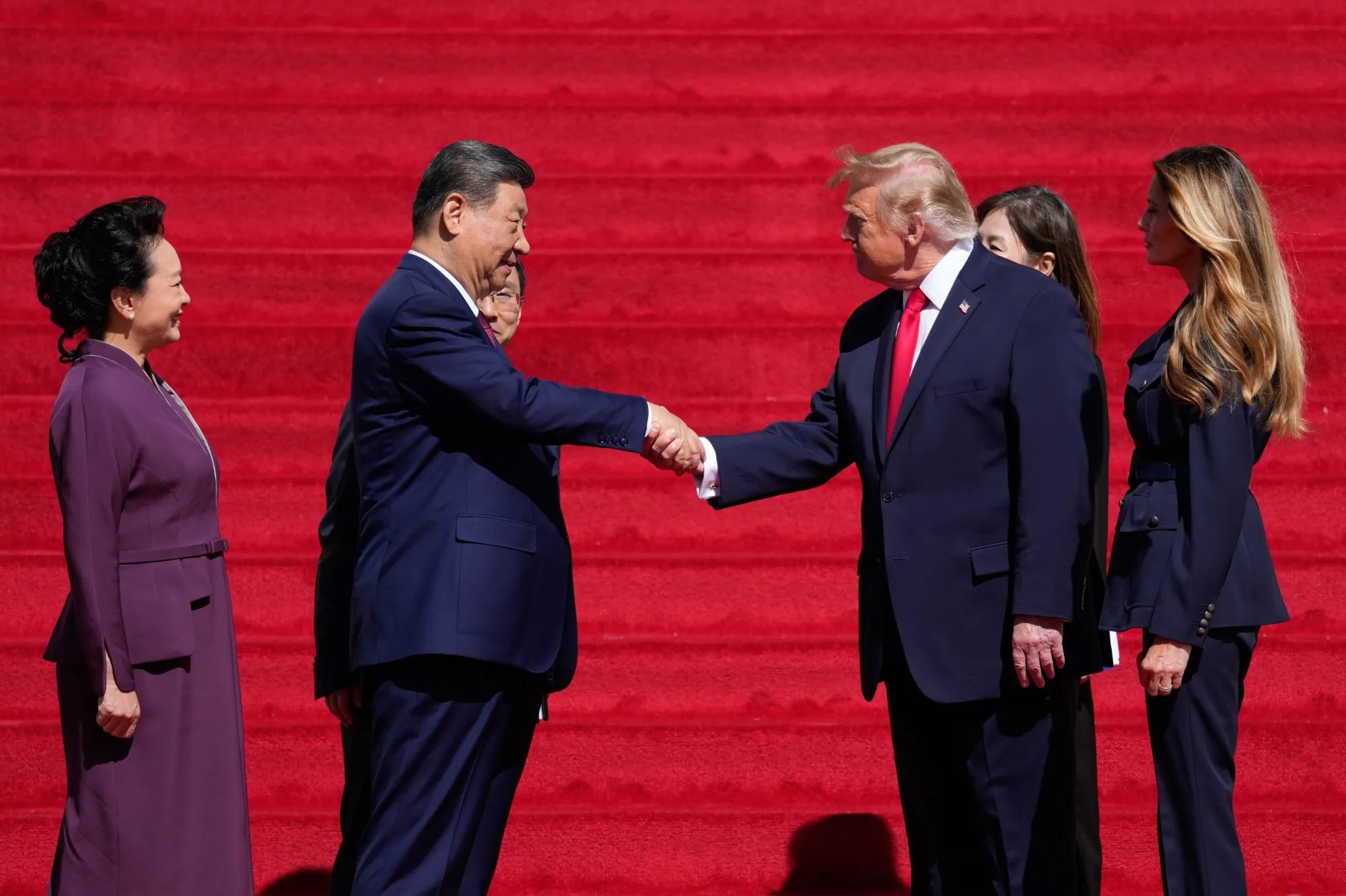
The latest meeting between U.S. President Donald Trump and Chinese President Xi Jinping demonstrated the increasingly narrow space for cooperation between Washington and Beijing. While the summit reinforced the value both governments place on direct communication, it produced no broad settlement of the disputes that continue to define the relationship.
The economic relationship remains the most practical area for limited engagement. Trade continues to connect the two economies through agriculture, manufacturing, technology and critical supply chains, giving both governments incentives to prevent another sharp deterioration. Trump emphasized benefits for American farmers and other U.S. interests, while China retains leverage through its position in important parts of global supply networks. Reuters reported that the two sides extended their trade truce for two months, providing additional time for negotiations rather than resolving the structural disagreements behind the dispute.
That distinction is important for businesses. A temporary reduction in trade pressure can improve visibility for companies planning purchases, production and investment, but it does not eliminate the policy risks surrounding tariffs, export controls or access to strategic markets. The summit therefore points toward a model of managed economic competition in which commercial ties continue, but companies must increasingly account for geopolitical considerations in their long-term strategies.
Technology presents an even more complicated challenge. Artificial intelligence and advanced semiconductors are simultaneously commercial assets and national-security priorities for both countries. The United States and China have discussed mechanisms for dialogue over AI-related risks, yet the broader competition for technological leadership limits the prospects for deep cooperation. The two governments remain divided over the development, regulation and strategic use of advanced technologies.
This competition is also reshaping corporate strategy. Technology companies operating across both markets face a more fragmented business environment, with decisions about research, investment, supply chains and market access increasingly influenced by government policy. For major global brands, maintaining international scale now requires balancing commercial opportunity against regulatory and national-security constraints.
Taiwan remains another structural fault line. Chinese pressure for changes in U.S. policy toward Taiwan intersects directly with American security commitments and with the broader technological competition between the two countries. The issue therefore extends beyond diplomacy, affecting defense industries, semiconductor supply chains and investor assessments of geopolitical risk.
China's relationship with Iran adds another layer of complexity. Washington continues to view Beijing's economic links with Tehran as a point of strategic concern, while China has maintained important commercial ties with Iran. This means that even when Washington and Beijing identify common interests in stabilizing their bilateral relationship, disagreements over broader foreign-policy priorities can quickly constrain cooperation.
From a corporate and market perspective, the summit is therefore less significant as a breakthrough than as evidence of a new operating environment. The two largest economies have strong reasons to keep communication open, but neither side appears prepared to abandon the strategic tools it considers essential to its economic and security interests.
For companies, investors and international markets, the emerging pattern is one of controlled competition rather than comprehensive reconciliation. Trade negotiations may produce temporary relief, while technology restrictions and geopolitical disputes remain embedded in business planning. The ability of Washington and Beijing to maintain predictable communication could consequently become as important to global markets as any individual agreement reached at the negotiating table.
The longer-term question is whether this managed competition can remain stable as artificial intelligence, semiconductors, critical minerals and regional security become increasingly interconnected. The summit suggests that direct engagement will continue, but it also shows that maintaining dialogue and resolving the underlying strategic rivalry are two very different objectives.
News You Should See
2026 Nobel Medicine Prize Honors Scientists Behind Optogenetics Breakthrough
Oil Prices Edge Lower as Stronger Middle East Exports and G7 Reserves Ease Supply Concerns
Trump Offers U.S. Assistance to Russia After Death at Siberian Plague Research Institute
Trump Takes Economic Message to Nebraska as GOP Faces Rising Cost-of-Living Pressure
U.S. Appeals Court Weighs Trump Administration’s $2.6 Billion Harvard Funding Fight
U.S. Midterm Elections Begin With Resilient Jobs Market and Persistent Cost Pressures
Latest News
The 2026 Nobel Prize in Physiology or Medicine honors Karl Deisseroth, Peter Hegemann and Georg Nagel for pioneering research behind optogenetics and its impact on neuroscience.
Oil prices edged lower as stronger Middle Eastern exports and a planned G7 release of 100 million barrels eased immediate supply concerns, while Gulf security risks and the Strait of Hormuz kept markets alert.
President Donald Trump said the United States would help Russia if needed after a laboratory worker died at a Siberian plague research institute, as Russian authorities imposed precautionary quarantine measures.
Trump’s Nebraska campaign stop highlights rising fuel and grocery costs, beef prices and growing economic pressure on Republicans ahead of the November midterm elections.
A U.S. appeals court is reviewing the Trump administration’s effort to cut Harvard’s federal research funding, with more than $2.6 billion at stake.
The U.S. enters the 2026 midterm elections with unemployment at 4.2%, while higher living and energy costs create economic pressure for households and businesses.
US services growth eased in September as input prices climbed to their highest level since July 2022, with fuel costs, supply-chain disruptions and strong demand increasing pressure on businesses.
Rising Treasury yields are increasing U.S. borrowing costs as Washington manages record debt, persistent inflation and strong economic demand, narrowing its policy options.
A EGP 16 million corporate partnership will establish and equip a bone marrow transplant unit at Cairo’s Coptic Hospital, supporting access to specialized treatment for patients.