Trump Warns BRICS Nations of 10% Tariff If 'Anti-American' Actions Persist
White House postpones tariff hike to August 1 but warns developing nations aligned with BRICS may face new penalties if policies oppose U.S. interests.

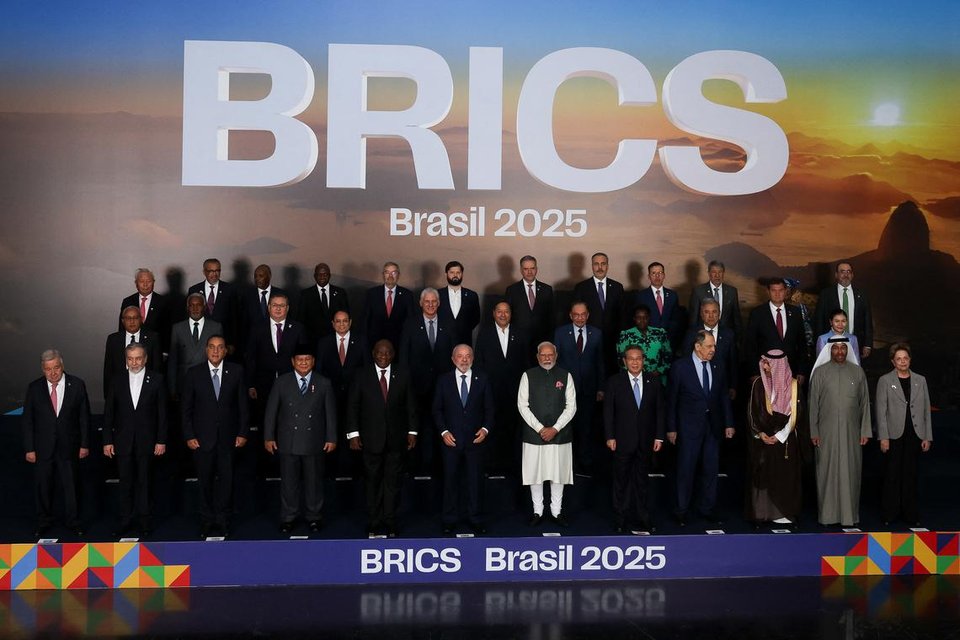
WASHINGTON – The Trump administration has postponed imposing a new 10% tariff on members of the BRICS bloc of developing nations but warned that the measure will be enforced if countries pursue what the White House deems “anti-American” policy actions, according to a source familiar with the matter.
President Donald Trump made the announcement on July 6 via his Truth Social platform, stating that nations aligning themselves with BRICS policies deemed hostile to the United States would face additional tariffs. No executive order has yet been issued.
“A line is being drawn,” said a senior source close to the matter, speaking on condition of anonymity.
“If policy decisions are made that are anti-American, then the tariff will be charged.”
The warning comes as several BRICS and partner nations, including India and Indonesia, are engaged in last-minute trade talks with U.S. negotiators ahead of a previously announced July 9 tariff deadline, which has now been extended to August 1.
⚠️ What Triggered the Warning
The escalation follows a 31-page joint statement released by BRICS leaders on July 6, condemning Israeli attacks on Gaza and Iran, calling for reforms to global institutions, and warning that unilateral tariffs threaten global trade.
While the BRICS group—Brazil, Russia, India, China, and South Africa—has long claimed to promote a multipolar world, Washington is interpreting recent statements as veering into anti-U.S. rhetoric.
Newer BRICS entrants and partner nations include Egypt, Ethiopia, Iran, UAE, Saudi Arabia, Bolivia, Nigeria, Cuba, Kazakhstan, Malaysia, Thailand, Vietnam, and Uganda.
Trump's move signals heightened scrutiny of these countries' foreign policy alignments, especially those with trade deals pending.
📦 Trade Talks in the Crosshairs
Despite the friction, several BRICS countries are still actively negotiating with the U.S.:
India is finalizing a mini trade agreement, which includes agriculture and dairy market access in exchange for lower tariffs on textiles and footwear.
Indonesia, facing a 32% tariff threat, has offered to slash import duties on U.S. goods and purchase $500 million worth of American wheat. A $34 billion trade pact is expected to be signed this week.
Thailand and Vietnam are also in talks, with Vietnam already concluding a framework agreement last week.
Meanwhile, South Africa publicly rejected accusations of being anti-American and said negotiations with the U.S. remain “constructive.”
🌍 Global Reaction & Strategy
Analysts suggest the tariff threat is part of Trump’s broader effort to maintain leverage in ongoing trade negotiations, especially after proposing steep import tariffs earlier this year on over a dozen countries.
“It’s a pressure tactic,” said a trade expert in Washington. “Trump is keeping countries on edge while seeking favorable deals—but he risks alienating allies.”
Several BRICS members are deeply reliant on trade with the U.S., and a 10% penalty could strain key export sectors like electronics, textiles, agriculture, and minerals.
While some leaders maintain ties with Trump—particularly in Saudi Arabia and the UAE—others are proceeding cautiously, wary of provoking further tariff escalation.
It remains unclear whether Trump’s latest threat will disrupt trade talks or hasten last-minute deals before the new August 1 deadline.
News You Should See
Vancouver Launches 12th Annual Korey’s Joy Drive to Support Local Families
Agassi Sports Entertainment Joins Sinclair and Tennis Channel to Expand Padel and Pickleball
Vizrt Completes Chyron Acquisition to Expand Global Broadcast Technology Capabilities
Anyma and Jean-Michel Jarre Announce Major Pyramids of Giza Concerts for 2027
Arsenal Women Strike First Against Barcelona in Champions League Showdown
New Egypt Group Backs Latin Social Organization’s Thanksgiving Food Drive in Bayonne
Latest News
Vancouver, Washington launches its 12th Korey’s Joy Drive, collecting toys, holiday gifts and winter supplies for families through local nonprofits.
Agassi Sports Entertainment partners with Sinclair and Tennis Channel to promote padel and pickleball through nationwide television and digital platforms.
Vizrt completes its acquisition of Chyron, combining broadcast graphics technologies to expand cloud production and real-time augmented reality solutions.
Anyma and Jean-Michel Jarre announce two electronic music performances at Egypt's Great Pyramids in spring 2027, with presale tickets starting November 18.
Arsenal Women take a 1-0 lead over Barcelona after Frida Maanum's 21st-minute goal in their 2026-27 UEFA Women's Champions League encounter.
New Egypt Group supports Latin Social Organization’s Thanksgiving Food Drive in Bayonne by contributing food supplies to help local families prepare for the holiday.
Shorter winter days can affect appetite, sleep and energy. A dietitian explains the biological reasons behind seasonal cravings and the importance of meal planning.
Medical leaders debate whether AI will improve diagnosis and healthcare delivery or weaken doctors' clinical skills through growing reliance on technology.
A study published in PNAS Nexus suggests that differences in immune cells may help explain variations in obesity and fat distribution between males and females.