Trump Unveils $550 Billion Japan Deal, Signals Aggressive US Trade Reset
Surprise agreement slashes tariffs, boosts U.S. market access, and overshadows deals with the Philippines, Vietnam, and Indonesia.

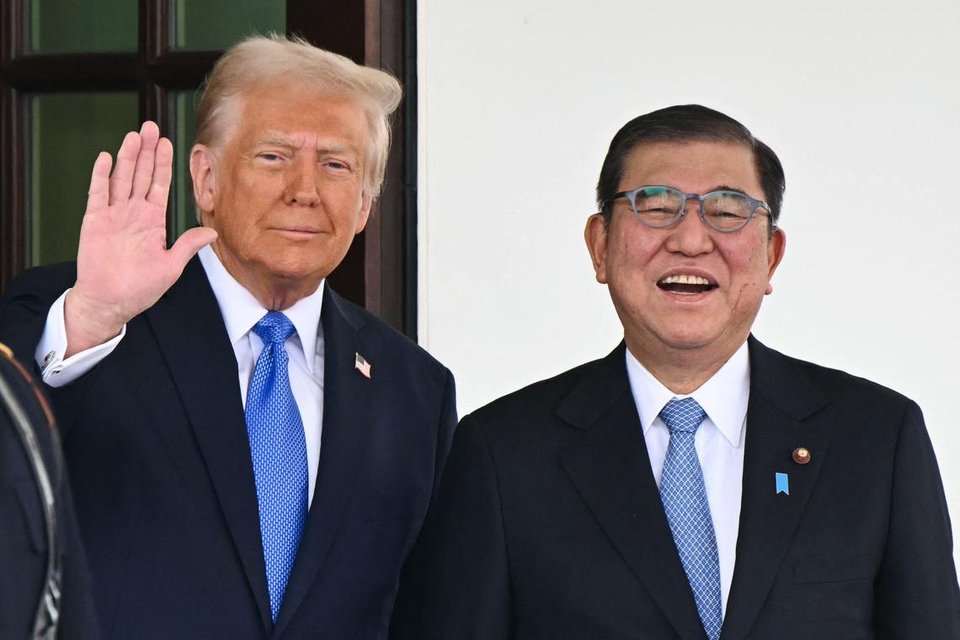
AUSTIN – In a surprising move that blindsided Washington insiders and global trade observers, President Donald Trump announced a sweeping $550 billion trade and investment deal with Japan on July 22—overshadowing other pending agreements with Southeast Asian nations.
Posted via his Truth Social platform, Trump called it “perhaps the largest deal ever made,” claiming it would deliver 90% of profits to the United States and create “hundreds of thousands of jobs.”
Key Terms of the Japan Deal:
$550 billion Japanese investment into the U.S.
Tariffs slashed to 15% on Japanese exports (down from 25%)
Increased U.S. access to Japan’s markets for cars, trucks, rice, and agricultural goods
A major win for Japanese automakers, who gain easier access to U.S. markets
Japan's chief negotiator Ryosei Akazawa confirmed the terms, noting that Japan would meet U.S. demands while securing reduced tariffs for its car industry.
The announcement surprised analysts expecting news about a trade agreement with the Philippines following President Ferdinand Marcos Jr.’s White House visit. Instead, Trump revealed that Philippine exports to the U.S. will be subject to a 19% tariff, while the Philippines will levy zero tariffs on U.S. goods.
More Asia Deals Unveiled:
Indonesia: U.S. to receive critical minerals and aircraft orders in exchange for eliminating nearly all tariffs on U.S. goods; Indonesian exports to face 19% tariffs, with 40% tariffs on goods with content from “non-market economies” like China.
Vietnam: A 20% tariff on Vietnamese goods, 40% on transshipped goods, in return for full tariff elimination on U.S. exports.
These trade moves mark a dramatic escalation of Trump’s tariff-first strategy, with White House insiders noting the effort is designed to open foreign markets, reduce trade deficits, and protect domestic industries.
Implications for Other Asian Nations
Countries like India, Singapore, and South Korea are now under pressure to negotiate similar deals. Talks with South Korea are slated for July 25, with Seoul weighing tariff concessions on agriculture and autos to avoid looming 25% tariffs.
Trump’s tactics have drawn scrutiny but also appear to be delivering results. In just one month, the White House has struck or previewed four major Asia trade deals—a notable momentum despite the President’s earlier promise of “90 deals in 90 days.”
“The $550 billion Japan deal on top of its existing $860 billion in U.S. investments makes Japan the No. 1 foreign investor in the U.S.,” noted Dr. William Chou of the Hudson Institute.
What's Next — Eyes on China
The Japan agreement is raising speculation about upcoming trade talks with China, especially amid Trump’s comment about a potential visit with President Xi Jinping “not too far into the future.”
Observers expect any deal with Beijing to mirror the Japan framework—emphasizing purchase agreements and massive investments into the U.S. to avert 50%+ tariffs that are currently threatened.
“China can no longer use trade to drive a wedge between the U.S. and Indo-Pacific nations,” Dr. Chou added, calling the deals a geopolitical reset in favor of Washington.
A Broader Trade Doctrine
Data released by U.S. Customs showed $27 billion in tariff revenue in June alone, with year-to-date revenue hitting $113 billion, an 86% increase over last year.
However, some remain skeptical. Frank Lavin, a veteran trade negotiator, said Trump’s trade strategy reflects “mercantilism” — aiming to boost U.S. exports while limiting imports — but warned it could undermine global economic efficiency and burden consumers.
“It’s not clear how this will help the U.S. economy in the long run,” Lavin said.
News You Should See
Five Tama County Towns Launch Joint Downtown Revitalization Initiative
Columbus North Students Present Shakespeare’s As You Like It This Weekend
Northeast Ohio Students Rally for Hearing Care Through Charity Volleyball Event
Evanston Arts Council Celebrates Local Talent at Annual Bright Night Event
NBA Cup Group Stage Features High-Stakes Knicks-Pacers and Cavaliers-Heat Showdowns
New Jersey Devils Overcome Capitals With Three-Goal Third-Period Surge
Latest News
Five Tama County communities begin a downtown assessment program focused on storefront upgrades, pedestrian accessibility, and local economic growth.
Columbus North High School drama students stage William Shakespeare’s As You Like It at Judson Erne Auditorium in a weekend theatrical production.
Youngstown State students host the annual Hits for Hearing volleyball fundraiser, supporting access to hearing aids and auditory care across the Mahoning Valley.
Evanston Arts Council celebrates local artists, performers and cultural grant recipients at its annual Bright Night for the Arts event.
The NBA Cup group stage continues November 13 with Knicks-Pacers and Cavaliers-Heat leading a nine-game schedule across the league.
New Jersey Devils defeat Washington Capitals 5-2 after scoring three unanswered third-period goals to secure their 14th NHL win of the season.
Healthcare investments in Asia and the Middle East are transforming hospital rankings through advanced technology, medical tourism and expanded specialist services.
Look-alike contests inspired by Elizabeth Holmes are spreading across American cities, combining entertainment, viral marketing and growing interest in the documentary about the Theranos founder.
A University of Virginia mouse study identifies CASS4's role in brain immune cells and its potential importance in limiting Alzheimer's-related damage.