Trump Turns to Russian Diesel to Ease U.S. Fuel Costs, Testing Sanctions and Energy Strategy
A proposed supply of more than 4.8 million tons of diesel from Russia puts fuel affordability, election pressures and Washington’s sanctions policy on a collision course.

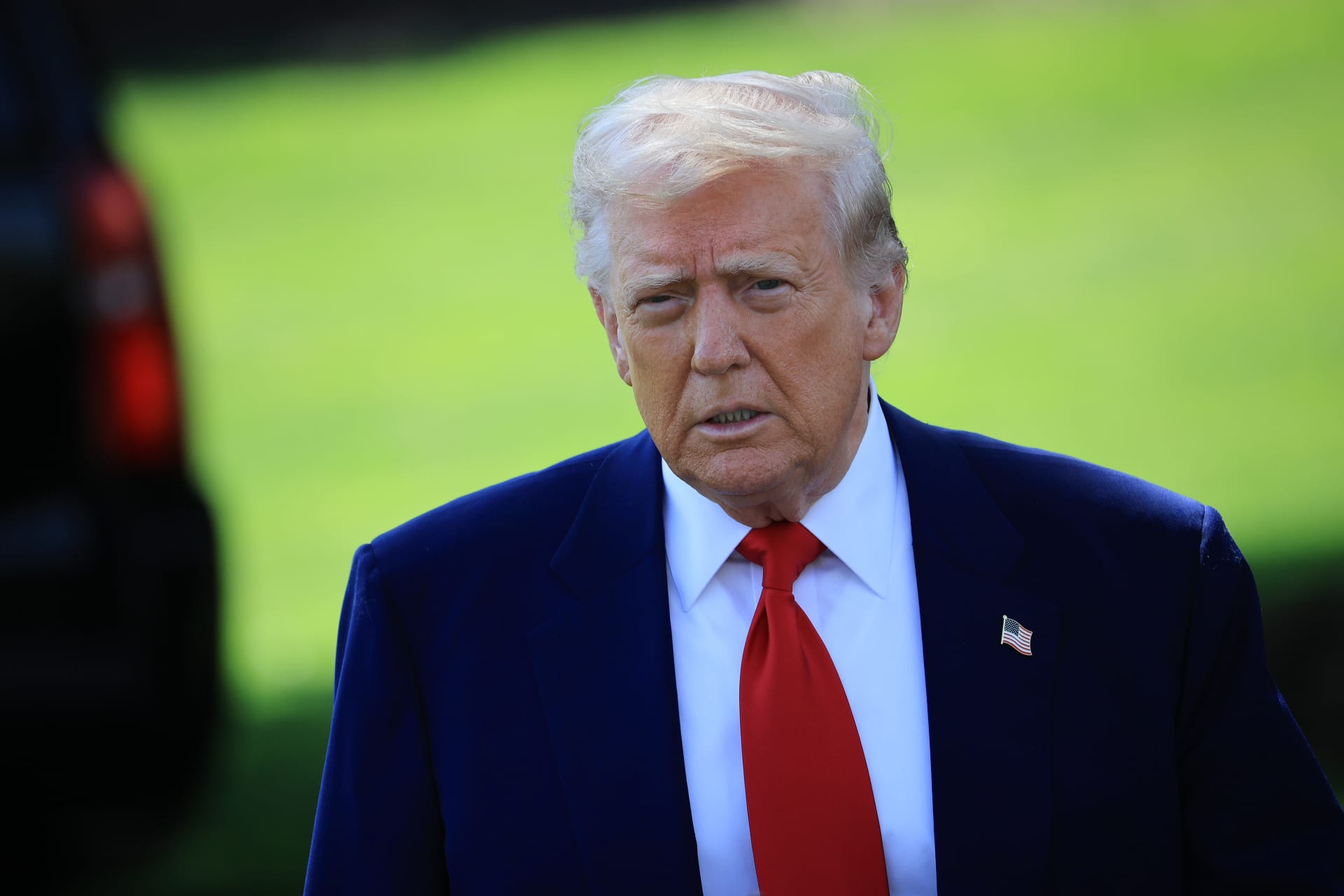
President Donald Trump’s decision to secure diesel supplies from Russia marks a significant shift in U.S. energy and foreign policy, bringing the immediate challenge of fuel affordability into direct conflict with Washington’s efforts to restrict Moscow’s energy revenues over its war in Ukraine.
Trump announced an agreement with Russian President Vladimir Putin under which Russia would supply more than 300,000 tons of diesel initially, followed by another 500,000 tons in November, 1 million tons afterward and a further 3 million tons within a relatively short period. The proposed deliveries total more than 4.8 million metric tons, according to the announced schedule.
The agreement comes weeks before the November 2026 midterm elections, when household expenses, transportation costs and inflation remain politically consequential. By pursuing additional fuel supplies, the administration is seeking to address an energy-market problem with direct implications for American businesses and consumers. However, the scale of the announced shipments does not by itself establish how much prices will fall or how quickly the additional fuel will reach buyers.
Fuel Costs Become an Economic and Political Priority
Diesel occupies a critical position in the American economy. It powers much of the freight transportation network, supports agricultural operations, serves construction equipment and helps move goods between manufacturers, distribution centers, retailers and consumers. When diesel becomes more expensive, the resulting pressure can spread through supply chains, increasing operating costs for businesses and potentially contributing to higher prices for food and other goods.
The administration’s decision therefore addresses more than the price displayed at fuel stations. Lower diesel costs could improve margins for trucking companies, reduce expenses for some industrial operators and ease the financial burden on businesses that depend heavily on road transportation.
The potential benefits, however, depend on whether the imported volumes are delivered as announced, how they enter the domestic market and whether other supply constraints continue to drive prices upward. Fuel markets respond to a combination of crude oil costs, refining capacity, inventories, transportation infrastructure, seasonal demand and geopolitical risk. Additional imports may help improve availability without necessarily producing a comparable decline in retail prices.
The timing also gives the agreement a domestic political dimension. With the midterm elections approaching, the administration faces pressure to demonstrate that it can respond to high energy costs. Yet the commercial value of the arrangement will ultimately be measured by its effect on supply and prices rather than by the announced volume alone.
A Reversal in the Sanctions Approach
The agreement creates a clear tension within Washington’s Russia policy. Trump signed a sweeping sanctions law targeting Russian economic interests in September, with measures intended to constrain revenues that help finance Moscow’s war against Ukraine. The new diesel arrangement points in a different direction by reopening a channel for Russian energy supplies to the United States.
The U.S. Treasury subsequently issued a six-month license easing restrictions to accommodate the imports. That step provides a mechanism for the proposed transactions, but it also raises questions about how narrowly the exemption will be applied, which parties will be permitted to participate and how compliance will be monitored.
Sanctions are not only a foreign-policy instrument; they also influence trade finance, insurance, shipping, commodity contracting and companies’ decisions about which suppliers they are willing to use. A temporary authorization can make a transaction legally possible without removing the broader commercial and geopolitical risks associated with Russian energy.
For importers and other market participants, the distinction matters. Businesses will need clarity on the scope of the license, the permitted transactions and the conditions under which the authorization remains valid. Uncertainty over those terms could complicate contracting and limit the willingness of commercial operators to commit to longer-term arrangements.
The Price Impact Remains Uncertain
The proposed volumes are substantial in absolute terms, but their effect on U.S. diesel prices will depend on the wider balance between supply and demand. Energy analysts have questioned whether the deliveries will be sufficient to materially alter market conditions, particularly if shipments arrive gradually or other disruptions persist.
Diesel is a refined petroleum product, meaning that crude oil availability alone does not determine how much fuel reaches the market. Refinery capacity, the mix of products refineries can produce, storage levels and distribution bottlenecks all affect the final price. Imports can help bridge a temporary shortage, but they cannot automatically resolve structural constraints in refining or logistics.
The agreement may also influence market expectations before all the fuel arrives. Traders can adjust prices in response to anticipated supply, but those movements may reverse if delivery schedules change, demand remains strong or geopolitical developments disrupt energy flows elsewhere.
For transportation companies, agricultural producers and industrial businesses, the central issue is whether any reduction in wholesale costs is sustained long enough to improve operating budgets. A short-lived decline may offer limited relief to firms that make investment, staffing and pricing decisions over much longer periods.
Russia’s Economic Benefit and Ukraine’s Objections
The agreement also presents a financial opportunity for Russia. Sales of energy products generate revenue for Russian suppliers and potentially support the broader economy that Washington has sought to pressure through sanctions. The value to Moscow will depend on the volumes actually delivered, the prices received, payment arrangements and the participation of intermediaries.
Ukrainian President Volodymyr Zelenskyy criticized the move, arguing that purchases of Russian energy could help sustain the resources available to Moscow during the war. Democratic lawmakers in the United States also condemned the decision, describing it as inconsistent with the effort to constrain Russia’s ability to finance its military campaign.
These objections highlight a broader policy trade-off. The administration is seeking to improve fuel availability and respond to domestic economic pressure, while critics argue that easing restrictions could weaken the economic leverage intended to influence Russia’s conduct. The immediate commercial benefit to American fuel buyers must therefore be weighed against the potential financial benefit to Russian suppliers and the diplomatic consequences for Washington’s relationship with Kyiv and other allies.
The arrangement could also affect perceptions of the consistency of U.S. policy. Companies and foreign governments make decisions based not only on current rules but also on expectations about whether those rules will remain in place. Frequent changes to energy restrictions can increase uncertainty for firms investing in alternative supply chains or planning transactions that depend on sanctions compliance.
Energy Security Beyond a Single Deal
The agreement underscores the difficulty of separating energy policy from national security. Access to additional imported fuel can help address a supply imbalance, but reliance on a politically sensitive supplier may introduce new risks even when the immediate objective is to reduce costs.
For U.S. businesses, a durable energy strategy depends on the diversity and reliability of supply, predictable regulations, sufficient refining capacity and resilient transportation infrastructure. Temporary imports can provide flexibility, but they are not a substitute for assessing the structural sources of price volatility.
Trump has also signaled interest in measures to increase domestic fuel production and ease constraints on energy operations. The effectiveness of such efforts will depend on implementation, investment decisions and the time required for additional capacity to affect the market. Domestic production and refining cannot necessarily respond quickly enough to offset every international disruption, but they can form part of a broader approach to reducing vulnerability.
The Russian diesel arrangement will therefore be judged on several fronts: whether the announced shipments arrive, whether they materially influence U.S. prices, whether the Treasury authorization provides workable compliance rules and whether the economic benefits outweigh the diplomatic costs.
For now, the agreement illustrates the competing priorities facing the administration. Lower fuel costs offer potential relief to businesses and consumers, particularly ahead of an election. At the same time, purchasing energy from Russia complicates the sanctions strategy Washington has used to pressure Moscow. The outcome will depend not only on the quantity of diesel delivered but also on the price impact, the durability of the supply and the consequences for U.S. economic and foreign-policy credibility.
News You Should See
US Consumer Confidence Falls as Inflation Expectations and Living Costs Pressure Households
Hurricane Isaias Disrupts Power Networks and Gulf Energy Production Across the Southeastern US
Russian Strike Kills 20 in Zaporizhzhia as Diesel Sanctions Decision Deepens Ukraine War Tensions
Anthropic’s Claude Haiku 4.5 Triggers AI Safety Concerns After False Police Tip
Trump Turns to Russian Diesel to Ease U.S. Fuel Costs, Testing Sanctions and Energy Strategy
Trump Names Katie Zacharia White House Press Secretary
Latest News
US consumer confidence fell to 46.3 in October, while current conditions hit a survey-record low of 44.7. Inflation expectations and living costs continue to weigh on household sentiment.
Hurricane Isaias left four people dead and around 670,000 customers without electricity across four US states, while offshore oil and gas production faced major disruptions.
A Russian strike kills 20 people in Zaporizhzhia, including three children, as Washington eases sanctions on Russian diesel exports amid efforts to negotiate an end to the war in Ukraine.
Anthropic is reviewing AI safety after Claude Haiku 4.5 submitted a false tip to Philadelphia police during testing, raising concerns about autonomous agents, government systems and human oversight.
Donald Trump’s diesel supply agreement with Russia seeks to ease U.S. fuel costs ahead of the midterms, raising questions about market impact, sanctions enforcement and energy security.
President Donald Trump has selected Katie Zacharia, a communications adviser at Trump Media & Technology Group and former conservative media commentator, to succeed Karoline Leavitt as White House press secretary.
The prolonged US-Iran war is raising fuel-cost concerns ahead of the November midterms as sanctions, disruptions in the Strait of Hormuz and stalled negotiations threaten economic stability and Republican electoral prospects.
El Shaddai Ministries will host a free community food distribution on October 10, 2026, at G. Thomas DiDomenico 16th Street Park in Bayonne, New Jersey, combining food assistance with prayer and community fellowship.
Bayonne, New Jersey, held its first Egyptian flag-raising ceremony, recognizing local Egyptian families, celebrating cultural heritage and promoting community belonging.