Trump Threatens to Fire Fed Chair Powell—Experts Warn It Could Backfire
As Trump pressures the Federal Reserve for lower interest rates, firing Chair Jerome Powell could spook markets, raise borrowing costs, and undermine the Fed’s independence.
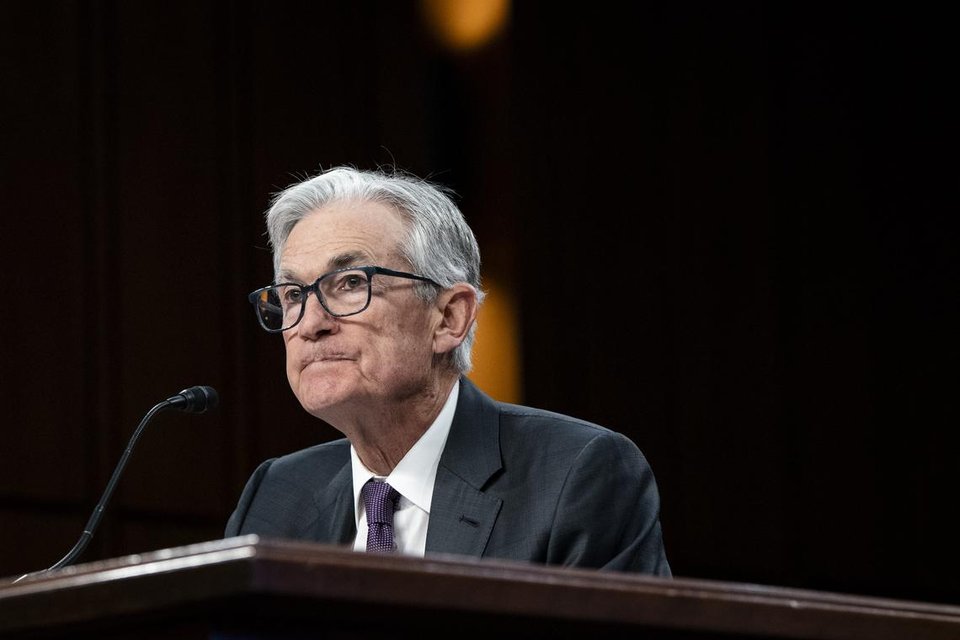
Trump's Threat to Fire Fed Chair Powell Could Undermine His Own Push for Lower Interest Rates
WASHINGTON – President Donald Trump has revived his campaign to pressure the Federal Reserve into lowering interest rates, openly questioning whether he should fire Chair Jerome Powell—a move economists say could backfire and raise borrowing costs for millions of Americans.
In a meeting with House Republicans on July 15, Trump reportedly displayed a draft letter of dismissal for Powell and asked lawmakers whether he should move forward. When asked the next day, Trump said he had no immediate plans, but refused to rule out removing Powell.
The President’s complaints center on the Fed’s decision to keep interest rates relatively high, even as inflation has cooled and economic growth has slowed.
But experts warn that ousting Powell could send long-term interest rates surging by undermining investor confidence in the central bank’s independence—a key factor in maintaining low borrowing costs.
“If my sole objective were lowering borrowing costs, this would not be the way I would go about it,” said Glenn Hubbard, a Columbia economist and former adviser to President George W. Bush. “It’s not going to work.”
Sure enough, yields on 10-year federal bonds—which influence mortgage and business loan rates—spiked on July 18 following news of Trump’s threats, before stabilizing slightly after he appeared to backtrack.
Why Firing Powell Could Raise Rates
There are two main reasons experts say firing Powell could increase long-term borrowing costs:
1. Inflation Fears
Removing Powell could make investors fear that the Fed would become more politically controlled, making it less likely to fight inflation aggressively in the future. This loss of independence could lead investors to demand higher interest rates on government bonds to offset the risk.
“The Fed’s credibility and independence were critical in getting Covid-era inflation under control,” said Joseph Gagnon, a former Fed economist. If that credibility erodes, inflation expectations—and rates—could rise.
2. Concerns Over Government Debt
Trump has accused the Fed of costing the country “trillions” in interest by keeping rates high, suggesting the Fed should help reduce debt payments. But economists say this perspective is dangerous.
“Lowering interest rates to make room for tax cuts or more debt is an extremely risky strategy for a central bank,” said Jason Furman, former adviser to President Obama. “Every time it’s been tried, it’s ended very badly.”
The U.S. government already carries nearly $30 trillion in debt, and if investors sense that fiscal discipline is weakening, they could demand even higher returns, further pushing up borrowing costs.
Fed Independence at Stake
The Federal Reserve is designed to be independent from political pressure so it can make unpopular decisions—like raising rates—to maintain economic stability.
During the Biden administration, Powell led the Fed to raise interest rates to the highest levels in decades to fight post-pandemic inflation, despite forecasts warning of a recession (which didn’t materialize).
If Trump removes Powell or installs a new chair with explicit marching orders to slash rates, it could erode the Fed’s role as a check against short-term political goals.
“This idea that the Fed can control debt service costs through politics is exactly wrong,” said Tara Sinclair, an economist at George Washington University. “Even before this, bond yields were rising on concerns about fiscal sustainability.”
What Happens Next
Powell’s current term ends in May, meaning Trump will have a chance to appoint a new Fed chair regardless of whether he follows through on firing him. Trump has said he intends to select someone who will prioritize cutting rates, raising concerns that future Fed policy could be politically driven.
Until then, Trump’s public attacks could continue to rattle markets, especially if he hints at intervening directly in monetary policy—something that risks undermining both investor confidence and long-term economic health.
News You Should See
FEMA and FCC Set Nationwide Emergency Alert System Test for Today
Lisa's 'Always Lalisa' Documentary Set for November 18 YouTube Premium Release
Darius Rucker Documentary Traces His Rise From Rock to Country Music
Hollywood Honors Glenn Close and Ridley Scott at Governors Awards
Toronto Tempo Claim Top Selection in 2027 WNBA Draft Lottery
Detroit Lions Overpower Patriots 35-10 in Munich Behind Jahmyr Gibbs' Outstanding Performance
Latest News
FEMA and the FCC will test America's Emergency Alert System on November 17 at 2:20 p.m. ET. Radio and TV broadcasts will be interrupted briefly.
Lisa's Always Lalisa documentary arrives on YouTube Premium November 18, featuring her solo career, Coachella performances and The White Lotus experience.
The Hulu documentary explores Darius Rucker's journey from Charleston to rock success with Hootie & the Blowfish and his country music career.
Glenn Close and Ridley Scott receive honorary Oscars alongside Floyd Norman, Pamela Koffler and Christine Vachon at Hollywood's Governors Awards.
Toronto Tempo secure the No. 1 pick in the 2027 WNBA Draft, raising expectations around the franchise's rebuilding plans and potential interest in JuJu Watkins.
Detroit Lions defeat New England Patriots 35-10 in Munich as Jahmyr Gibbs records 252 scrimmage yards and two touchdowns.
Minnesota Vikings defeat Green Bay Packers 30-10 as Kirk Cousins throws two touchdowns and the defense delivers eight sacks and four turnovers.
AAA expects 81.5 million Americans to travel for Thanksgiving 2026, with nearly six million flying as transportation costs influence holiday plans.
Nvidia's upcoming earnings report could offer insights into AI chip demand, data center investments and investor confidence amid uncertainty in the technology market.