Trump Takes Midterm Campaign to Arizona and Montana as Republicans Face Tougher Races
The president campaigned for Republicans in two western states as Democrats promoted affordability and government oversight. His Montana visit also included a Pentagon weapons-testing facility announcement.

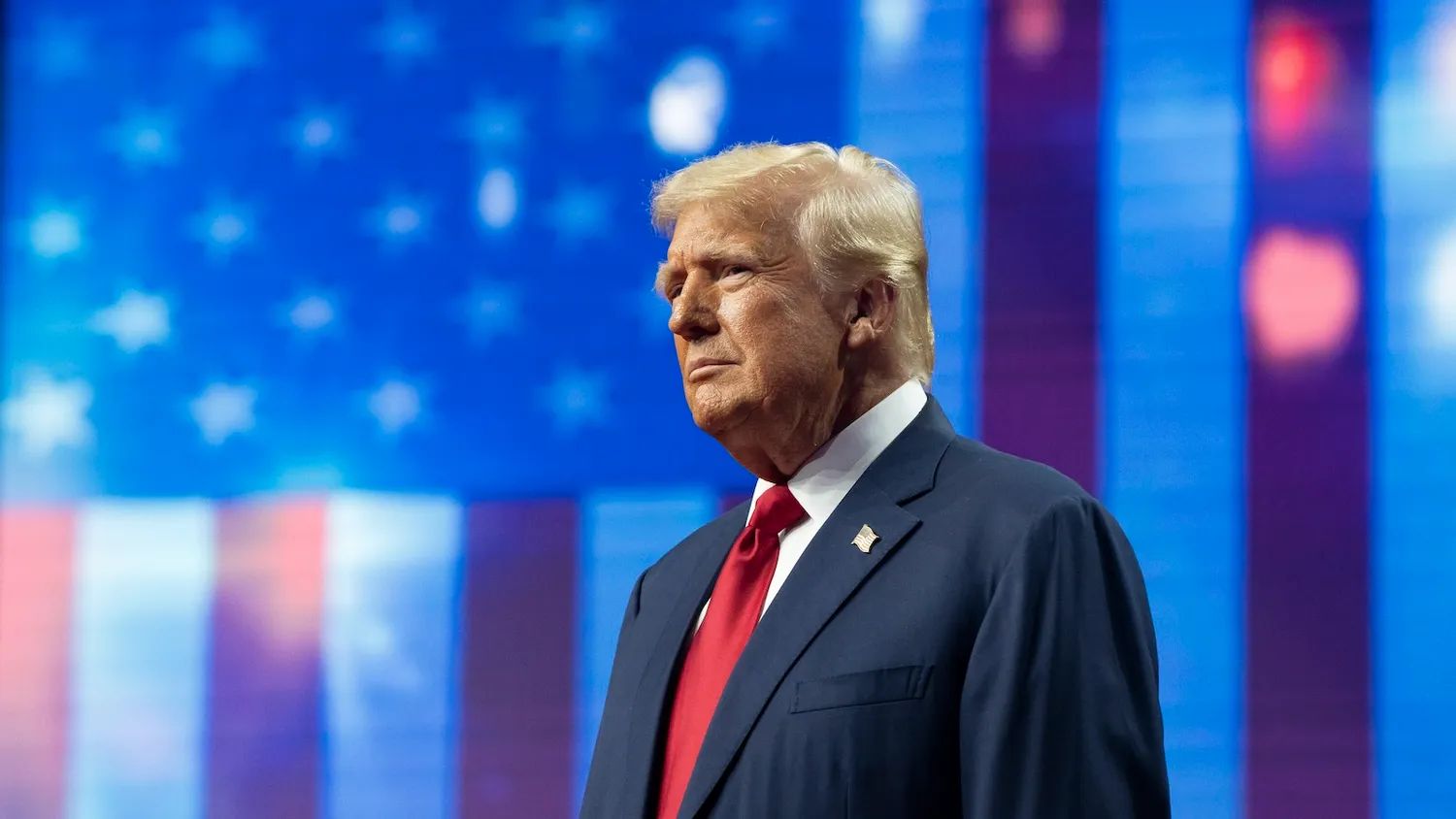
President Donald Trump took his midterm campaign to Arizona and Montana, using a pair of rallies to reinforce Republican candidates as the party confronts a more competitive political environment ahead of the November 3 elections. The western swing reflected the importance of presidential campaigning in races where local contests could influence control of Congress and shape the final two years of Trump's term.
In Bullhead City, Arizona, Trump sought to rally support for Republican Rep. Andy Biggs, who is running for governor. He then traveled to western Montana to campaign for Republican House candidate Aaron Flint. The events came as Republicans were retreating from several competitive House races and Democrats were increasing fundraising efforts to support candidates who had appeared less likely to win earlier in the campaign.
The schedule underscored a central challenge for the Republican Party: translating the president's visibility and political influence into victories for candidates facing distinct local concerns. Presidential rallies can draw attention, energize supporters and generate media coverage, but their impact depends on whether that enthusiasm reaches voters beyond the existing party base.
A defensive turn in the congressional campaign
The final weeks before the midterms have placed greater emphasis on protecting vulnerable seats. Republican candidates must contend with local campaign dynamics while also carrying the political consequences of the national administration's record. Democrats, meanwhile, are seeking to convert fundraising momentum and dissatisfaction over the cost of living into gains in closely contested districts.
Trump's appearances in Arizona and Montana offered an opportunity to connect individual candidates to his political brand. In Arizona, support for Biggs linked the president's campaign operation to a major statewide contest. In Montana, Flint's House campaign provided a more localized target in a district that generally leans Republican.
The two stops also illustrated how campaign strategies differ by state. In a competitive environment, rallies are not simply events for delivering speeches; they are opportunities to reinforce party loyalty, mobilize volunteers, attract donations and keep candidates visible. Yet the results will ultimately depend on turnout, candidate credibility and the issues voters prioritize at the ballot box.
Montana rally combines gun rights and defense investment
At his Montana event, Trump placed particular emphasis on the Second Amendment, aligning his message with the state's strong gun-rights culture. He promoted Republican candidates Kurt Alme, who is running for the Senate, and Aaron Flint, highlighting their ratings from the National Rifle Association. He also criticized Democratic candidates over their positions and ratings on gun-related issues.
The emphasis on gun rights gave the rally a clear regional focus. Rather than relying solely on national political themes, Trump sought to frame the election around an issue with an established constituency in Montana. For Republican candidates, such messaging can help consolidate voters who view firearms policy as a defining electoral concern.
Trump also announced that the Pentagon would establish a new advanced-weapons testing range in Montana. He presented the project as a contribution to American military strength and said the state's two Republican senators had repeatedly pressed for the facility.
The announcement linked the campaign appearance to defense infrastructure and federal investment. A major testing facility could bring economic activity to the surrounding region through construction, technical employment and demand for supporting services, although the announcement alone does not establish the project's budget, timetable, workforce requirements or eventual local economic impact. Those outcomes would depend on the Pentagon's implementation plans and the resources committed to the facility.
The defense announcement also gave Republican officials a potential economic and security message to take to voters: federal military investment can be presented both as a national security priority and as an opportunity for local development. Whether voters regard the proposal as a decisive benefit will depend on further details about its scope and execution.
Democrats build a competing economic message
While Trump focused on Republican candidates, House Democrats were preparing a 100-day agenda in case they regain control of the chamber. Democratic leader Hakeem Jeffries said the party intended to prioritize affordability and extensive congressional oversight of the Trump administration.
The proposed agenda includes efforts to restore Affordable Care Act tax breaks, reverse Republican Medicaid cuts, pursue votes related to the Iran war and challenge Trump's tariff policies. Democrats have also organized working groups around healthcare, housing, groceries and other household expenses, fuel and utilities, and caregiving.
The approach reflects an attempt to connect national policy debates with the financial pressures households experience directly. Prices for essential goods, housing costs, healthcare expenses and utility bills can influence voters across party lines, giving Democrats an opportunity to frame the election around economic performance rather than only ideological disputes.
Democrats are also preparing investigations into Trump, members of his family and his administration. Such oversight could become a defining feature of the next Congress if the party wins a majority. The scope of any legislative program, however, would depend on the size of that majority and whether Democrats also gain control of the Senate. Trump would retain his presidential veto, limiting the ability of a Democratic House to enact legislation without broader congressional support.
The political stakes extend beyond individual rallies
The Arizona and Montana visits formed part of a broader effort to use presidential campaigning to influence down-ballot races. The strategy offers Republican candidates access to Trump's national profile, but it also ties their campaigns more closely to the administration's policies and controversies.
For Democrats, the opportunity lies in persuading voters that congressional control can change the direction of federal policy, particularly on affordability, healthcare, trade and oversight. For Republicans, the challenge is to defend their record while maintaining enthusiasm among the coalition that elected Trump.
The outcome will depend on a combination of local and national factors: candidate quality, fundraising, voter turnout, the strength of competing messages and the competitiveness of individual districts. A rally can increase visibility, but it cannot by itself resolve divisions within a party or guarantee that supporters will vote.
Trump's western campaign swing therefore highlighted the broader contest taking shape before the midterms. Republicans are seeking to protect their congressional position through direct presidential intervention, while Democrats are preparing to make the election a referendum on household costs and the administration's conduct. The results will determine not only which party controls Congress, but also how much room the White House has to advance its agenda during the remainder of Trump's term.
News You Should See
Egyptian Healthcare Leader Dr. Hossam Abdel Maksoud Honored by The New York Foundling
U.S. Producer Prices Surge as Fuel Costs Intensify Inflation Concerns
IMF Calls for Stronger China Stimulus as Growth Slows and Deflation Risks Persist
AI Infrastructure Investment Faces Rising Costs and Greater Investor Scrutiny
Brewers Move Within One Win of World Series as Dodgers Face Elimination
Trump Takes Midterm Campaign to Arizona and Montana as Republicans Face Tougher Races
Latest News
Dr. Hossam Abdel Maksoud, founder of Dawah Pharma and CEO of Community Care Rx, receives recognition from The New York Foundling for his contributions to healthcare access and community service.
U.S. producer prices rose 1.3% in September and 6.3% year over year as gasoline and diesel costs surged, complicating the inflation outlook and Federal Reserve rate expectations.
The IMF urges China to expand fiscal stimulus, strengthen household demand and address its prolonged property crisis as growth is forecast to slow to 4.5% in 2026 and 4.0% in 2027.
Rising borrowing costs and investor caution are reshaping AI infrastructure investment, putting data center debt, project economics and long-term returns under closer scrutiny.
The Milwaukee Brewers beat the Los Angeles Dodgers 6-2 to take a 3-0 NLCS lead. Jake Bauers, Garrett Mitchell and Jackson Chourio powered Milwaukee to the brink of its first World Series appearance since 1982.
Trump campaigned in Arizona and Montana for Republicans as Democrats promoted affordability, healthcare and congressional oversight ahead of the 2026 midterms.
Trump campaigns for Alaska Sen. Dan Sullivan as Democrat Mary Peltola mounts a challenge ahead of the November 3 midterms, with inflation and fuel prices shaping the race.
Aberdeen police urge Heritage Square residents to check for missing valuables after superintendent Nicholas Brent’s arrest. The investigation continues, and the allegations remain unproven.
The Law Offices of Marc S. Albert announced six personal injury and medical malpractice settlements totaling $7.446 million, including cases involving a hospital respiratory emergency, vehicle crashes, a fall and a bicyclist.