Trump Signals Frustration with Putin but Avoids Major Escalation Amid Russia’s Summer Offensive in Ukraine
Despite ramped-up Russian drone and missile strikes, Trump offers limited military aid to Ukraine and stops short of decisive sanctions against Moscow.

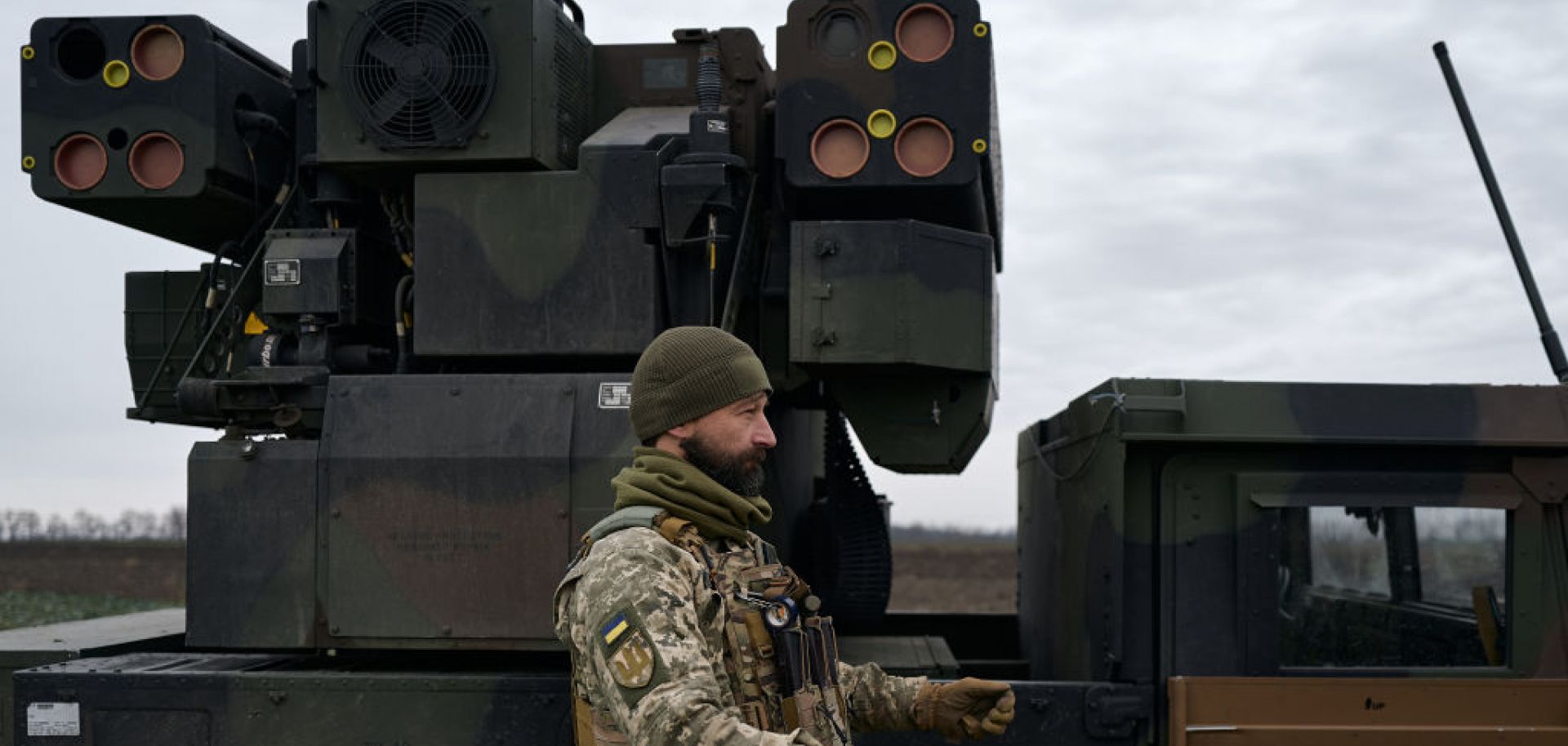
WASHINGTON / KYIV / MOSCOW —
Despite increasingly destructive Russian attacks in Ukraine, the Trump administration remains hesitant to significantly escalate pressure on Moscow, suggesting no major diplomatic breakthrough is likely until at least late 2025.
On July 10, President Donald Trump told NBC News that NATO allies will purchase U.S. military systems—including Patriot air defense systems—for transfer to Ukraine. He also teased a "major statement" on Russia coming Monday. These remarks follow a string of increasingly critical statements aimed at Russian President Vladimir Putin, signaling a shift in Trump’s tone.
On July 8, Trump sharply criticized Putin for "throwing a lot of bullshit" and failing to de-escalate the war. He also reversed a Pentagon pause on U.S. weapons deliveries to Ukraine, which had been made without his knowledge. On the same day, he voiced conditional support for the Sanctioning Russia Act of 2025, which would:
Sanction major Russian banks
Impose 500% tariffs on countries buying Russian oil, gas, or uranium (with carve-outs for Ukraine supporters)
Allow the president to waive sanctions for 180 days, extendable with congressional approval
Despite these shifts, Trump is unlikely to take bold steps that would fundamentally alter the Kremlin's calculus, given his desire to avoid prolonged entanglement in the war or derail potential détente with Moscow.
Russia's Escalation and U.S. Response
Russia has dramatically intensified aerial attacks, launching a record-breaking 728 drones and 13 missiles on the night of July 8–9—the third new record in just two weeks. These bombardments are straining Ukraine’s air defenses, which still rely heavily on Western interceptors, especially U.S.-supplied Patriots.
At the same time, Russian forces are making steady advances across key frontlines, leveraging manpower and firepower advantages.
While Trump acknowledged that Ukrainians “have to be able to defend themselves,” his actions so far suggest only incremental aid rather than a surge of new support. The Patriot missile transfer plan via NATO allies could help Ukraine, but timelines and weapons details remain unclear.
Stalled Diplomacy and Upcoming Talks
Both Russia and Ukraine remain open to talks, but no date has been set for a third round of direct negotiations. The first two produced limited outcomes, primarily prisoner exchanges.
Russia demands recognition of its control over Crimea and four eastern provinces, curbs on Ukraine’s military growth, and the removal of sanctions.
Ukraine has rejected these demands, offering only a temporary ceasefire.
Despite speaking with both Putin and Zelensky earlier this month, Trump has expressed disappointment with Russia’s response, especially following the July 3-4 calls, which were followed by escalated Russian attacks.
Domestic & International Calculations
Trump's reluctance to escalate sanctions stems not only from diplomatic caution but also economic concerns. Imposing 500% tariffs on major trade partners like China or India could ignite trade wars and threaten a U.S. economic slowdown. He has thus demanded greater executive flexibility before signing the sanctions bill.
Meanwhile, Pentagon-led delays in weapons deliveries—done without coordinating with Trump—sparked frustration in the White House, highlighting tensions between military leaders and the administration.
Outlook: Limited Progress Until Late 2025
Trump’s shift in tone may bring incremental aid increases
Full enforcement of the Russia sanctions bill remains uncertain
Russia’s ongoing offensive and growing military production will keep pressure on Ukraine
Major peace talks progress unlikely before late fall, when battlefield conditions may shift
Unless Trump radically alters his current approach, Russia will retain strategic momentum, and any eventual peace deal—if reached—could favor Moscow’s terms.
News You Should See
Vancouver Launches 12th Annual Korey’s Joy Drive to Support Local Families
Agassi Sports Entertainment Joins Sinclair and Tennis Channel to Expand Padel and Pickleball
Vizrt Completes Chyron Acquisition to Expand Global Broadcast Technology Capabilities
Anyma and Jean-Michel Jarre Announce Major Pyramids of Giza Concerts for 2027
Arsenal Women Strike First Against Barcelona in Champions League Showdown
New Egypt Group Backs Latin Social Organization’s Thanksgiving Food Drive in Bayonne
Latest News
Vancouver, Washington launches its 12th Korey’s Joy Drive, collecting toys, holiday gifts and winter supplies for families through local nonprofits.
Agassi Sports Entertainment partners with Sinclair and Tennis Channel to promote padel and pickleball through nationwide television and digital platforms.
Vizrt completes its acquisition of Chyron, combining broadcast graphics technologies to expand cloud production and real-time augmented reality solutions.
Anyma and Jean-Michel Jarre announce two electronic music performances at Egypt's Great Pyramids in spring 2027, with presale tickets starting November 18.
Arsenal Women take a 1-0 lead over Barcelona after Frida Maanum's 21st-minute goal in their 2026-27 UEFA Women's Champions League encounter.
New Egypt Group supports Latin Social Organization’s Thanksgiving Food Drive in Bayonne by contributing food supplies to help local families prepare for the holiday.
Shorter winter days can affect appetite, sleep and energy. A dietitian explains the biological reasons behind seasonal cravings and the importance of meal planning.
Medical leaders debate whether AI will improve diagnosis and healthcare delivery or weaken doctors' clinical skills through growing reliance on technology.
A study published in PNAS Nexus suggests that differences in immune cells may help explain variations in obesity and fat distribution between males and females.