Trump Selects John Coale as Special Presidential Envoy for Hostage Affairs
John Coale will move from his role as U.S. envoy to Belarus to lead Washington’s diplomatic efforts involving Americans held hostage or detained abroad.

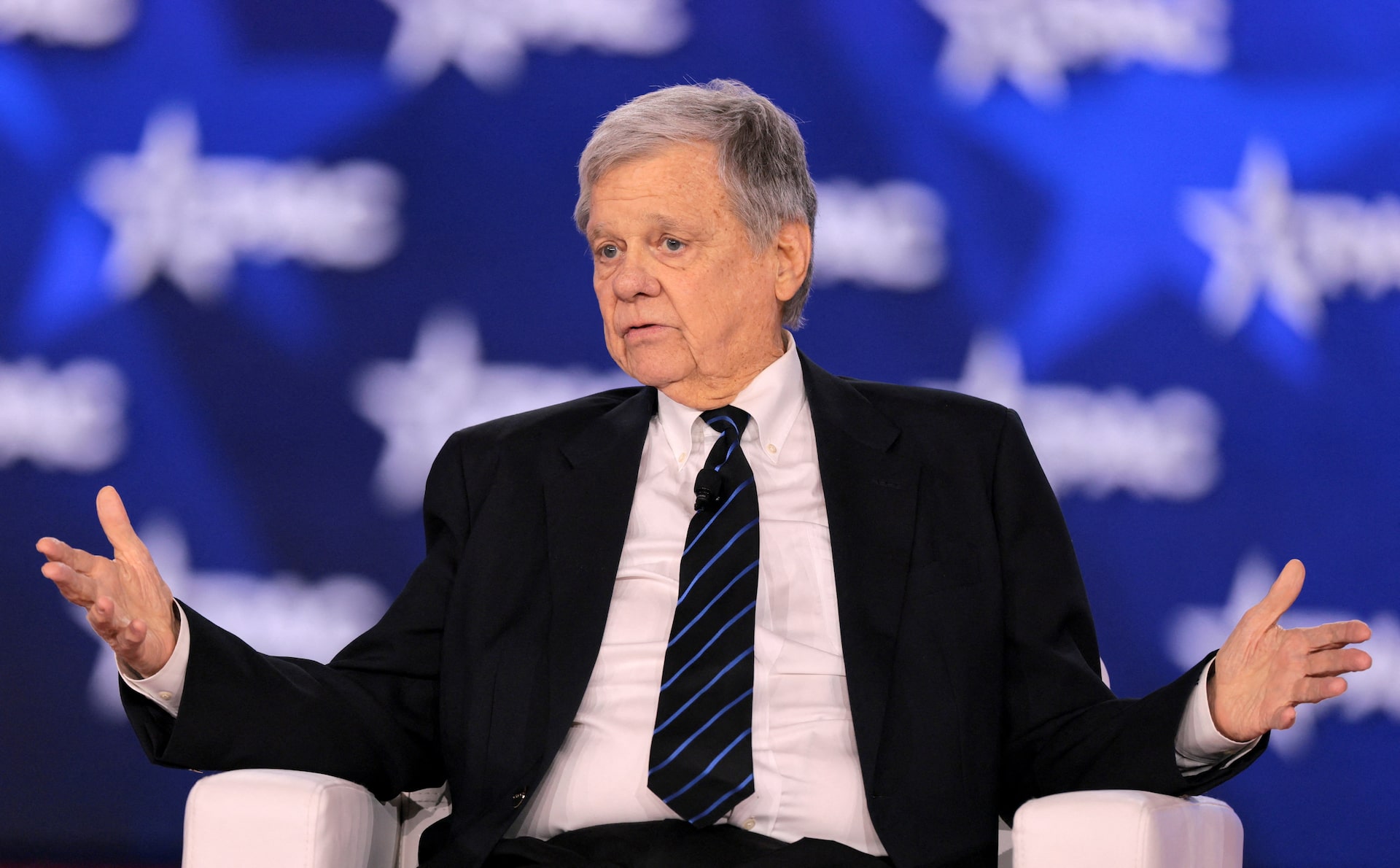
WASHINGTON — President Donald Trump’s decision to move John Coale from his diplomatic assignment in Belarus to the White House’s hostage affairs portfolio reflects the administration’s growing reliance on specialized negotiators in cases involving Americans detained overseas.
Coale, a lawyer who has spent more than a year engaging with officials in Minsk, has built his recent diplomatic profile around prisoner-release negotiations. Trump said Coale helped secure the return of more than 65 Americans and allied citizens from Belarus during the past year and participated in negotiations that led to the release of more than 800 political prisoners across several Eastern European countries.
The move gives Coale a broader mandate at a time when hostage and wrongful-detention cases remain heavily dependent on direct government-to-government contacts, intermediaries and complex negotiations. His experience in Belarus provides him with a record of dealing with governments where diplomatic, political and humanitarian interests overlap.
That background could prove relevant to the new assignment. Negotiations over detained Americans often require sustained communication with foreign authorities and the ability to manage several interests simultaneously. Coale’s work in Belarus has involved precisely that type of diplomacy, including discussions that preceded prisoner releases.
The appointment also represents a change in personnel for a role that has become an important component of Washington’s efforts to bring Americans home. Coale will replace Adam Boehler, whom Trump credited with helping secure the return of 196 hostages. Boehler will remain connected to the administration as a senior adviser and continue working on other matters.
The transition suggests that the administration intends to preserve a dedicated diplomatic channel for hostage and detainee cases rather than treating individual cases solely through conventional diplomatic structures. The position, established to coordinate U.S. efforts involving Americans held hostage or wrongfully detained abroad, brings together diplomatic negotiations and interagency coordination.
Coale’s new assignment could also extend the negotiating approach he developed in Belarus. His previous work demonstrated how prisoner releases can become part of wider diplomatic discussions, with the United States balancing humanitarian objectives against broader relations with foreign governments.
The administration has not publicly outlined the specific priorities Coale will pursue in the new position. That leaves open the question of whether his approach will focus primarily on individual negotiations or whether Washington will seek broader diplomatic frameworks for resolving hostage and wrongful-detention cases.
For the U.S. government, the effectiveness of the new envoy will ultimately be measured by concrete outcomes: Americans returned home, cases resolved and diplomatic channels maintained in situations where traditional pressure may have limited results.
Coale’s appointment therefore places his Belarus experience at the center of a much wider foreign-policy responsibility. His record of negotiating prisoner releases gives the administration an experienced figure for a sensitive portfolio, while the scale and complexity of future cases will determine how far that experience can be translated into results beyond Eastern Europe.
News You Should See
2026 Nobel Medicine Prize Honors Scientists Behind Optogenetics Breakthrough
Oil Prices Edge Lower as Stronger Middle East Exports and G7 Reserves Ease Supply Concerns
Trump Offers U.S. Assistance to Russia After Death at Siberian Plague Research Institute
Trump Takes Economic Message to Nebraska as GOP Faces Rising Cost-of-Living Pressure
U.S. Appeals Court Weighs Trump Administration’s $2.6 Billion Harvard Funding Fight
U.S. Midterm Elections Begin With Resilient Jobs Market and Persistent Cost Pressures
Latest News
The 2026 Nobel Prize in Physiology or Medicine honors Karl Deisseroth, Peter Hegemann and Georg Nagel for pioneering research behind optogenetics and its impact on neuroscience.
Oil prices edged lower as stronger Middle Eastern exports and a planned G7 release of 100 million barrels eased immediate supply concerns, while Gulf security risks and the Strait of Hormuz kept markets alert.
President Donald Trump said the United States would help Russia if needed after a laboratory worker died at a Siberian plague research institute, as Russian authorities imposed precautionary quarantine measures.
Trump’s Nebraska campaign stop highlights rising fuel and grocery costs, beef prices and growing economic pressure on Republicans ahead of the November midterm elections.
A U.S. appeals court is reviewing the Trump administration’s effort to cut Harvard’s federal research funding, with more than $2.6 billion at stake.
The U.S. enters the 2026 midterm elections with unemployment at 4.2%, while higher living and energy costs create economic pressure for households and businesses.
US services growth eased in September as input prices climbed to their highest level since July 2022, with fuel costs, supply-chain disruptions and strong demand increasing pressure on businesses.
Rising Treasury yields are increasing U.S. borrowing costs as Washington manages record debt, persistent inflation and strong economic demand, narrowing its policy options.
A EGP 16 million corporate partnership will establish and equip a bone marrow transplant unit at Cairo’s Coptic Hospital, supporting access to specialized treatment for patients.