Trump Rejects Iran’s Seven-Day Hormuz Proposal, Leaving Diplomatic Outlook Uncertain
Tehran linked the reopening of the strategic waterway and the resumption of nuclear negotiations to sanctions relief, an end to the U.S. naval blockade and a broader ceasefire.

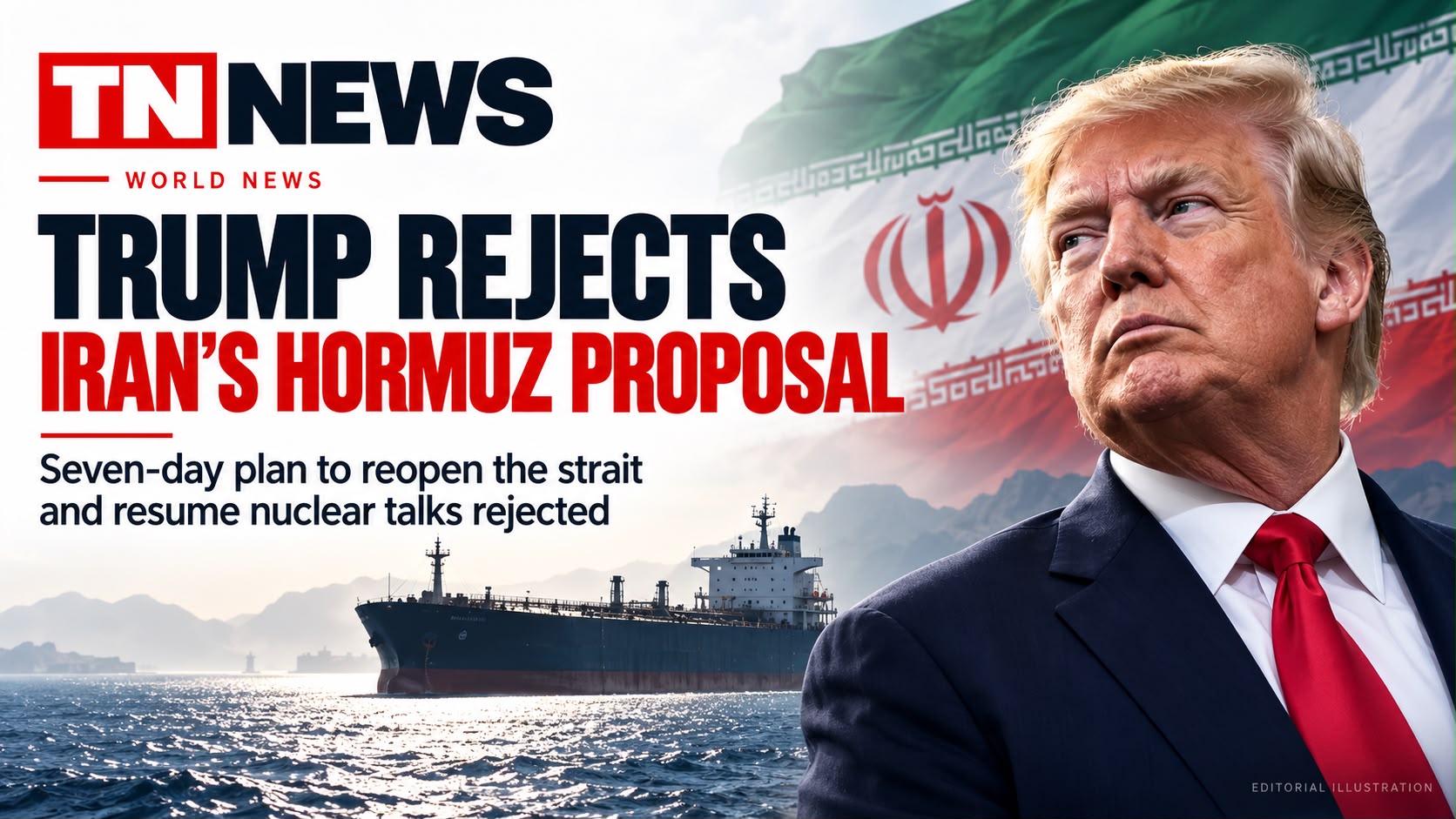
President Donald Trump rejected an Iranian proposal to reopen the Strait of Hormuz and resume nuclear negotiations within seven days, saying the proposed agreement was unacceptable.
Speaking outside the White House on Saturday, September 26, Trump indicated that he remained interested in reaching an agreement but opposed the terms presented by Tehran. “I’d like to make a deal, too. But that deal would not be acceptable,” he said, according to Associated Press reporting. (spectrumlocalnews.com)
Iran’s proposal linked reopening the waterway and restarting nuclear talks to several conditions: lifting the U.S. naval blockade of Iranian ports, waiving sanctions on Iranian oil sales, and observing a ceasefire that would also cover Lebanon.
Iranian Foreign Minister Abbas Araghchi outlined those conditions following indirect diplomatic exchanges during the United Nations gathering in New York. Iran’s leadership said it remained open to diplomacy. (spectrumlocalnews.com)
The rejection leaves the timing of any agreement unresolved. Shipping through the strait has fallen sharply amid Iranian threats and attacks, keeping safe passage through the waterway a central issue in negotiations. (spectrumlocalnews.com)
Source: The Associated Press, via Spectrum News.
News You Should See
2026 Nobel Medicine Prize Honors Scientists Behind Optogenetics Breakthrough
Oil Prices Edge Lower as Stronger Middle East Exports and G7 Reserves Ease Supply Concerns
Trump Offers U.S. Assistance to Russia After Death at Siberian Plague Research Institute
Trump Takes Economic Message to Nebraska as GOP Faces Rising Cost-of-Living Pressure
U.S. Appeals Court Weighs Trump Administration’s $2.6 Billion Harvard Funding Fight
U.S. Midterm Elections Begin With Resilient Jobs Market and Persistent Cost Pressures
Latest News
The 2026 Nobel Prize in Physiology or Medicine honors Karl Deisseroth, Peter Hegemann and Georg Nagel for pioneering research behind optogenetics and its impact on neuroscience.
Oil prices edged lower as stronger Middle Eastern exports and a planned G7 release of 100 million barrels eased immediate supply concerns, while Gulf security risks and the Strait of Hormuz kept markets alert.
President Donald Trump said the United States would help Russia if needed after a laboratory worker died at a Siberian plague research institute, as Russian authorities imposed precautionary quarantine measures.
Trump’s Nebraska campaign stop highlights rising fuel and grocery costs, beef prices and growing economic pressure on Republicans ahead of the November midterm elections.
A U.S. appeals court is reviewing the Trump administration’s effort to cut Harvard’s federal research funding, with more than $2.6 billion at stake.
The U.S. enters the 2026 midterm elections with unemployment at 4.2%, while higher living and energy costs create economic pressure for households and businesses.
US services growth eased in September as input prices climbed to their highest level since July 2022, with fuel costs, supply-chain disruptions and strong demand increasing pressure on businesses.
Rising Treasury yields are increasing U.S. borrowing costs as Washington manages record debt, persistent inflation and strong economic demand, narrowing its policy options.
A EGP 16 million corporate partnership will establish and equip a bone marrow transplant unit at Cairo’s Coptic Hospital, supporting access to specialized treatment for patients.