Trump Questions Campaign Strategy as Republicans Face Midterm Challenges
President Donald Trump is reportedly questioning campaign strategy, spending and candidate selection as Republicans confront a challenging political environment ahead of the November 2026 midterm elections, with control of Congress at stake.

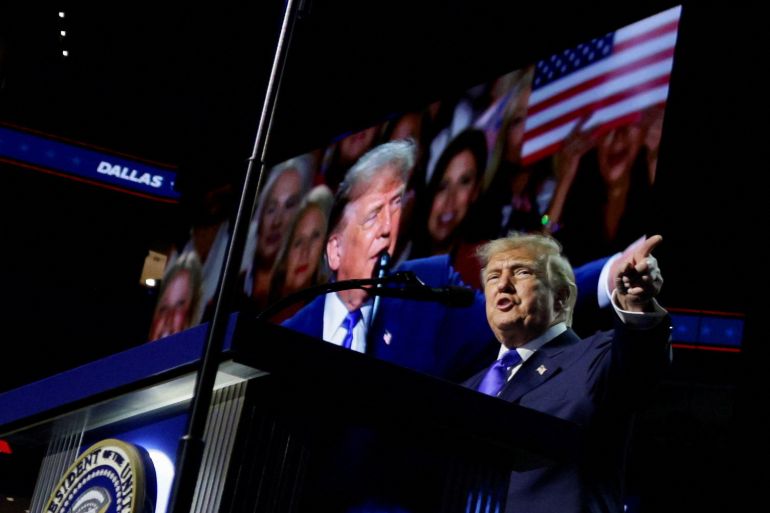
President Donald Trump is facing growing questions about the effectiveness of his political operation as Republicans prepare for the November 2026 midterm elections, with control of Congress at stake. Reported disagreements over campaign strategy, spending and candidate selection have placed the party’s electoral preparations under scrutiny at a time when economic concerns and public assessments of the administration could influence the outcome.
According to Reuters, Trump has expressed frustration with members of his political team over decisions affecting the Republican campaign. The reported tensions highlight a central challenge for the party: translating the president’s political influence into coordinated electoral efforts across congressional districts with different priorities and competitive conditions.
A Presidential Campaign Without a Presidential Candidate
Although Trump is not running in the midterm elections, he has encouraged supporters to view the contests as a referendum on his presidency. He has also sought to mobilize voters in support of Republican candidates, making his political standing an important factor in the party’s broader strategy.
This approach offers Republicans a recognizable national figure capable of energizing supporters and drawing attention to their campaign priorities. However, it also exposes congressional candidates to judgments about the administration’s performance, even when local races are shaped by issues specific to individual states and districts.
The challenge is to balance a unified national message with campaigns that respond to local voter concerns. Candidate selection, financial resources and the ability to communicate effectively can all influence competitiveness. Disagreements over these decisions may therefore carry consequences beyond internal party management if they affect campaign coordination or the use of available resources.
Internal Tensions Put Political Leadership Under Scrutiny
The reported disputes have drawn attention to senior figures involved in Trump's political operation, including White House Chief of Staff Susie Wiles and James Blair, who leads the political operation associated with MAGA Inc.
Their positions place them within a political network that connects the White House with the wider effort to support Republican candidates. Managing that network requires coordination between presidential priorities, campaign planning and the demands of individual electoral contests.
Differences over spending or strategy are not unusual in large political organizations. Their significance depends on whether they lead to better decisions or create obstacles to implementation. For Republicans, the key issue is whether internal disagreements can be resolved without undermining the coherence of the party’s campaign ahead of voting.
The reported tensions alone do not establish that the party's electoral operation is failing. They do, however, raise questions about accountability, the distribution of political resources and the criteria used to assess campaign performance.
Economic Concerns Shape the Political Environment
The campaign is unfolding against a backdrop of voter concerns about economic conditions and the cost of living. The administration's approach to international conflicts is another factor that may influence public perceptions of presidential leadership.
These issues create a difficult messaging challenge for Republicans. National political arguments must compete with the everyday financial pressures experienced by households, while candidates need to explain how their positions relate to the concerns of their constituents.
Democrats are seeking to capitalize on these concerns as they compete for congressional seats. Their success will depend on more than public dissatisfaction with the administration. They must also present credible alternatives, field competitive candidates and persuade voters to participate.
The balance between national political sentiment and local electoral dynamics will be particularly important. A shift in public opinion does not necessarily produce uniform results across congressional districts, where candidate quality, local issues and turnout can significantly affect the outcome.
Why Congressional Control Matters
The midterm elections will help determine how much legislative room Trump has during the remainder of his term. Congressional majorities influence the passage of legislation, negotiations over federal spending and the administration's ability to secure support for its policy priorities.
If Republicans retain a strong position in Congress, Trump could have greater opportunities to advance his agenda. If Democrats gain control of the House, the Senate or both, the administration could face more difficult negotiations and sustained opposition to parts of its program.
The consequences extend beyond party competition. Federal budget decisions, government funding and proposed policy changes depend on congressional support. The election could therefore influence the pace and scope of the administration’s legislative efforts, depending on the distribution of seats and the willingness of lawmakers to reach agreements.
For the White House, maintaining congressional support is not simply a matter of political prestige. It is a practical requirement for advancing policies through a system in which legislative approval remains essential.
The November Outcome Remains Open
The reported disagreements within Trump's political team provide insight into the pressures surrounding the Republican campaign, but they do not determine how voters will respond. The final outcome will depend on candidate performance, turnout, district-level concerns and developments in the weeks leading up to the election.
Trump's challenge is to convert his political influence into an effective campaign structure while ensuring that Republican candidates can address the issues most relevant to their constituencies. The party must also assess whether its national message can maintain support among its core voters while appealing to people whose priorities may differ.
Ultimately, the midterms will serve as a measure of the Republican Party's electoral organization and public confidence in the administration. The results will shape the balance of power in Congress and determine the political constraints under which Trump pursues his agenda for the remainder of his presidency.
News You Should See
P&G Raises Fiscal 2027 Cost Warning as Oil and Freight Expenses Threaten Profits
Chemical Tank Leak in Toledo Triggers Evacuations and Industrial Disruptions
Judge Sets December 11 Deadline for Trump Deposition in BBC Defamation Case
Iowa Senate Race Tests How Far Republicans Can Separate Themselves From Trump
California State Workers Strike Over Pay, Healthcare and Return-to-Office Rules
Streaming’s October Showdown: How Disney, Netflix and Major Entertainment Brands Compete for Audiences
Latest News
Procter & Gamble expects commodity, energy and transportation costs to reduce fiscal 2027 profit by $1.4 billion. Quarterly sales rose 4% to $23.28 billion, beating analyst expectations.
A ruptured chemical tank in Toledo, Ohio, prompted evacuations, school closures and an industrial shutdown. Authorities have reduced the restricted zone as the release slows and cleanup preparations continue.
A federal judge has ordered Donald Trump to give a deposition by December 11, 2026, in his $10 billion lawsuit against the BBC, with possible sanctions for noncompliance as the discovery deadline approaches.
Iowa’s 2026 Senate race pits Republican Ashley Hinson, balancing Trump support with economic concerns, against Democrat Josh Turek, who emphasizes bipartisanship amid rising campaign spending.
Thousands of California state workers struck on October 21 over a proposed three-year pay increase, healthcare costs and a four-day office attendance requirement as contract negotiations continued.
October 2026 brings major entertainment releases across Disney+, Netflix, HBO Max, Hulu, Prime Video and Peacock. Explore how familiar franchises, exclusive programming, new music and video games shape competition for streaming audiences.
Saudia advises travelers to book flights through Al Qassim Airport for Riyadh connections, offering free hourly shuttle buses in both directions until further notice.
An AP-NORC poll shows Democratic confidence in accurate vote counting falling to 55%, while Republican confidence rises to 38%, highlighting election integrity concerns ahead of the 2026 US midterms.
Donald Trump campaigns in North Carolina ahead of the November 2026 midterms as low approval ratings, rising fuel costs, Democratic early-voting gains and funding disparities challenge Republican efforts to retain control of Congress.