Trump Faces a Packed Diplomatic Agenda at the UN Amid Crises in Iran and Ukraine
The U.S. president is scheduled to meet leaders from four continents as conflicts, energy pressures and strategic alliances shape the UN General Assembly agenda.

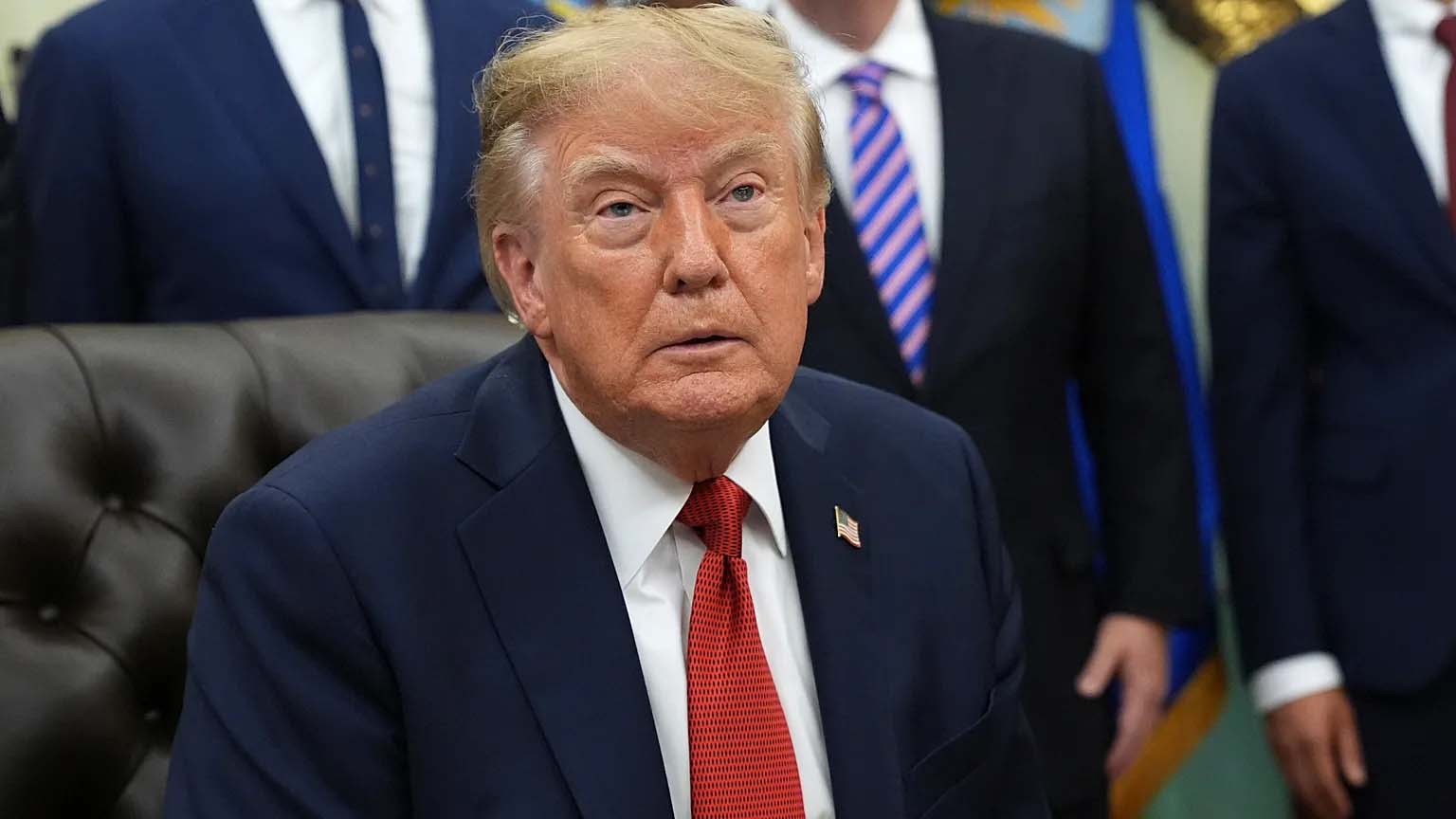
Donald Trump arrives at the United Nations General Assembly on September 22 with an unusually crowded diplomatic agenda, reflecting how conflicts, energy security and strategic alliances have become closely connected to the economic interests of the United States and its partners.
The U.S. president is scheduled to address delegates before holding at least 11 bilateral or group meetings with leaders from four continents. His programme includes talks with British Prime Minister Andy Burnham, Ukrainian President Volodymyr Zelenskiy, Venezuela’s interim leader Delcy Rodriguez, Danish Prime Minister Mette Frederiksen, Greenland Prime Minister Jens-Frederik Nielsen and representatives from the United Arab Emirates, Saudi Arabia, Oman, Bahrain, Kuwait and Qatar. Trump may also hold additional brief meetings at a leaders’ reception later in the day.
The scale of the schedule gives the UN gathering a broader role than a traditional sequence of diplomatic appearances. For Washington, the meetings provide an opportunity to address several issues that have direct implications for energy markets, trade routes, security spending and the investment environment while maintaining pressure on partners and rivals.
The war involving the United States and Israel and Iran is among the most economically consequential issues on the agenda. Reuters reported that the conflict has contributed to higher fuel prices globally, adding another layer of pressure to an international economy already dealing with geopolitical uncertainty. The issue is also expected to feature in Trump's discussions with Gulf leaders, whose countries are confronting security concerns linked to Houthi advances in Yemen and threats to shipping around the Bab el-Mandeb Strait.
For energy markets, the Gulf discussions are particularly significant. Any deterioration in security around major maritime routes can raise transportation costs and introduce additional risk into energy supply chains. That makes regional diplomacy relevant not only to governments but also to energy producers, shipping companies, insurers and industrial businesses that depend on predictable flows of commodities.
Ukraine represents another major component of Trump's diplomatic programme. His planned meeting with Zelenskiy comes as the war, now more than four years old, continues despite repeated U.S. efforts to promote mediation. Reuters reported separately that the two leaders are expected to discuss a possible moratorium on attacks against energy infrastructure, an issue with implications for Ukraine's ability to maintain its power system ahead of winter.
The focus on energy infrastructure illustrates how the Ukraine conflict has expanded beyond battlefield considerations. Electricity generation, fuel supplies and critical infrastructure have become strategic economic assets, meaning that any reduction in attacks could influence reconstruction requirements, investment decisions and the broader cost of supporting Ukraine.
Trump's meeting with Venezuela's Delcy Rodriguez adds an economic dimension of its own. According to Reuters, Trump administration allies say Washington is seeking to work with Rodriguez to open Venezuela's oil sector to U.S. investment, while critics in both parties argue that greater pressure should be applied for new elections.
If U.S. companies gain a larger role in Venezuela's energy industry, the consequences could extend to investment flows, oil production and the competitive position of energy companies in the Western Hemisphere. The issue also illustrates how foreign policy decisions can become closely linked to access to strategic natural resources.
Another meeting carries a different but equally strategic message. Trump is expected to sign an agreement with Denmark and Greenland aimed at increasing the U.S. military presence on the island while limiting the access of geopolitical rivals. Danish and Greenlandic officials hope the agreement will settle earlier tensions surrounding Trump's public interest in Greenland.
Greenland's importance extends beyond military considerations. Its geographic position gives it significance within the wider competition over Arctic security and access, making the island relevant to long-term strategic planning involving the United States, Europe and other major powers.
The meeting schedule also reinforces the importance of alliances during Trump's second term. Britain, Ukraine, Denmark, Greenland and the Gulf states represent different strategic relationships, yet they converge around common questions involving security, energy and international trade. The challenge for Washington is to manage these relationships while pursuing its own economic and geopolitical priorities.
The UN gathering is therefore becoming a meeting point for issues that increasingly overlap. Energy prices affect inflation and consumer costs; regional conflicts influence shipping and insurance; military commitments affect government spending; and diplomatic agreements can determine where companies are willing to deploy capital.
Against that backdrop, Trump's appearance at the General Assembly carries significance beyond his speech. The meetings offer an opportunity to shape negotiations on several fronts simultaneously, but their practical impact will depend on whether diplomatic discussions translate into changes in security conditions, energy flows, investment opportunities and international cooperation.
The White House agenda also comes as Trump's domestic political standing faces pressure. A Reuters/Ipsos poll reported on September 21 put his approval rating at 32%, an all-time low in that poll, with Republican respondents showing growing concern over his handling of the cost of living.
For businesses and markets, the immediate focus will remain on whether the diplomatic activity produces measurable changes in geopolitical risk. The UN meetings place Iran, Ukraine, Gulf security, Venezuela and Greenland in the same diplomatic frame, illustrating the increasingly interconnected nature of foreign policy, energy markets and economic strategy.
The outcome of these discussions may not be visible immediately, but agreements or shifts in position could influence investment decisions and market expectations well beyond the General Assembly itself.
News You Should See
2026 Nobel Medicine Prize Honors Scientists Behind Optogenetics Breakthrough
Oil Prices Edge Lower as Stronger Middle East Exports and G7 Reserves Ease Supply Concerns
Trump Offers U.S. Assistance to Russia After Death at Siberian Plague Research Institute
Trump Takes Economic Message to Nebraska as GOP Faces Rising Cost-of-Living Pressure
U.S. Appeals Court Weighs Trump Administration’s $2.6 Billion Harvard Funding Fight
U.S. Midterm Elections Begin With Resilient Jobs Market and Persistent Cost Pressures
Latest News
The 2026 Nobel Prize in Physiology or Medicine honors Karl Deisseroth, Peter Hegemann and Georg Nagel for pioneering research behind optogenetics and its impact on neuroscience.
Oil prices edged lower as stronger Middle Eastern exports and a planned G7 release of 100 million barrels eased immediate supply concerns, while Gulf security risks and the Strait of Hormuz kept markets alert.
President Donald Trump said the United States would help Russia if needed after a laboratory worker died at a Siberian plague research institute, as Russian authorities imposed precautionary quarantine measures.
Trump’s Nebraska campaign stop highlights rising fuel and grocery costs, beef prices and growing economic pressure on Republicans ahead of the November midterm elections.
A U.S. appeals court is reviewing the Trump administration’s effort to cut Harvard’s federal research funding, with more than $2.6 billion at stake.
The U.S. enters the 2026 midterm elections with unemployment at 4.2%, while higher living and energy costs create economic pressure for households and businesses.
US services growth eased in September as input prices climbed to their highest level since July 2022, with fuel costs, supply-chain disruptions and strong demand increasing pressure on businesses.
Rising Treasury yields are increasing U.S. borrowing costs as Washington manages record debt, persistent inflation and strong economic demand, narrowing its policy options.
A EGP 16 million corporate partnership will establish and equip a bone marrow transplant unit at Cairo’s Coptic Hospital, supporting access to specialized treatment for patients.