Trump Administration’s Denaturalisation Threats Spark Concerns Over Immigrant Rights and Civil Liberties
Legal experts warn of renewed targeting of naturalised citizens amid political retaliation fears

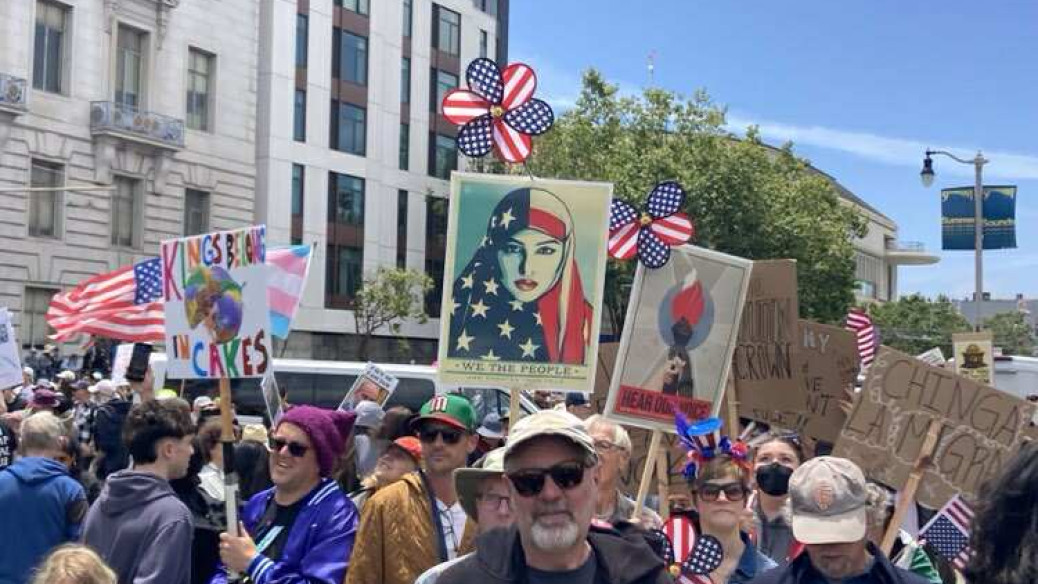
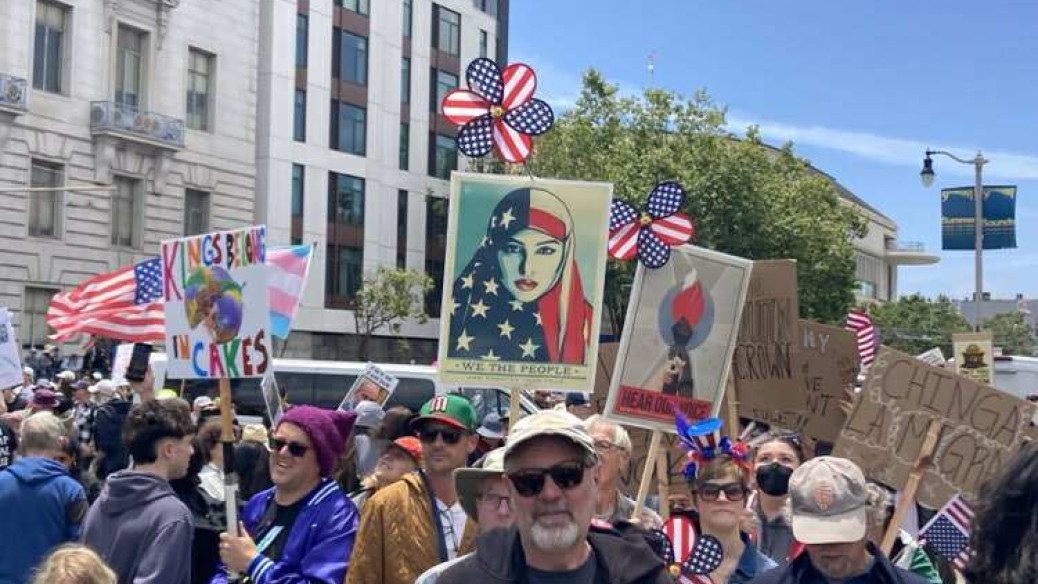
Trump Administration’s Denaturalisation Threats Raise Alarm Over Immigrant Rights
The Trump administration’s recent threats to denaturalise immigrants, including naturalised U.S. citizens, have stirred widespread concern over the future of immigrant rights and civil liberties in America. These threats surfaced following controversial remarks targeting figures such as billionaire Elon Musk and New York’s newly elected Democratic mayoral candidate Zohran Mamdani.
Denaturalisation is the legal process of revoking U.S. citizenship, typically involving court proceedings where the individual can contest the loss. Historically, this process has disproportionately affected ethnic minorities and political dissidents, and legal experts warn that the current political climate under Trump’s second administration is reviving this troubling trend.
Far-right commentators and political figures have called for Mamdani to lose his citizenship. Among them are pundit Charlie Kirk, the New York Young Republican Club—which invoked the 1954 Communist Control Act—and Representative Andy Ogles, who used inflammatory language in calling for Mamdani’s deportation. “Border czar” Tom Homan also echoed concerns, warning that sanctuary cities like New York are vulnerable to ICE raids.
Previously, Trump declared intentions to deport “home-grown” immigrants—naturalised citizens who have lived in the U.S. for decades—indicating a shift towards targeting individuals irrespective of their lawful citizenship status.
How Common Is Denaturalisation?
Denaturalisation has been a rare legal action since the 1960s, following Supreme Court rulings that fortified citizenship rights for immigrants. The landmark 1967 case Afroyim v. Rusk ruled that citizenship cannot be revoked except in cases of fraud or intentional misrepresentation during the naturalisation process.
Historically, over 22,000 Americans, predominantly ethnic minorities such as South Asians, were denaturalised before 1967. Since then, fewer than 150 cases have occurred, primarily involving fraud such as lying about terrorist affiliations or asylum status.
Under Trump, however, the Department of Homeland Security has expanded denaturalisation investigations to include civil offences and employs technology such as algorithms to identify targets. This shift has sparked fears that the administration is weaponizing citizenship laws for political retaliation, particularly against activists and minority groups.
Concerns for Civil Rights and Freedom
Legal experts caution that the increased use of denaturalisation, deportation, and detention threatens basic freedoms and fosters an environment of fear. Professor Lucas Guttentag of Stanford University emphasizes the chilling effect of government pronouncements, which may intimidate people from exercising lawful rights such as free speech and political participation.
“While courts have struck down illegal actions, the administration’s threats have a real impact on communities,” Guttentag explained. Advocates urge naturalised citizens and immigrants to stay informed about their rights amid the heightened crackdown.
News You Should See
Queens Celebrates Arts, Music and Family Activities with Diverse Weekend Events
Hollywood Faces New AI Debate as Startup Explores Selling Digital Versions of Human Faces
Arsenal Face Goalkeeping Concerns After David Raya Injury
European Leaders Urge New Iran Policy, Back Democratic Opposition and Reject Monarchy
Bayonne Mayor Sharon Ashe-Nadrowski Joins Thanksgiving Turkey Drive, Praises Community Organizations and Invites Residents to Attend
Seattle Communities Celebrate Holiday Season with Local Markets and Cultural Activities
Latest News
Queens hosts a weekend of cultural events featuring artisan markets, children's classical music activities, documentary screenings, gardening workshops and theater.
A microdrama startup explores selling AI-generated digital faces, raising concerns about consent, ownership, compensation, and the future of Hollywood performers.
Arsenal draw 2-2 with Newcastle as goalkeeper David Raya suffers an injury, raising concerns for Mikel Arteta ahead of upcoming Premier League fixtures.
Former European leaders and parliamentarians call for a new Western policy toward Iran, supporting an Iranian-led democratic transition and stronger human rights measures while rejecting a return to monarchy.
Bayonne Mayor Sharon Ashe-Nadrowski joins a Thanksgiving turkey drive with local organizations, police officers, and volunteers to support families.
Explore holiday markets, handmade gifts, live music, and cultural events in Shoreline and Lake Forest Park, Washington, on November 22.
Nvidia faces contrasting industry expectations as AI demand grows, with its financial performance and leadership shaping the future of computing.
Signal introduces mobile screenshot restrictions on Android and iOS as concerns grow over AI-powered surveillance and digital privacy.
AI agents are transforming messaging platforms by helping users organize daily activities, plan travel, manage work, and complete everyday tasks.