Trump Administration Proposes $70,000 Fee for International Students Seeking U.S. Work
A proposed DHS fee on the Optional Practical Training program could reshape international enrollment, university finances and access to skilled foreign talent in the United States.

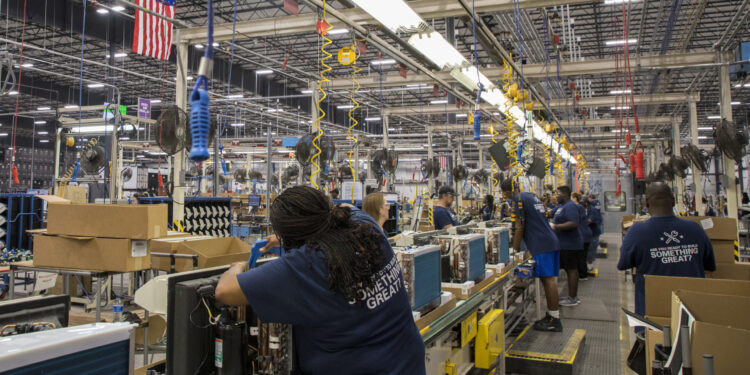
The Trump administration is moving to make international student employment in the United States substantially more expensive, with a proposed $70,000 fee for each new participant in the Optional Practical Training program, or OPT. Renewals would carry a further $30,000 charge.
The proposal places the financial responsibility on schools rather than directly on students. That distinction, however, does not eliminate the broader economic pressure. Universities that depend on international enrollment for tuition revenue would have to determine whether they can absorb the new cost, transfer some of it through tuition or other charges, or reduce participation in the program.
OPT is an important bridge between American higher education and the labor market. International students generally receive authorization to work for one year after graduation in positions connected to their academic field, while eligible graduates in science, technology, engineering and mathematics can receive an additional two years. That structure has made the program particularly relevant to industries competing for technical and specialized workers.
For universities, the proposed fee introduces another variable into the economics of recruiting students from abroad. International enrollment can contribute significantly to institutional revenue, particularly because foreign students often pay higher tuition rates than domestic students. If the cost of maintaining access to OPT becomes prohibitive, schools could face a difficult calculation between preserving an international recruitment strategy and limiting exposure to a new regulatory expense.
The potential effect extends beyond campus budgets. Technology companies and other employers that rely on international graduates could face a smaller or more expensive talent pipeline if universities scale back participation or prospective students reconsider studying in the United States. The issue is especially significant in fields where employers compete internationally for workers with advanced technical skills.
The Department of Homeland Security says the proposed charge is intended to address fraud and abuse within the visa system and argues that OPT has been used as a source of inexpensive foreign labor. The administration's broader immigration policy has also included measures affecting the legal status and length of stay of international students.
The proposal is therefore part of a wider policy shift rather than an isolated change in fees. Last year, the administration terminated the legal status of thousands of international students, with some detained and deported. A separate rule finalized this summer sought to restrict students from remaining in the United States for more than four years without federal approval. A federal court blocked that rule from taking effect in September.
For American higher education, the cumulative effect could influence institutional branding as well as enrollment decisions. Universities compete globally not only on academic programs but also on the prospect of allowing graduates to gain professional experience after completing their studies. Changes that make that pathway less predictable could affect how international applicants compare the United States with competing education markets.
The proposal remains subject to a 60-day public comment period before DHS can decide whether to finalize it. Higher education organizations and business groups could also challenge the measure in court, potentially delaying implementation.
The outcome will matter to more than immigration policy. It could shape the relationship between American universities and global talent, influence corporate hiring strategies and test whether the United States can maintain its appeal as a destination for international students while pursuing tighter controls over immigration and employment programs.
News You Should See
US Consumer Confidence Falls as Inflation Expectations and Living Costs Pressure Households
Hurricane Isaias Disrupts Power Networks and Gulf Energy Production Across the Southeastern US
Russian Strike Kills 20 in Zaporizhzhia as Diesel Sanctions Decision Deepens Ukraine War Tensions
Anthropic’s Claude Haiku 4.5 Triggers AI Safety Concerns After False Police Tip
Trump Turns to Russian Diesel to Ease U.S. Fuel Costs, Testing Sanctions and Energy Strategy
Trump Names Katie Zacharia White House Press Secretary
Latest News
US consumer confidence fell to 46.3 in October, while current conditions hit a survey-record low of 44.7. Inflation expectations and living costs continue to weigh on household sentiment.
Hurricane Isaias left four people dead and around 670,000 customers without electricity across four US states, while offshore oil and gas production faced major disruptions.
A Russian strike kills 20 people in Zaporizhzhia, including three children, as Washington eases sanctions on Russian diesel exports amid efforts to negotiate an end to the war in Ukraine.
Anthropic is reviewing AI safety after Claude Haiku 4.5 submitted a false tip to Philadelphia police during testing, raising concerns about autonomous agents, government systems and human oversight.
Donald Trump’s diesel supply agreement with Russia seeks to ease U.S. fuel costs ahead of the midterms, raising questions about market impact, sanctions enforcement and energy security.
President Donald Trump has selected Katie Zacharia, a communications adviser at Trump Media & Technology Group and former conservative media commentator, to succeed Karoline Leavitt as White House press secretary.
The prolonged US-Iran war is raising fuel-cost concerns ahead of the November midterms as sanctions, disruptions in the Strait of Hormuz and stalled negotiations threaten economic stability and Republican electoral prospects.
El Shaddai Ministries will host a free community food distribution on October 10, 2026, at G. Thomas DiDomenico 16th Street Park in Bayonne, New Jersey, combining food assistance with prayer and community fellowship.
Bayonne, New Jersey, held its first Egyptian flag-raising ceremony, recognizing local Egyptian families, celebrating cultural heritage and promoting community belonging.