The Security Implications of Sudan's Prolonged Civil War
Sudan’s ongoing civil war has far-reaching implications for regional and international security. As the conflict drags on, it exacerbates existing tensions within

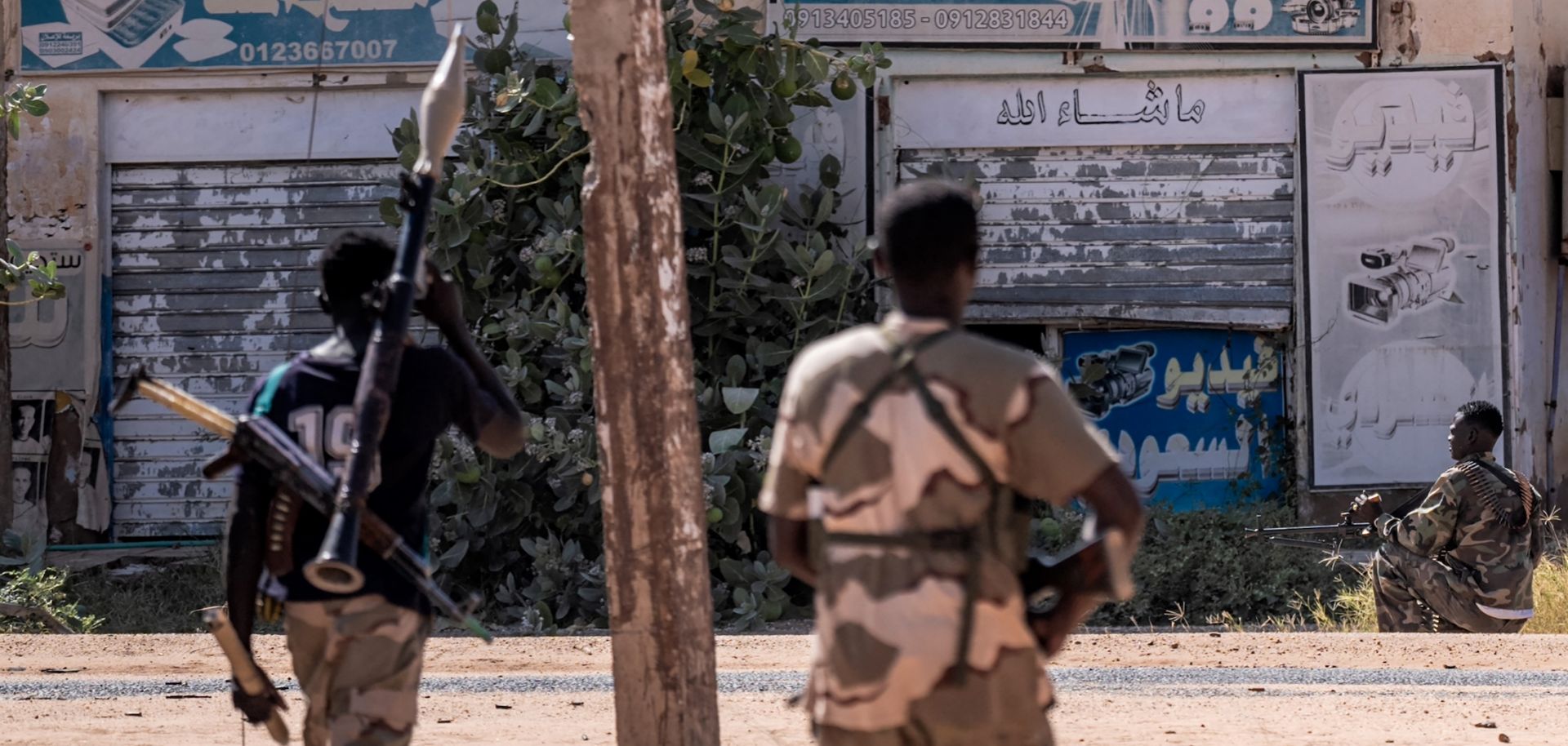
Sudan’s ongoing civil war has far-reaching implications for regional and international security. As the conflict drags on, it exacerbates existing tensions within the Horn of Africa, destabilizes neighboring countries, and creates fertile ground for extremism, human trafficking, and humanitarian crises that ripple far beyond Sudan’s borders.
Regional Destabilization
Sudan’s strategic location makes its instability a pressing concern for its neighbors. The conflict has already displaced millions, with refugees fleeing to countries such as Chad, South Sudan, and Egypt. These movements strain the resources of host countries, heightening social and economic tensions. In addition, cross-border skirmishes and arms smuggling threaten to draw neighboring states into the conflict, further destabilizing an already volatile region.
Ethiopia, grappling with its own internal challenges, faces added pressure along its border with Sudan. Similarly, South Sudan risks being engulfed in renewed violence due to its historical ties to Sudan and its own fragile statehood. Chad, too, has experienced the impact of refugee flows and potential spillover violence, making Sudan’s civil war a destabilizing force for the entire region.
Rise of Extremism and Militant Groups
Sudan’s prolonged instability provides fertile ground for extremist groups seeking to exploit weakened state control. As the government’s focus remains on internal fighting, ungoverned spaces become safe havens for armed groups and transnational criminal networks. This environment increases the risk of terrorism, with militant organizations potentially using Sudan as a base to expand their operations across the Sahel and Horn of Africa.
The breakdown of law and order also facilitates human trafficking and illicit trade, fueling regional insecurity and undermining governance in neighboring states. The proliferation of small arms and light weapons from the conflict further amplifies these threats, making it harder for regional governments to maintain control over their territories.
Humanitarian Crisis and Global Repercussions
The civil war in Sudan has triggered one of the worst humanitarian crises in the world. With millions displaced and basic services collapsing, the human toll continues to rise. This crisis poses significant security challenges, as desperate populations become more vulnerable to exploitation by armed groups and criminal organizations.
The international community is also grappling with the spillover effects of Sudan’s conflict. European nations, in particular, are concerned about increased migration flows as Sudanese refugees seek safety abroad. This adds pressure to already strained asylum systems and fuels political debates over migration policies in host countries.
International Responses and Challenges
Efforts by the international community to mediate the conflict have been met with limited success. While the African Union, United Nations, and regional actors have called for ceasefires and dialogue, the deeply entrenched divisions between warring factions make meaningful progress elusive. The lack of a unified approach among global powers further complicates these efforts, as competing interests hinder coordinated action.
Sanctions and arms embargoes, while intended to pressure the conflicting parties, have had mixed results. Without robust enforcement mechanisms, such measures often fail to curb the flow of weapons and resources fueling the conflict. Meanwhile, humanitarian aid agencies face immense challenges in accessing affected areas, leaving millions without critical assistance.
The Way Forward
Addressing the security implications of Sudan’s civil war requires a multifaceted approach. Regional and international actors must prioritize inclusive dialogue among Sudanese factions while strengthening mechanisms to prevent the conflict’s spillover into neighboring states. Enhanced border security, counter-trafficking initiatives, and arms control measures are crucial to mitigating the broader impacts of the war.
Additionally, sustained humanitarian support is essential to alleviate the suffering of affected populations and reduce vulnerabilities that extremist groups may exploit. The international community must act with urgency to prevent Sudan’s crisis from spiraling further, recognizing that its security implications extend far beyond its borders.
As Sudan’s civil war continues, its resolution will be pivotal not only for the nation’s future but also for the stability of the entire region and the security of the global community.
News You Should See
Never Stop Making Du’a: Allah’s Door Is Never Closed
P&G Raises Fiscal 2027 Cost Warning as Oil and Freight Expenses Threaten Profits
Chemical Tank Leak in Toledo Triggers Evacuations and Industrial Disruptions
Judge Sets December 11 Deadline for Trump Deposition in BBC Defamation Case
Iowa Senate Race Tests How Far Republicans Can Separate Themselves From Trump
California State Workers Strike Over Pay, Healthcare and Return-to-Office Rules
Latest News
Mohamed Amen’s Friday khutbah explores persistent du’a, patience during uncertainty, emotional resilience, and the importance of trusting Allah while pursuing practical solutions.
Procter & Gamble expects commodity, energy and transportation costs to reduce fiscal 2027 profit by $1.4 billion. Quarterly sales rose 4% to $23.28 billion, beating analyst expectations.
A ruptured chemical tank in Toledo, Ohio, prompted evacuations, school closures and an industrial shutdown. Authorities have reduced the restricted zone as the release slows and cleanup preparations continue.
A federal judge has ordered Donald Trump to give a deposition by December 11, 2026, in his $10 billion lawsuit against the BBC, with possible sanctions for noncompliance as the discovery deadline approaches.
Iowa’s 2026 Senate race pits Republican Ashley Hinson, balancing Trump support with economic concerns, against Democrat Josh Turek, who emphasizes bipartisanship amid rising campaign spending.
Thousands of California state workers struck on October 21 over a proposed three-year pay increase, healthcare costs and a four-day office attendance requirement as contract negotiations continued.
October 2026 brings major entertainment releases across Disney+, Netflix, HBO Max, Hulu, Prime Video and Peacock. Explore how familiar franchises, exclusive programming, new music and video games shape competition for streaming audiences.
Saudia advises travelers to book flights through Al Qassim Airport for Riyadh connections, offering free hourly shuttle buses in both directions until further notice.
An AP-NORC poll shows Democratic confidence in accurate vote counting falling to 55%, while Republican confidence rises to 38%, highlighting election integrity concerns ahead of the 2026 US midterms.